

SCAR REVISION SURGERY
what is scar revision surgery
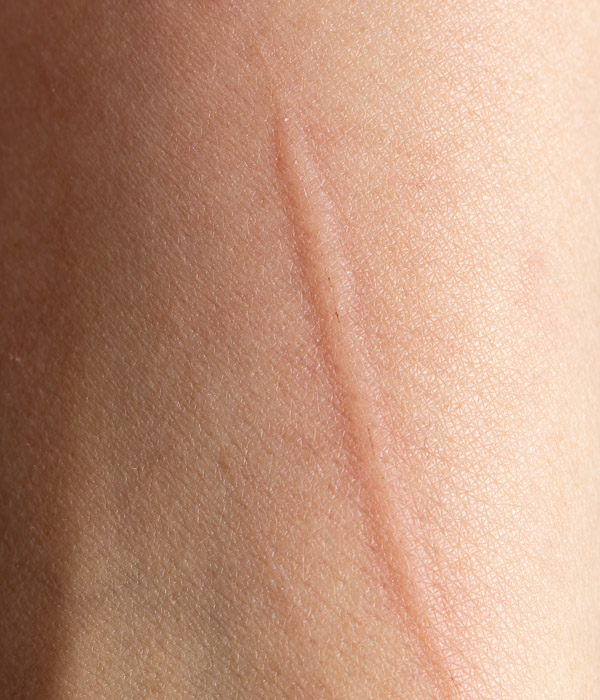
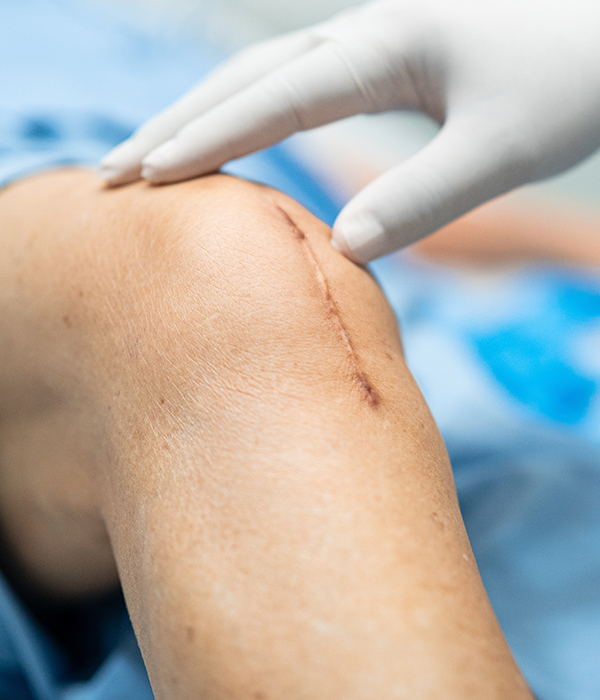
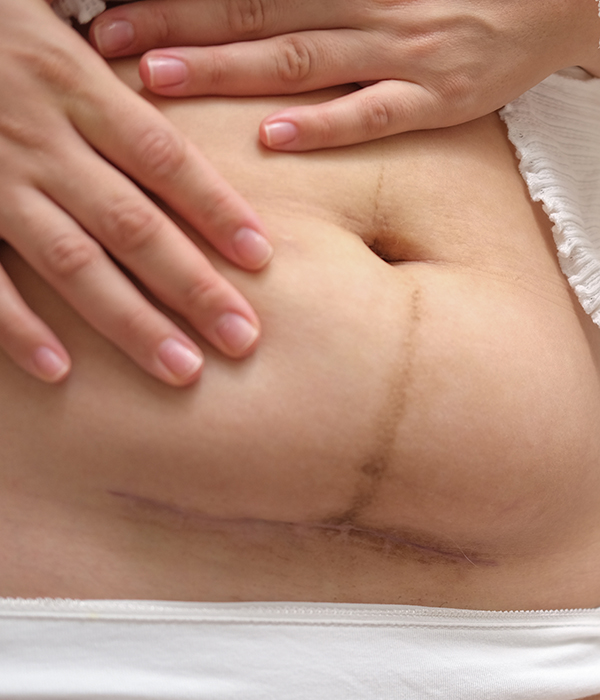
Scar revision surgery is a procedure that aims to improve the appearance or characteristics of a scar.
Scars form as part of the body’s natural healing process following injury, surgery, or skin conditions. While scars cannot be completely removed, their appearance may be
adjusted to make them less noticeable or to improve function, depending on their location and type.
Concerns about scars vary between individuals and may relate to visibility, texture, thickness, or restriction of movement.
about the procedure
Scar revision is tailored to the individual and depends on factors such as the type, size, location, and maturity of the scar, as well as skin type and overall health.
A range of techniques may be considered. These can include non-surgical options such as dressings or injectable treatments, as well as surgical approaches like excision (removal) and re-closure of the scar.
The most appropriate method is determined during a consultation, where your practitioner will assess the scar and discuss suitable options.
A thorough consultation is required prior to treatment. This includes reviewing medical history, identifying any factors that may affect healing, and discussing realistic expectations. A cooling off period is observed before proceeding.
who is suitable?
Scar revision surgery may be considered by people who have concerns about the appearance, texture, thickness, or function of a scar. Suitability depends on a range of factors, including the type and maturity of the scar, skin quality, location of the scar, medical history, previous treatments or surgery, healing tendencies, and individual goals.
A person may consider scar revision surgery if they:
- Have a scar that they feel is noticeable or concerning
- Experience discomfort, tightness, or functional limitation related to a scar
- Have a mature scar that has completed an initial healing period
- Are seeking assessment for cosmetic or functional concerns related to scarring
- Have realistic expectations about what treatment may and may not achieve
- Are in generally good health and able to undergo treatment and recovery
- Understand the potential risks, limitations, and recovery involved
Scar revision surgery is not suitable for everyone. A consultation with an appropriately qualified health practitioner is required to assess your individual circumstances, discuss alternative options, and determine whether treatment is appropriate.
RECOVERY
Recovery following scar revision surgery varies between individuals. In general:
- Dressings or wound coverings may be applied after treatment
- Swelling, redness, bruising, or discomfort are common in the early recovery period
- Some patients may require time away from work, study, or normal activities, depending on the extent of treatment
- Strenuous activity may be avoided for a period advised by your practitioner
- Scar healing and maturation can continue over several months, with subtle changes occurring over time
- Sun protection and wound care are important during the healing process
- Follow-up appointments are important to monitor healing and scar progression
Following post-operative instructions carefully can help support recovery and reduce the risk of complications.
RISKS
As with any surgical or invasive procedure, scar revision surgery carries potential risks. These may include, but are not limited to:
- Infection, bleeding, or haematoma
- Scarring, swelling, bruising, or redness
- Changes in skin sensation or pigmentation
- Poor wound healing
- Recurrence, widening, or worsening of the scar
- Development of hypertrophic or keloid scarring
- Asymmetry or contour irregularities
- Dissatisfaction with the outcome
- Adverse reaction to anaesthesia or treatment materials
- Need for further treatment or revision procedures
Your surgeon will discuss the risks, benefits, alternatives, and recovery process with you during your consultation.

Individual Assessment
Every patient requires a personalised consultation to determine appropriate treatment planning.
Any surgical or invasive procedure carries risks. Before proceeding, you should seek a second opinion from an appropriately qualified health practitioner.
For more detailed information about potential risks, recovery and post operative care, please visit rhinoplastysydney.com.au/disclaimer/