

Ear Surgery (ENT)
what is Ear Surgery (ENT)
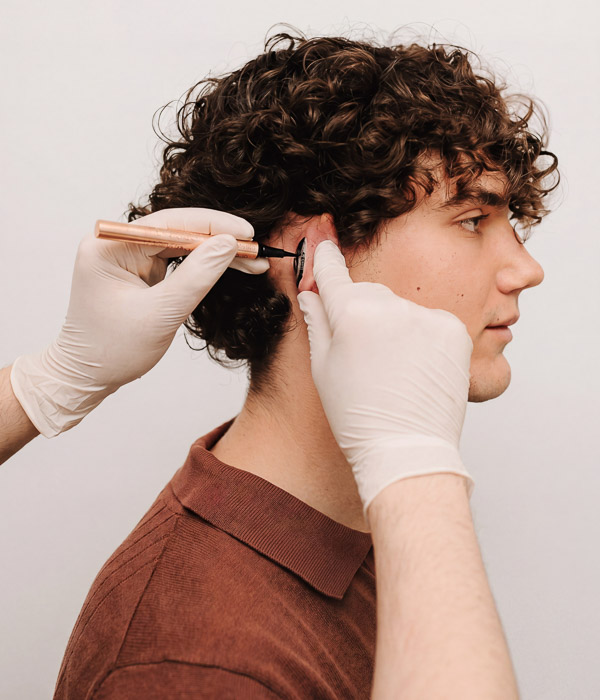
Ear surgery refers to a range of surgical procedures used to treat diseases, injuries, deformities, and conditions affecting the ear. Depending on the nature and severity of the condition, procedures may be performed on the outer ear, ear canal, eardrum, middle ear, inner ear, or the auditory and vestibular systems, and may include Tympanoplasty, Myringotomy, Cochlear implant surgery, Mastoidectomy, tumour removal, or repair of congenital deformities such as microtia and atresia.
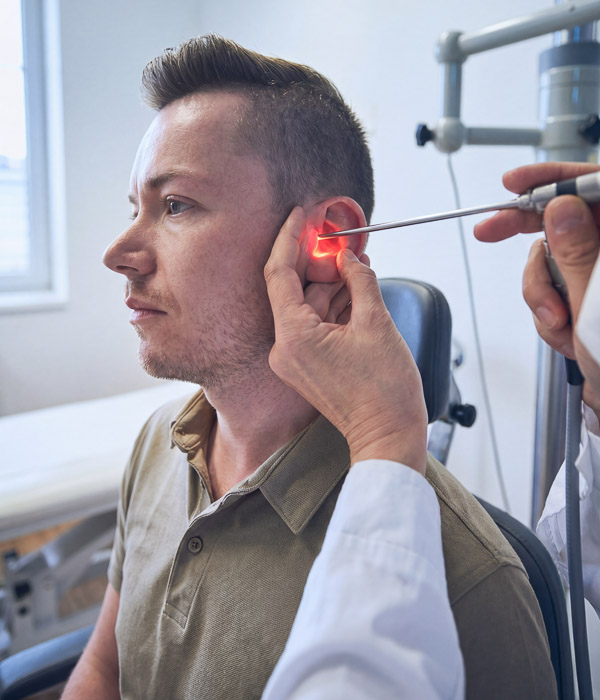
Most ear surgery is performed using microsurgical techniques with the aid of an operating microscope, allowing the surgeon to work with the small and delicate structures of the ear. Minimally invasive laser surgery is increasingly used for middle ear procedures, improving precision and reducing trauma while allowing access to areas that are otherwise difficult to reach.
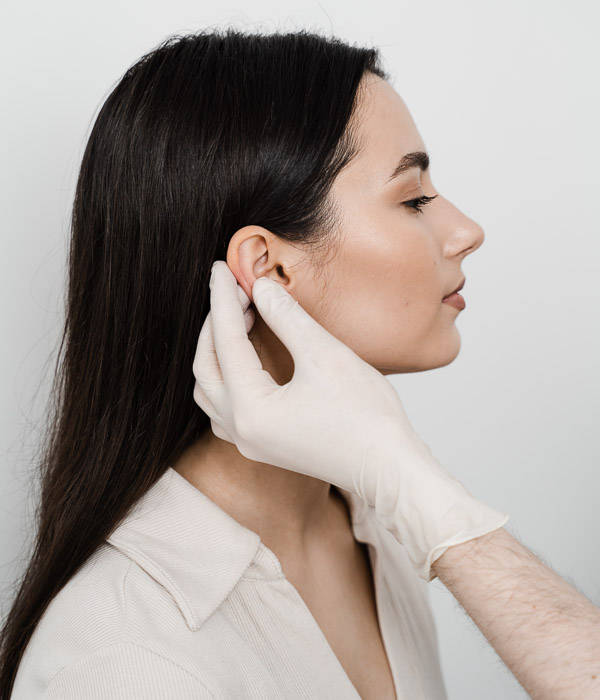
Because ear conditions can significantly affect hearing and quality of life, a detailed consultation is important. During this consultation, your surgeon can discuss your concerns, assess whether surgery is appropriate, explain the available treatment options suited to your individual condition, and outline the potential risks and limitations involved in your care.
about the procedure
Ear surgery encompasses a range of surgical procedures to treat conditions affecting the ear, including hearing loss, chronic infections, eardrum perforations, congenital defects, and tumours. Available procedures include Tympanoplasty, Grommets (Myringotomy & Ear Tubes), Perforated Eardrum Repair, Cochlear Implant Surgery, Tumour Removal, Mastoidectomy, and Congenital Ear Defect Repair (Microtia/Atresia). The most appropriate procedure is determined following thorough clinical assessment. Results vary between individuals.
who is suitable?
Tympanoplasty may be considered for individuals who have experienced conductive hearing loss, chronic or recurrent middle ear infections, or an eardrum perforation that has not healed on its own. It may also be suitable for patients whose eardrum has been damaged as a result of trauma, repeated ear infections, or a previously inserted ear tube (grommet).
Suitability is assessed on an individual basis following a thorough consultation and clinical examination. This includes a review of the patient’s medical history, a physical examination of the ear, and a hearing assessment where appropriate. The size and location of the perforation, the condition of the middle ear, and the patient’s general health are all taken into account.
At least two consultations are carried out before any surgical decision is made, giving the patient time to consider their options and ask any questions. Individual circumstances and outcomes vary between patients.
RECOVERY
Recovery from ear surgery varies depending on the specific procedure performed. General aftercare guidelines include:
• The ear should be kept dry and warm post operatively
• Oral pain relief and antibiotics may be prescribed as directed
• Avoid water entering the ear canal during the recovery period
• Avoid strenuous activity as directed by your surgeon
• Ongoing follow up appointments are important to monitor healing and outcomes
• Individual recovery timelines vary between patients
Your treating doctor will provide specific post operative instructions tailored to your individual circumstances prior to your procedure.
RISKS
As with any surgical procedure, ear surgery carries potential risks. These may include, but are not limited to:
• Pain, bleeding, or infection
• Swelling or bruising
• Changes in hearing
• Tinnitus (ringing in the ear)
• Effects on the facial nerve or nerve of taste (rare)
• Incomplete hearing restoration
• Adverse reaction to anaesthesia
• Need for further or staged procedures
Your treating doctor will discuss the risks, benefits, alternatives, and recovery process with you in detail during your consultation.

Individual Assessment
Every patient requires a personalised consultation to determine appropriate treatment planning.

Any surgical or invasive procedure carries risks. Before proceeding, you should seek a second opinion from an appropriately qualified health practitioner.
For more detailed information about potential risks, recovery and post operative care, please visit rhinoplastysydney.com.au/disclaimer/