



CHIN SURGERY
what is chin surgery
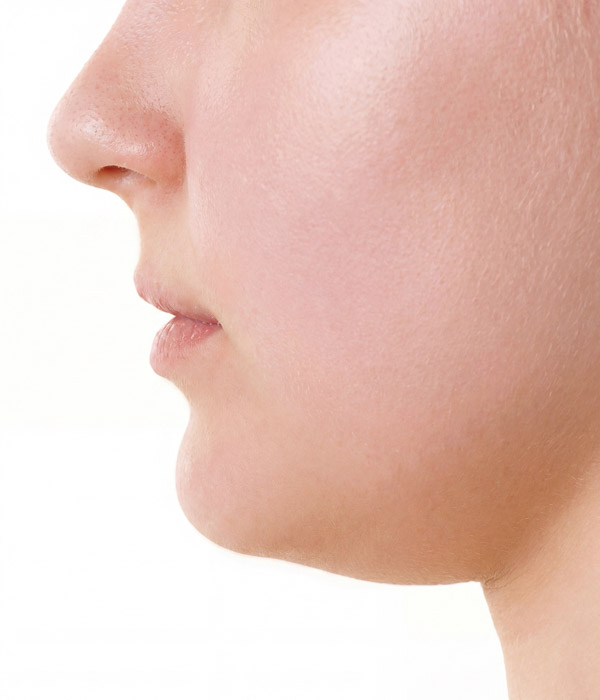
Chin surgery, also known as genioplasty, is a procedure that adjusts the size, shape, or projection of the chin.
The chin plays a role in overall facial proportion and balance. Differences in chin projection or shape may influence how other facial features, such as the nose and
jawline, appear in relation to one another.
Genioplasty may involve either increasing chin projection (augmentation) or reducing its size (reduction), depending on the individual’s anatomy and concerns.
about the procedure
Chin surgery is performed as a tailored procedure and may involve augmentation or reduction.
Chin augmentation may be performed using an implant or by repositioning existing bone. Implants are typically placed either through an incision inside the mouth (transoral approach) or via a small incision under the chin. A range of implant sizes may be assessed during the procedure to determine a suitable fit for the individual.
Chin reduction involves reshaping or reducing the bone and surrounding tissue to adjust projection, height, or width. This may also be performed through a transoral or external approach.
During surgery, care is taken to identify and preserve nearby nerves, including those that supply sensation to the lower lip and chin.
A thorough consultation is required prior to surgery. This includes discussing your concerns, reviewing your medical history, and determining suitability for the procedure. A cooling off period is observed before proceeding.
Non-surgical treatments may also be discussed as alternative options, depending on your goals.
who is suitable?
Chin surgery may be considered by people who have concerns about the size, shape, projection, or proportion of their chin. Suitability depends on a range of factors, including facial anatomy, jaw structure, skin quality, medical history, previous facial trauma or surgery, and individual goals.
A person may consider chin surgery if they:
- Feel their chin is recessed, prominent, asymmetrical, or disproportionate to other facial features
- Are seeking changes to facial balance, profile, or jawline definition
- Have concerns about chin shape, width, height, or projection
- Are seeking assessment for cosmetic or reconstructive concerns involving the chin area
- Have realistic expectations about what surgery may and may not achieve
- Are in good general health and able to undergo surgery and recovery
- Understand the potential risks, limitations, and recovery involved
Chin surgery is not suitable for everyone. A consultation with an appropriately qualified health practitioner is required to assess your individual circumstances, discuss alternative options, and determine whether surgery is appropriate.
RECOVERY
Recovery following chin surgery varies between individuals. In general:
- Dressings or supportive bandages may be applied after surgery
- Swelling, bruising, and temporary discomfort are common in the early recovery period
- Some patients may require time away from work, study, or normal activities
- Dietary modifications and specific oral hygiene instructions may be recommended, particularly if a transoral approach is used
- Strenuous activity is usually avoided for a period advised by your surgeon
- Swelling can take several weeks to months to improve, and subtle changes may continue for longer
- Follow-up appointments are important to monitor healing and recovery
Following post-operative instructions carefully can help support recovery and reduce the risk of complications.
RISKS
As with any surgical procedure, chin surgery carries potential risks. These may include, but are not limited to:
- Infection, bleeding, or haematoma
- Scarring, swelling, or bruising
- Changes in skin sensation, including numbness of the chin or lower lip
- Asymmetry or contour irregularities
- Implant-related complications, such as movement or visibility (if implants are used)
- Poor wound healing
- Dissatisfaction with the outcome
- Adverse reaction to anaesthesia
- Need for further procedures or revision surgery
These risks will be discussed in detail during your consultation. Outcomes vary between individuals, and no specific result can be guaranteed
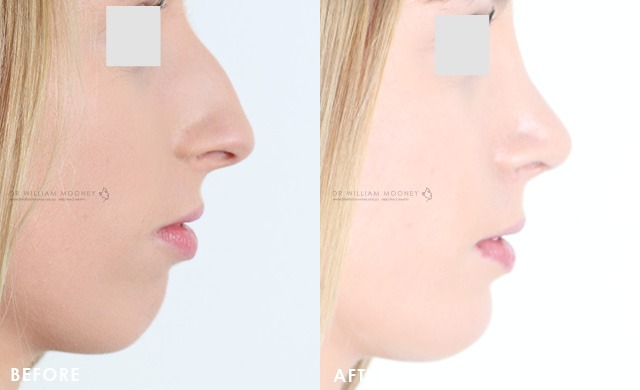
BEFORE & AFTER
IMPORTANT INFORMATION

Individual Assessment
Every patient requires a personalised consultation to determine appropriate treatment planning.
Any surgical or invasive procedure carries risks. Before proceeding, you should seek a second opinion from an appropriately qualified health practitioner.
For more detailed information about potential risks, recovery and post operative care, please visit rhinoplastysydney.com.au/disclaimer/