

RHINOPLASTY
what is rhinoplasty
Rhinoplasty is a surgical procedure that may be performed for cosmetic, functional, or combined reasons. It can involve altering the structure of the nose to address concerns such as shape, size, symmetry, nasal obstruction, or previous injury.
The nose has both aesthetic and functional roles. For this reason, rhinoplasty requires careful assessment of the nasal bones, cartilage, skin, airway, and overall facial balance. The procedure may involve reducing, reshaping, refining, or supporting different parts of the nose, depending on the individual’s anatomy and goals.
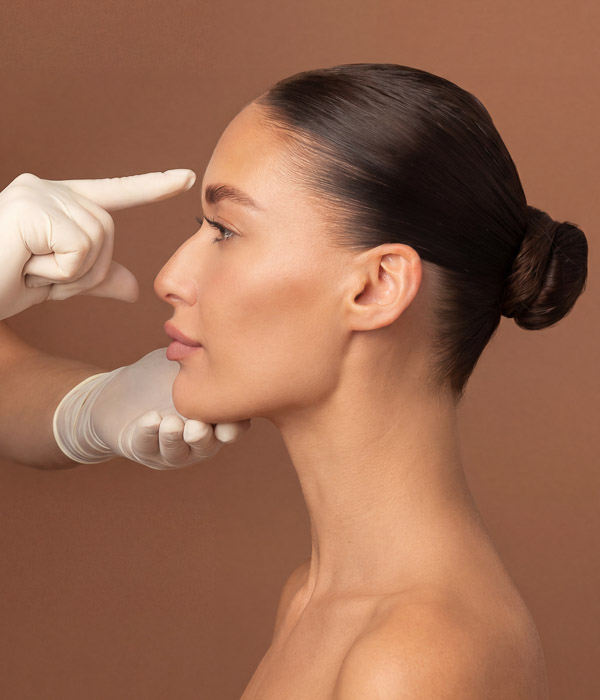
Because rhinoplasty can affect both appearance and breathing, a detailed consultation is important. During this consultation, your surgeon can discuss your concerns, assess whether surgery is appropriate, explain the available options, and outline the potential risks and limitations.
about the procedure
Rhinoplasty is usually performed under general anaesthesia. The exact technique used will depend on the individual’s anatomy, concerns, and surgical plan.
In some cases, an open rhinoplasty approach may be recommended. This involves a small incision between the nostrils, allowing the surgeon to access the underlying bone and cartilage. In other cases, incisions may be placed inside the nostrils. Your surgeon will explain which approach is suitable for you.
During surgery, the nasal bones and cartilage may be reshaped or repositioned to address the agreed treatment plan. Where functional concerns are present, such as nasal airway obstruction, these may also be assessed and managed as part of the procedure where appropriate.
Rhinoplasty outcomes vary between individuals. Factors such as anatomy, skin thickness, healing response, previous surgery, trauma, and post-operative care can influence the final result.
Before proceeding with any surgical procedure, you should consider seeking a second opinion from an appropriately qualified health practitioner.
who is suitable?
Rhinoplasty may be considered by people who have concerns about the appearance, structure, or function of their nose. Suitability depends on a range of factors, including nasal anatomy, breathing function, medical history, skin thickness, previous trauma or surgery, and individual goals.
A person may consider rhinoplasty if they:
- Have concerns about the size, shape, bridge, tip, or symmetry of the nose
- Experience nasal obstruction or breathing concerns that may be related to nasal structure
- Have had previous nasal trauma or injury
- Are seeking assessment for both cosmetic and functional nasal concerns
- Have realistic expectations about what surgery may and may not achieve
- Are in good general health and able to undergo surgery and recovery
- Understand the potential risks, limitations, and recovery involved
Rhinoplasty is not suitable for everyone. A consultation with an appropriately qualified health practitioner is required to assess your individual circumstances, discuss alternative options, and determine whether surgery is appropriate.
RECOVERY
Recovery varies between individuals. In general:
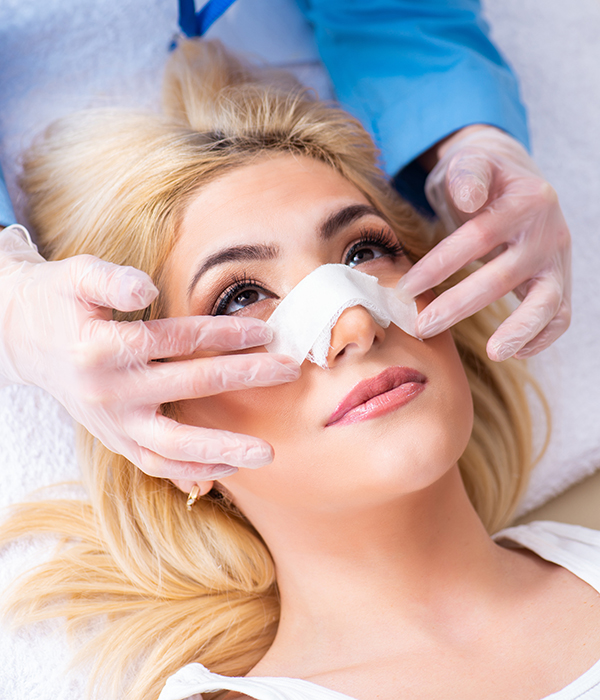
- A splint or dressing may be applied after surgery
- Swelling and bruising are common in the early recovery period
- Some patients require time away from work, study, or normal activities
- Strenuous activity is usually avoided for a period advised by your surgeon
- Swelling can take several months to improve, and subtle changes may continue for longer
- Follow-up appointments are important to monitor healing
Following post-operative instructions carefully can help support recovery and reduce the risk of complications.
RISKS
As with any surgical procedure, rhinoplasty carries potential risks. These may include, but are not limited to:
- Infection, bleeding or haematoma
- Scarring, swelling or bruising
- Changes in skin sensation
- Nasal blockage or breathing changes
- Asymmetry or irregularities
- Changes in smell
- Poor wound healing
- Dissatisfaction with the outcome
- Adverse reaction to anaesthesia
Your surgeon will discuss the risks, benefits, alternatives, and recovery process with you during your consultation.
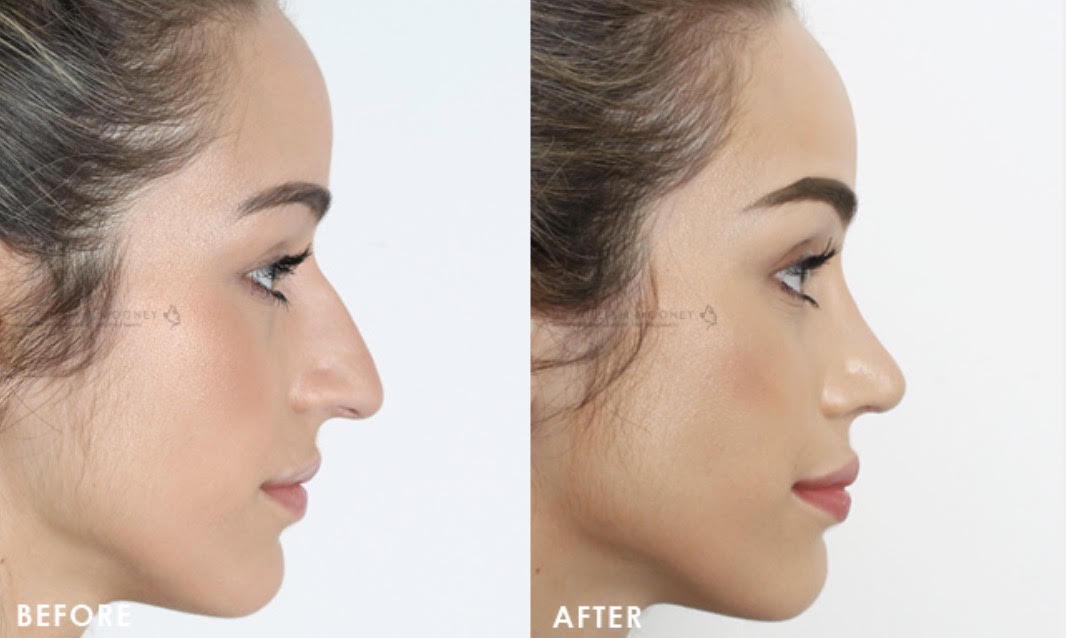
BEFORE & AFTER
IMPORTANT INFORMATION

Individual Assessment
Every patient requires a personalised consultation to determine appropriate treatment planning.
Any surgical or invasive procedure carries risks. Before proceeding, you should seek a second opinion from an appropriately qualified health practitioner.
For more detailed information about potential risks, recovery and post operative care, please visit rhinoplastysydney.com.au/disclaimer/