


EAR SURGERY (OTOPLASTY)
what is otoplasty
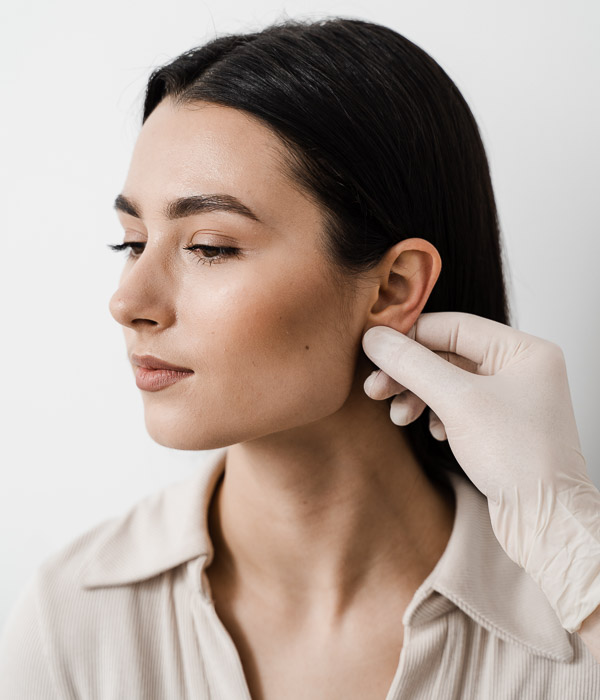
Otoplasty, also known as ear surgery or prominent ear correction, is a surgical procedure that adjusts the position, shape, or proportion of the ears.
It is commonly performed to reduce the prominence of ears that sit further away from the head. This may involve reshaping or repositioning ear cartilage to bring the ears
closer to the head.
The appearance of prominent ears is often related to differences in the natural folds of the ear cartilage. Otoplasty may be considered for both children and adults once
the ears have reached near full development.
about the procedure
Otoplasty is a surgical procedure tailored to the individual, depending on the structure of the ears and the concerns being addressed.
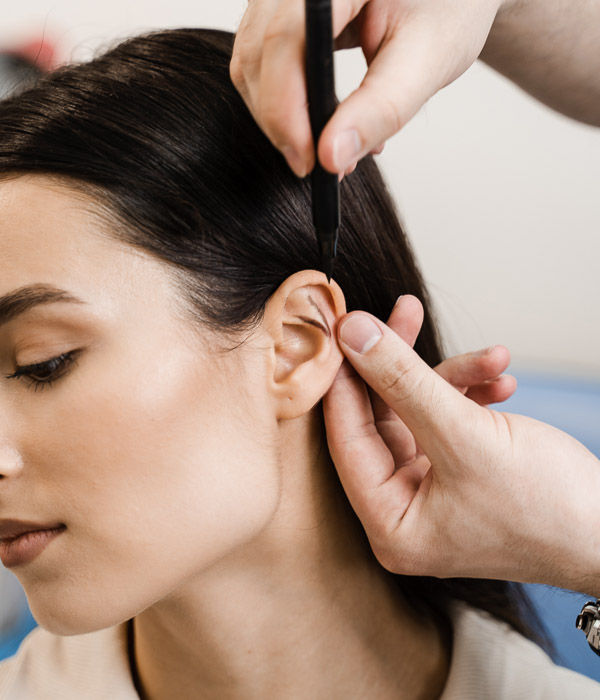
The procedure typically involves an incision made behind the ear, within the natural fold where the ear meets the head. Through this approach, cartilage may be reshaped, repositioned, or, in some cases, reduced. Sutures are often used to help maintain the new position of the ear.
In some cases, cartilage is not removed but instead reshaped using internal sutures. The technique used will depend on the individual anatomy and treatment plan discussed during consultation.
A thorough consultation is required prior to surgery. This includes reviewing medical history, discussing goals, and assessing suitability. For younger patients, a parent or guardian must be involved in the decision making process. A cooling off period is observed before proceeding.
who is suitable?
Otoplasty may be considered by individuals who have concerns about the position, shape, size, or proportion of their ears. Suitability depends on a range of factors, including ear anatomy, cartilage structure, skin quality, age, medical history, previous trauma or surgery, and individual goals.
Otoplasty may be suitable for individuals who:
- Have ears that protrude or sit prominently from the head
- Have concerns about ear shape, symmetry, or proportion
- Are in generally good health
- Have realistic expectations about surgical outcomes
The procedure may be considered for children once ear growth is near completion (typically around 5 to 6 years of age), as well as adults.
Otoplasty is not suitable for everyone. A consultation with an appropriately qualified health practitioner is required to assess your individual circumstances, discuss alternative options, and determine whether surgery is appropriate.
RECOVERY
Recovery following otoplasty varies between individuals. In general:
- Dressings or bandages may be applied after surgery to support the ears during healing
- A headband may be recommended, particularly at night, for a period advised by your surgeon
- Swelling, bruising, and mild discomfort are common in the early recovery period
- Some patients may require time away from work, school, or normal activities
- Strenuous activity and contact sports are usually avoided for a period advised by your surgeon
- Swelling and subtle changes in ear shape may continue to improve over several weeks to months
- Follow up appointments are important to monitor healing and recovery
Following post-operative instructions carefully can help support recovery and reduce the risk of complications.
RISKS
As with any surgical procedure, otoplasty carries potential risks. These may include, but are not limited to:
- Infection, bleeding, or haematoma
- Scarring, swelling, or bruising
- Changes in skin sensation
- Asymmetry or contour irregularities
- Recurrence of ear prominence over time
- Poor wound healing
- Suture-related complications
- Dissatisfaction with the outcome
- Adverse reaction to anaesthesia
- Need for further procedures
Your surgeon will discuss the risks, benefits, alternatives, and recovery process with you during your consultation.
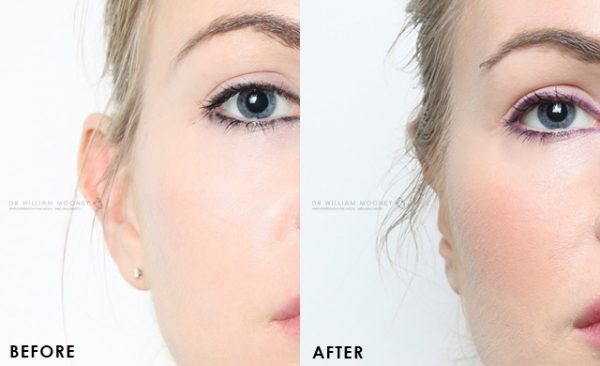
BEFORE & AFTER
IMPORTANT INFORMATION

Individual Assessment
Every patient requires a personalised consultation to determine appropriate treatment planning.
Any surgical or invasive procedure carries risks. Before proceeding, you should seek a second opinion from an appropriately qualified health practitioner.
For more detailed information about potential risks, recovery and post operative care, please visit rhinoplastysydney.com.au/disclaimer/