

NON-SURGICAL RHINOPLASTY
what is NON-SURGICAL RHINOPLASTY
Non-surgical rhinoplasty is a cosmetic procedure that uses injectable treatment to alter the appearance of selected areas of the nose without surgery. It may be considered by some patients who have concerns about nasal shape, symmetry, or minor irregularities.
This treatment does not reduce the size of the nose and does not replace surgical rhinoplasty. Instead, it may be used in selected cases to add volume or support to specific areas, such as the nasal bridge or tip, depending on the patient’s anatomy and goals.
Non-surgical rhinoplasty is not suitable for everyone. The nose has a complex blood supply, and injectable treatment in this area carries specific risks. A consultation is required to assess whether this treatment is appropriate and to discuss the potential risks, benefits, limitations, alternatives, and expected duration of results.
about the procedure
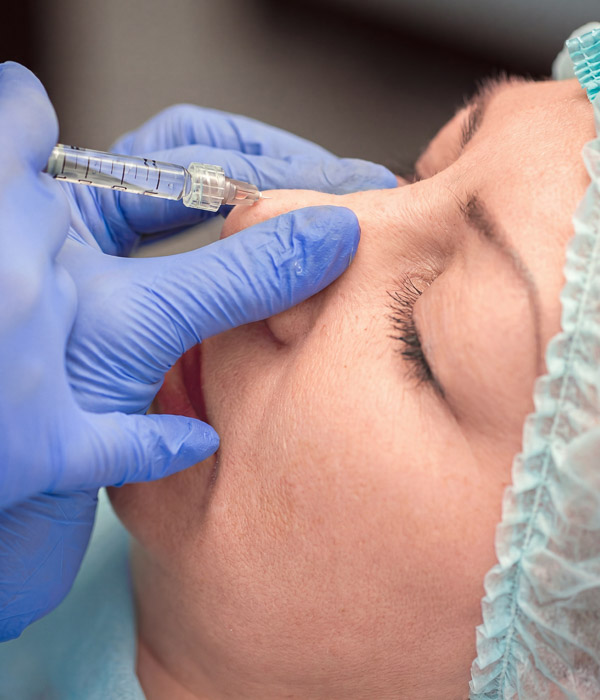
Non-surgical rhinoplasty involves the careful placement of injectable product into selected areas of the nose. The treatment plan depends on the patient’s anatomy, skin quality, nasal structure, previous procedures, and treatment goals.
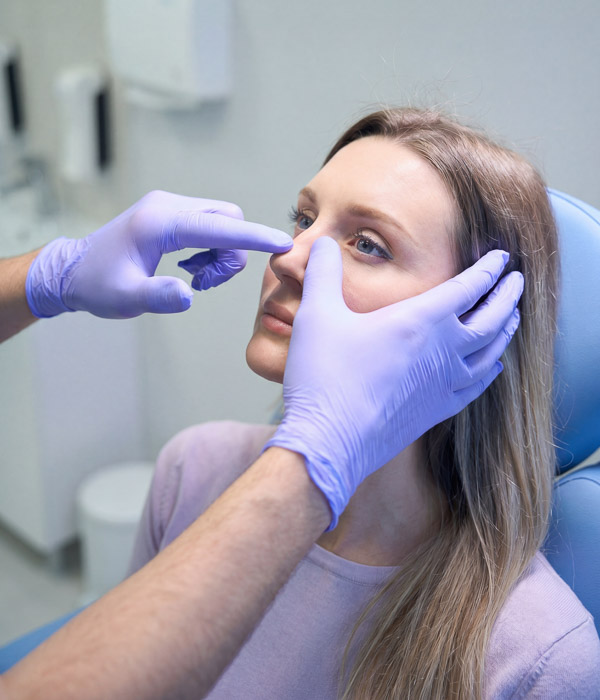
Before treatment, the practitioner will assess the nose and discuss whether the concern is suitable for injectable treatment. The procedure may involve marking the treatment area, cleaning the skin, and placing small amounts of product in carefully selected locations.
Because of the blood vessels in and around the nose, non-surgical rhinoplasty requires careful technique and an understanding of nasal anatomy. Your practitioner will discuss the specific risks associated with injectable treatment in this area before proceeding.
The duration of results varies between individuals and depends on factors such as the product used, metabolism, anatomy, and treatment area. Maintenance treatment may be required if a patient wishes to maintain the result.
who is suitable?
Non-surgical rhinoplasty may be considered by people with selected nasal shape concerns who do not require, or are not currently seeking, surgical rhinoplasty.
A person may consider assessment for non-surgical rhinoplasty if they:
- Have minor shape irregularities of the nasal bridge
- Have concerns about small depressions or asymmetry
- Are seeking temporary changes to selected areas of the nose
- Understand that the treatment cannot make the nose smaller
- Understand that results vary and are not permanent
- Have realistic expectations about what injectable treatment may and may not achieve
- Are willing to discuss surgical and non-surgical options during consultation
Non-surgical rhinoplasty may not be appropriate for patients with significant nasal obstruction, major structural concerns, previous complications, certain medical conditions, or concerns that would be better addressed surgically. Your practitioner will assess your individual circumstances before recommending any treatment.
RECOVERY
Recovery varies between individuals. In general:
- Mild swelling, redness, tenderness, or bruising may occur after treatment
- Some patients may notice temporary unevenness while swelling settles
- Pressure on the treated area should be avoided for the period advised by your practitioner
- Strenuous activity, alcohol, or heat exposure may need to be avoided for a short period
- Follow-up may be recommended to review the treated area
- Urgent medical attention should be sought if there is severe pain, skin colour change, visual symptoms, or other concerning symptoms
Your practitioner will provide aftercare instructions based on the treatment performed.
RISKS
As with any cosmetic procedure, non-surgical rhinoplasty carries potential risks. These may include, but are not limited to:
- Swelling
- Bruising
- Tenderness or discomfort
- Redness at the injection site
- Infection
- Lumps, irregularities, or asymmetry
- Tyndall effect or visible product under the skin
- Product migration
- Dissatisfaction with the outcome
- Allergic reaction
- Vascular occlusion, which can affect blood flow to the skin
- Skin injury, ulceration, or scarring
- Visual disturbance or blindness, which is rare but serious
Your practitioner will discuss the relevant risks, aftercare, limitations, and alternatives during your consultation.
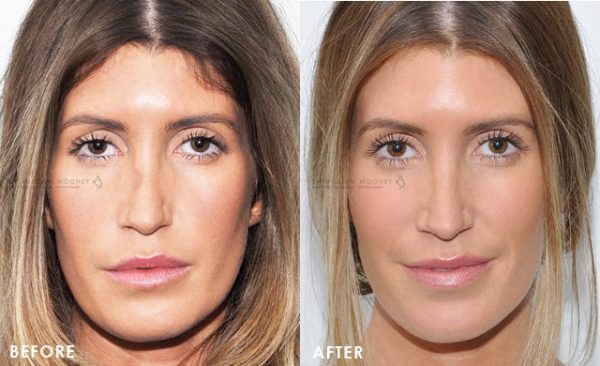
BEFORE & AFTER
IMPORTANT INFORMATION

Individual Assessment
Every patient requires a personalised consultation to determine appropriate treatment planning.
Any surgical or invasive procedure carries risks. Before proceeding, you should seek a second opinion from an appropriately qualified health practitioner.
For more detailed information about potential risks, recovery and post operative care, please visit rhinoplastysydney.com.au/disclaimer/