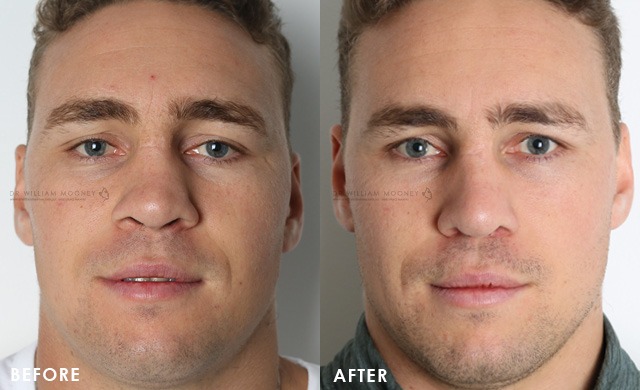
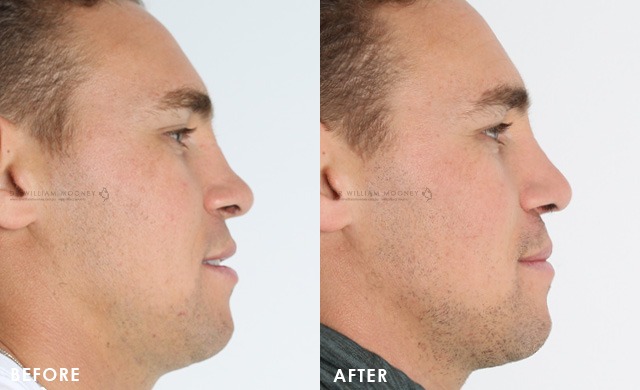
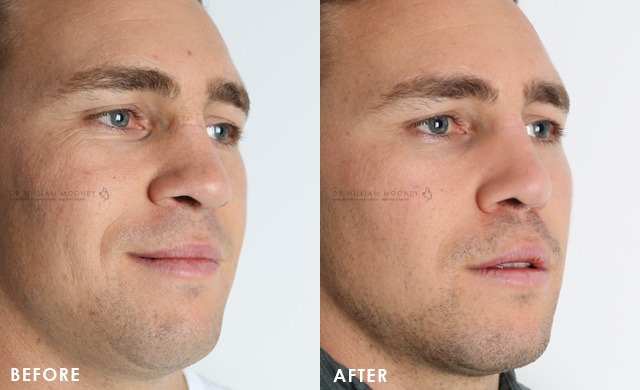
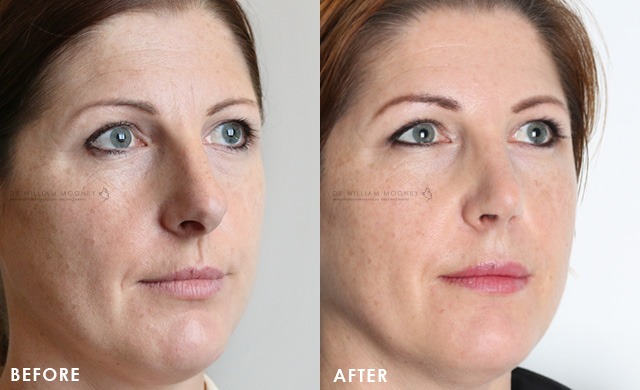
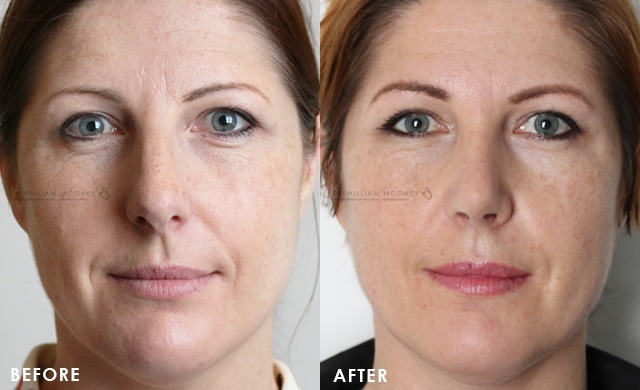
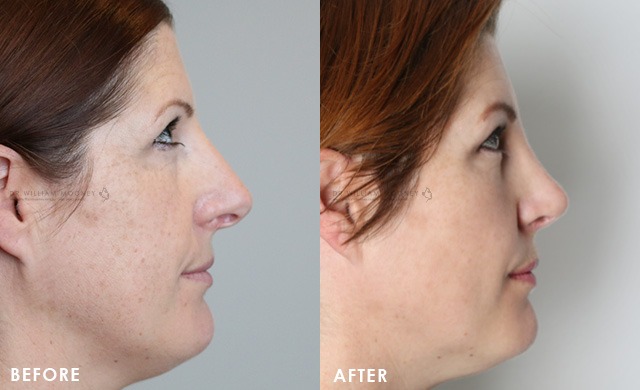
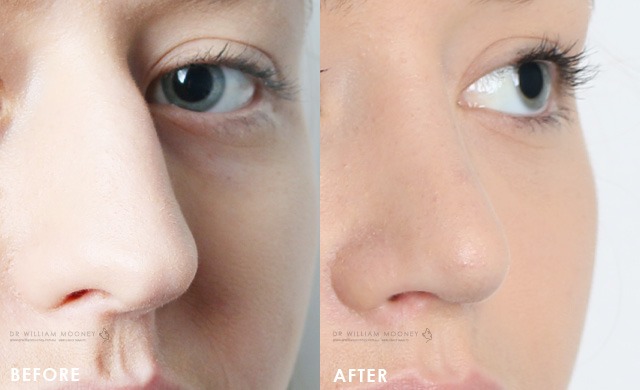
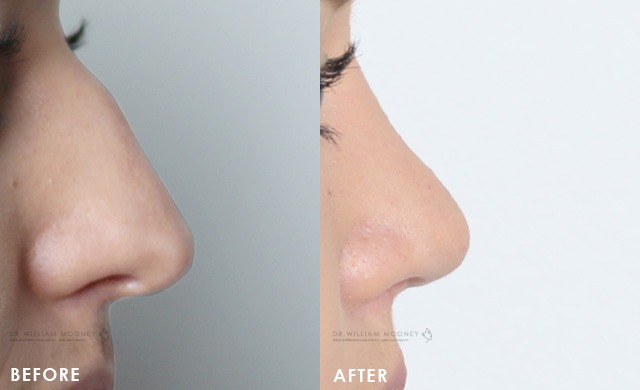
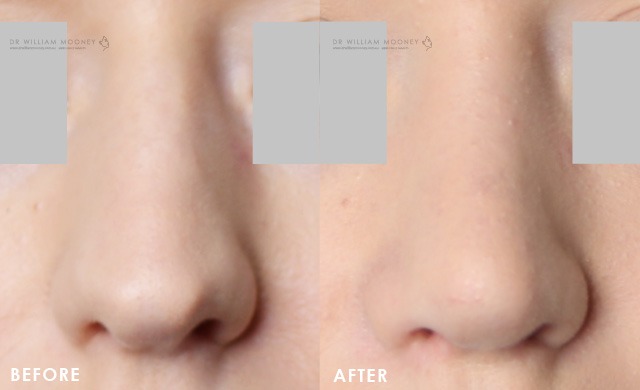
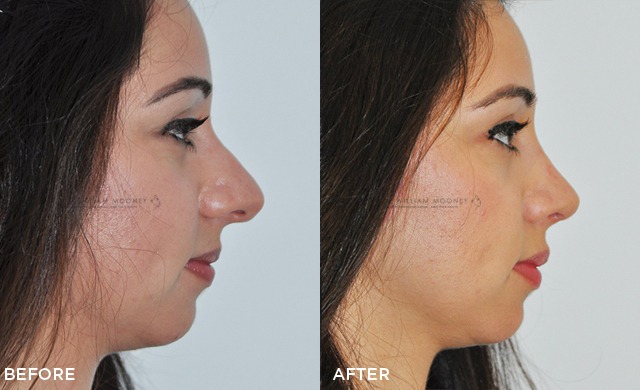
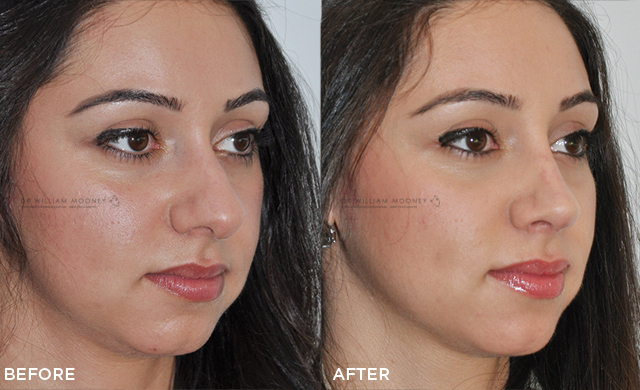
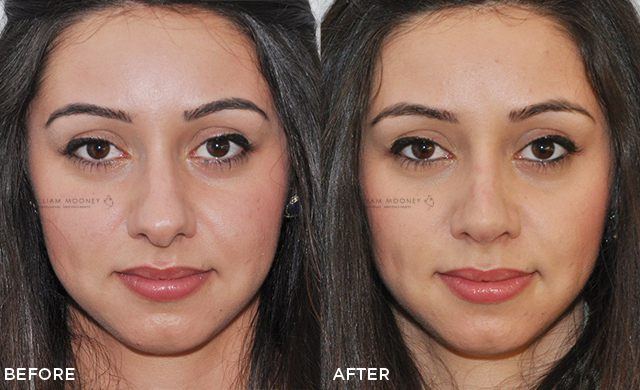
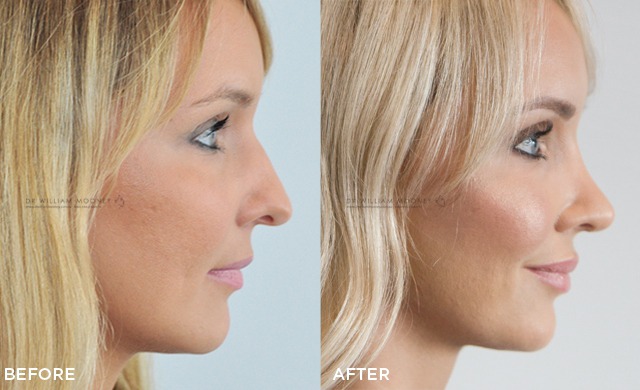
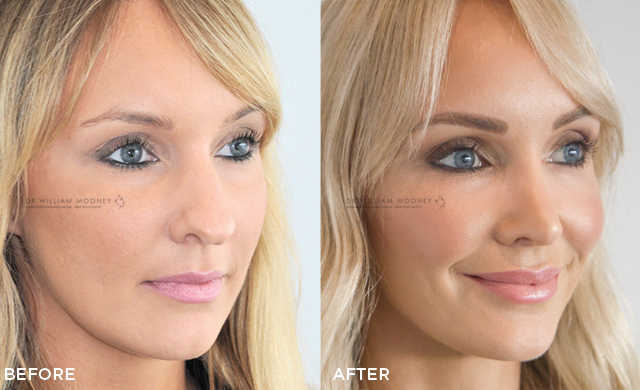
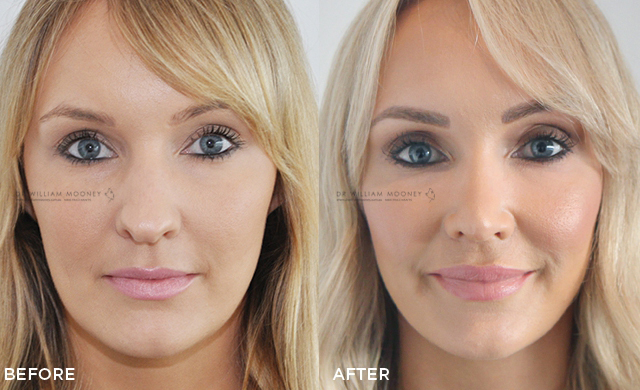
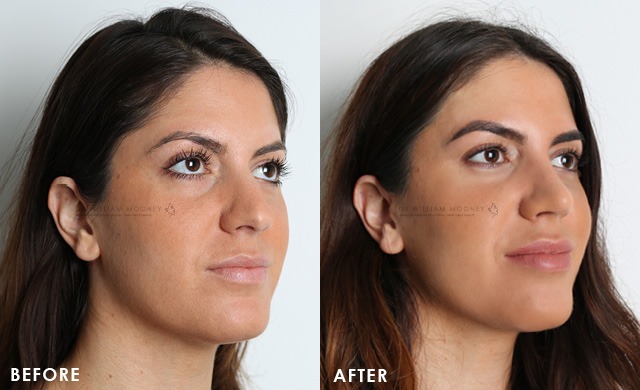
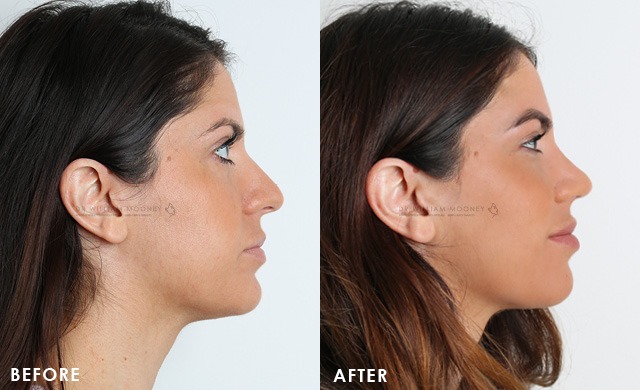
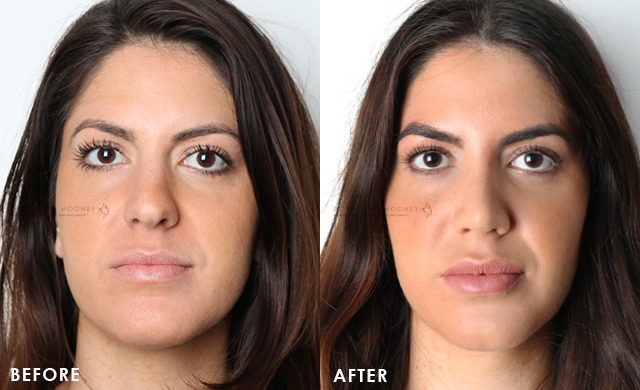
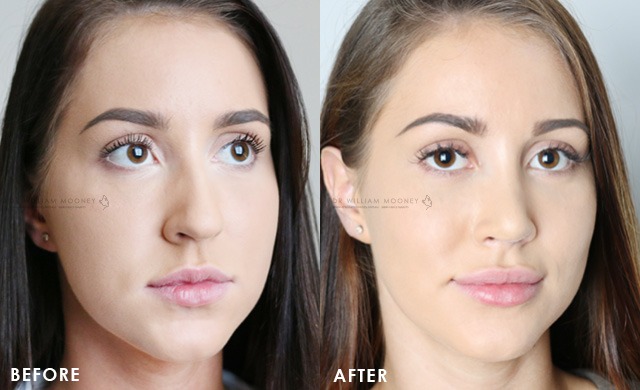
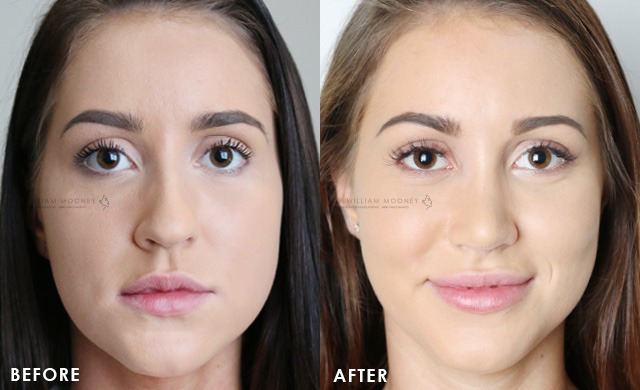
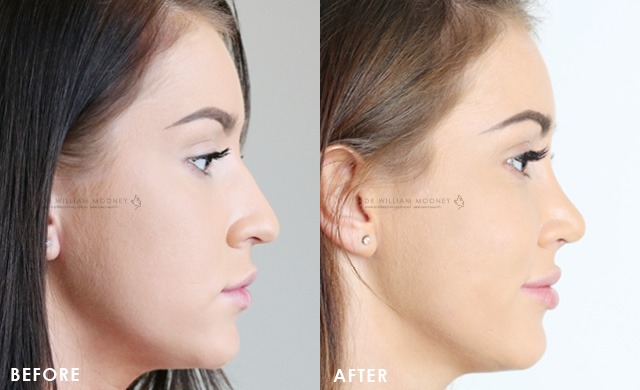
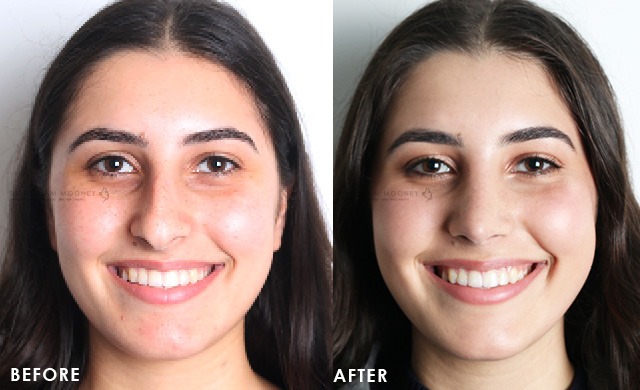
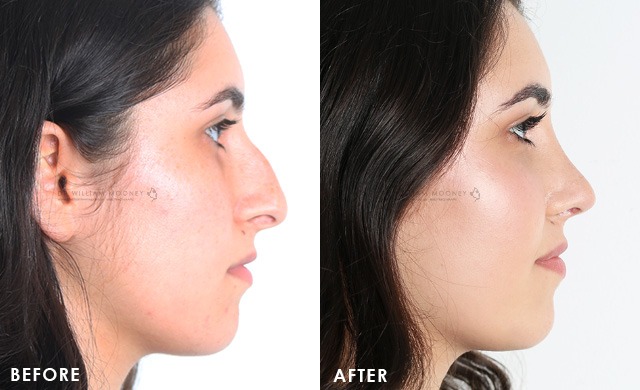
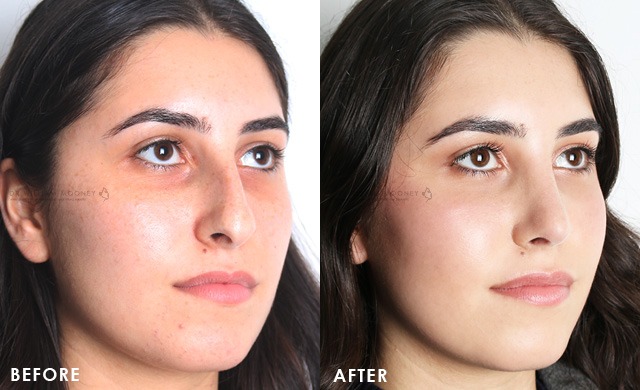
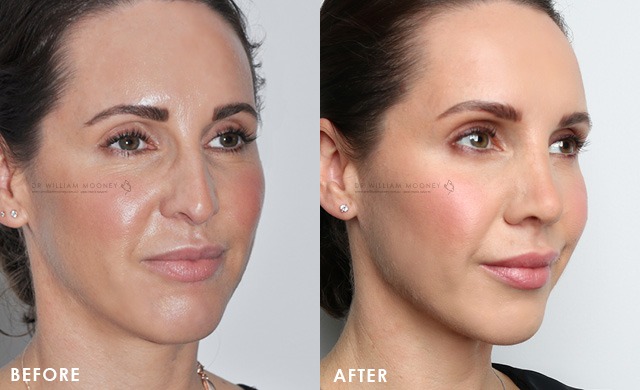
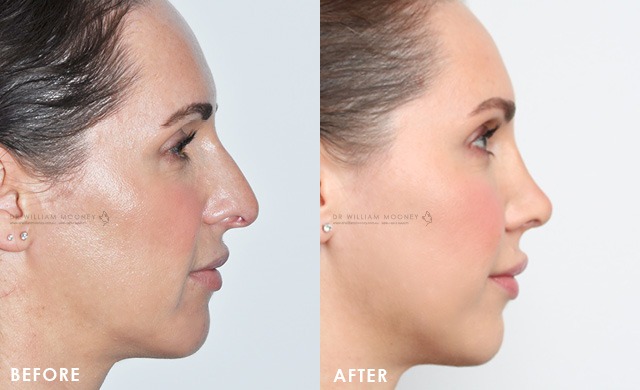
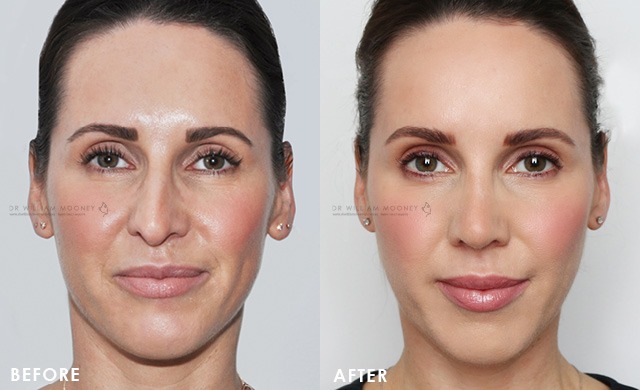
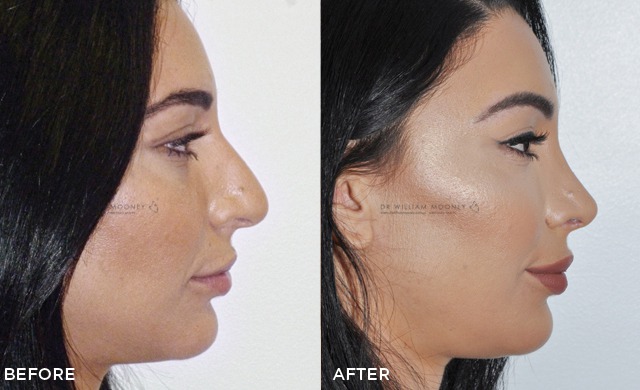
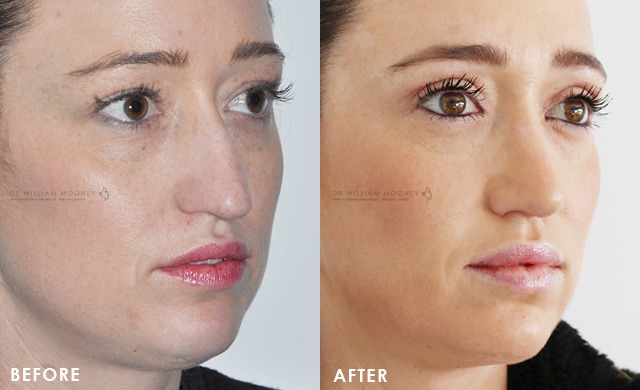
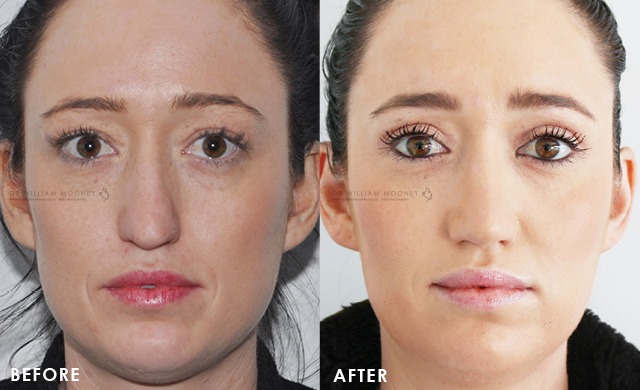
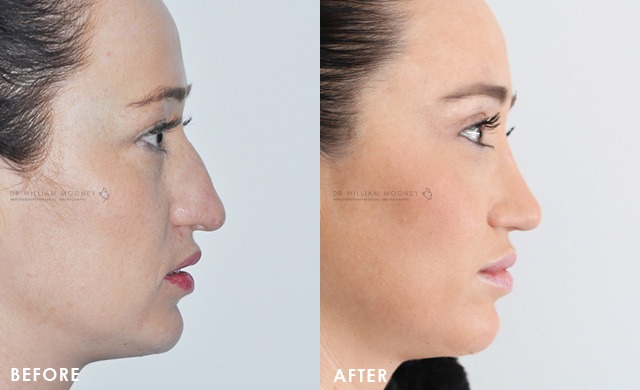
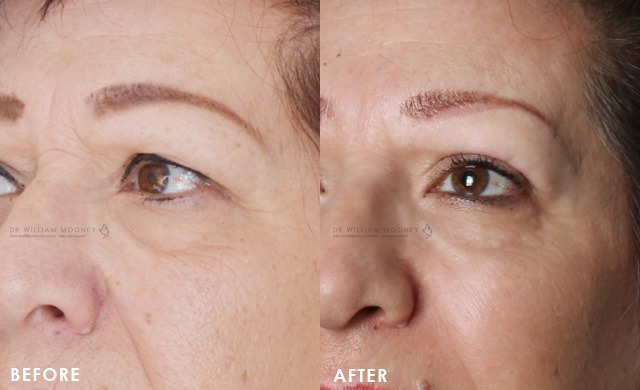
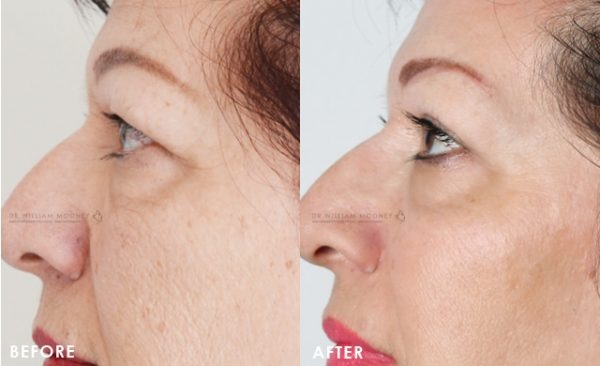
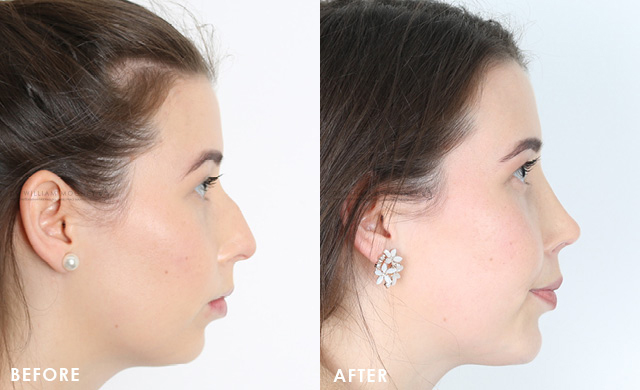
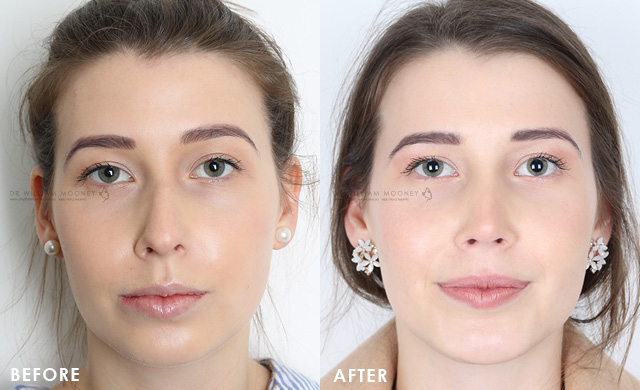
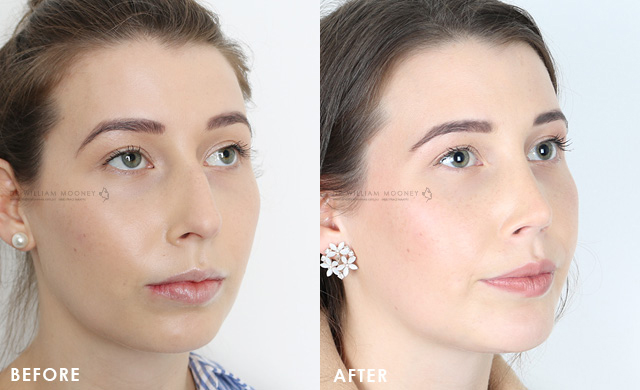
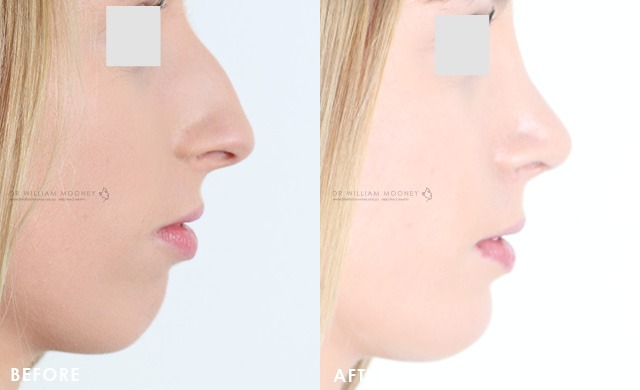
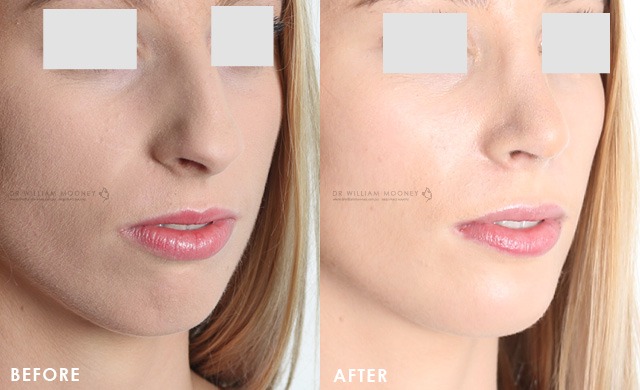
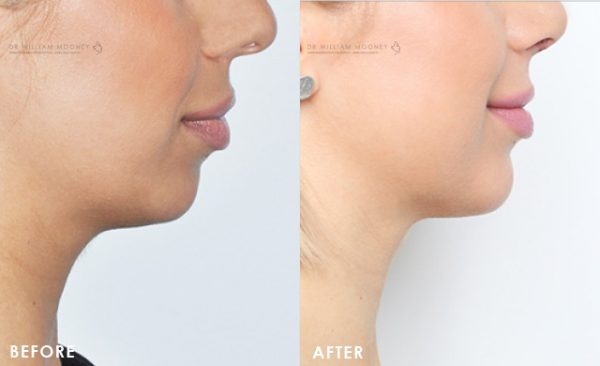
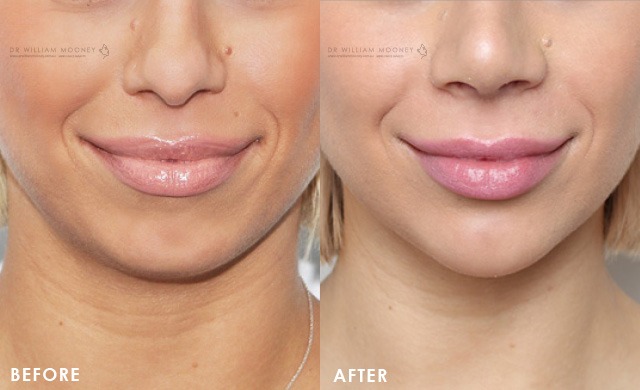
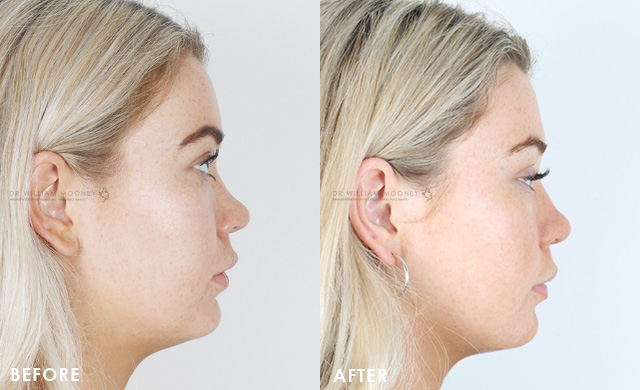
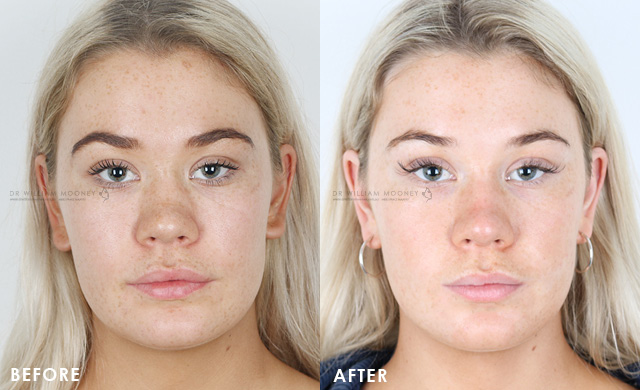
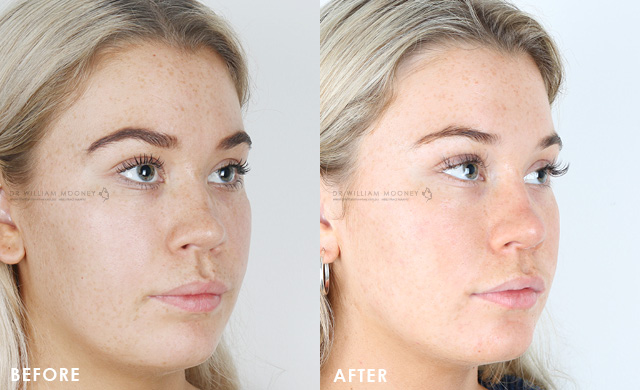
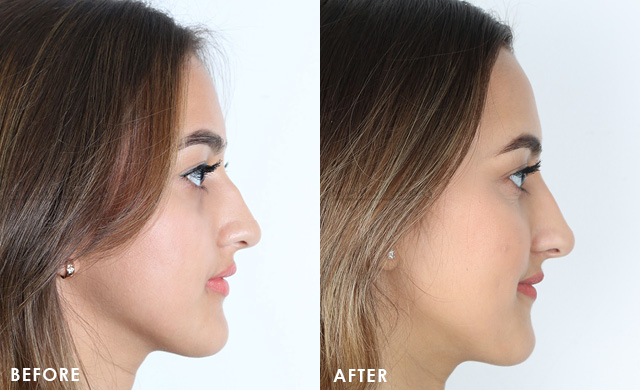
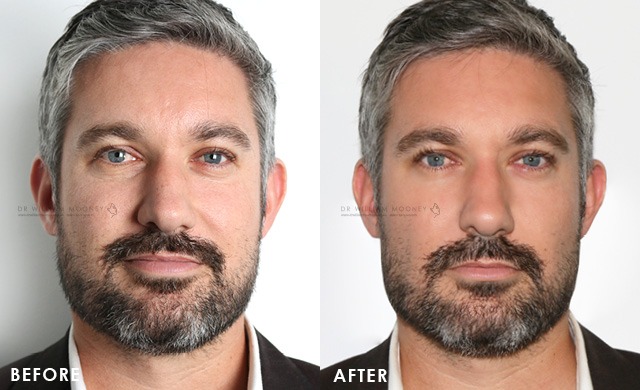
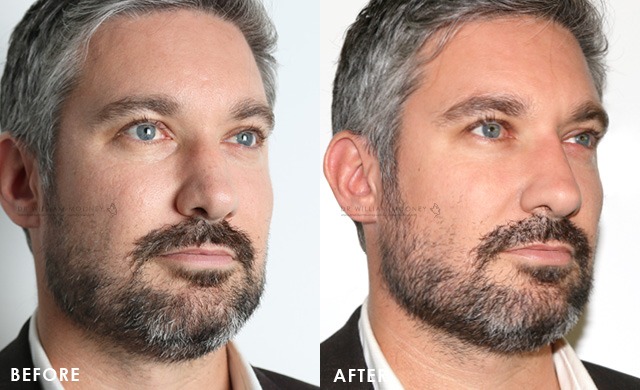
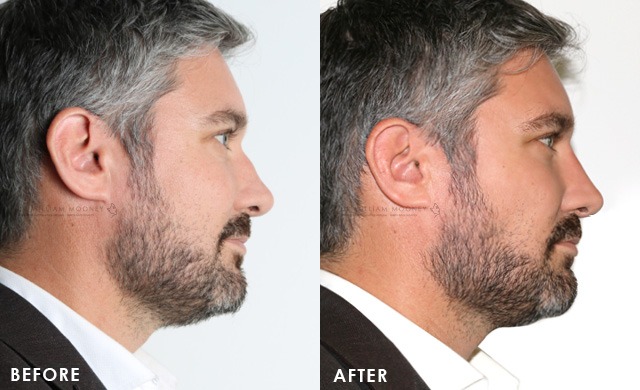
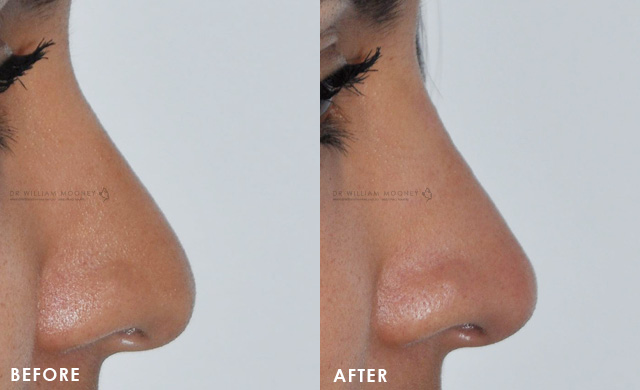
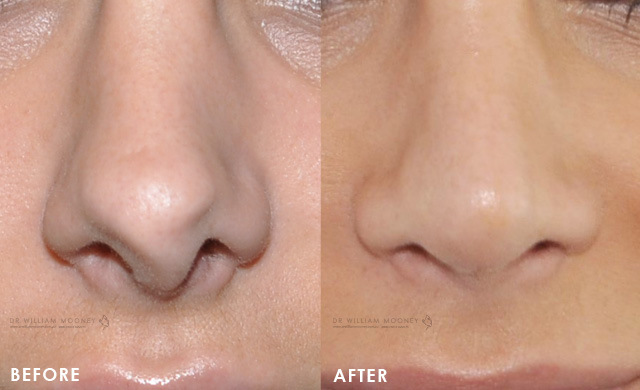
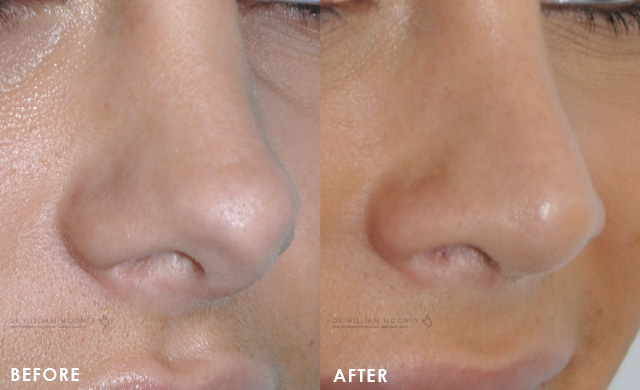
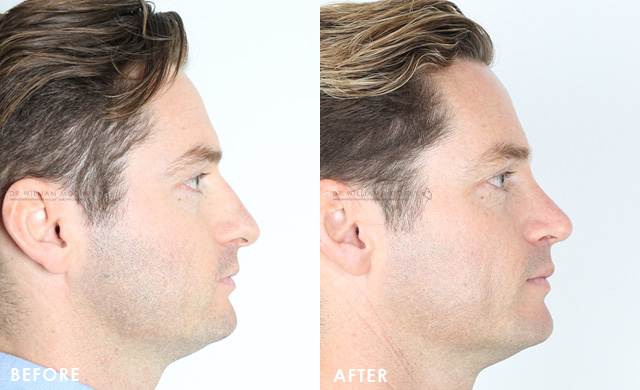
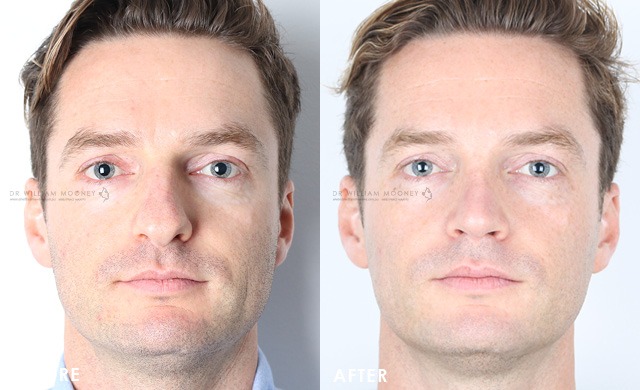
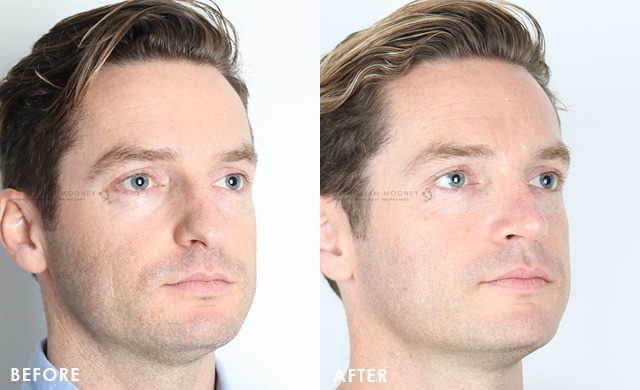
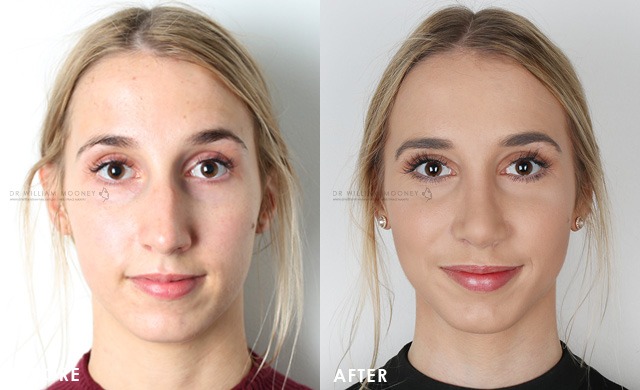
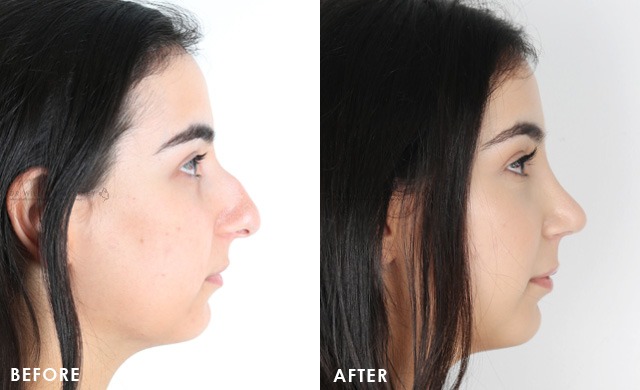
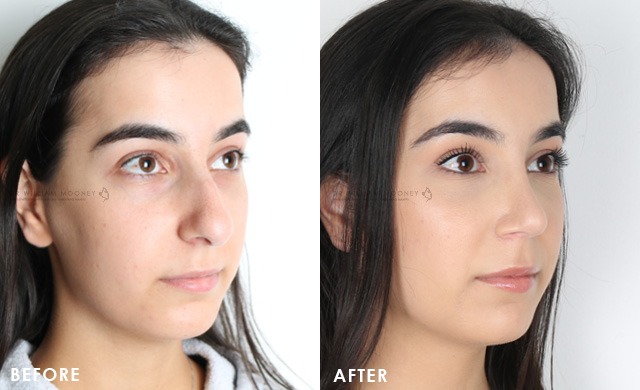
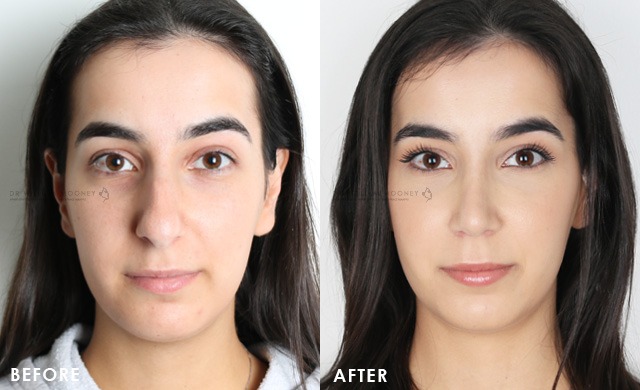
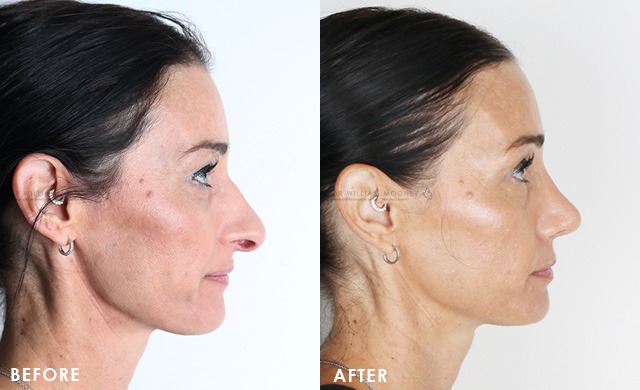
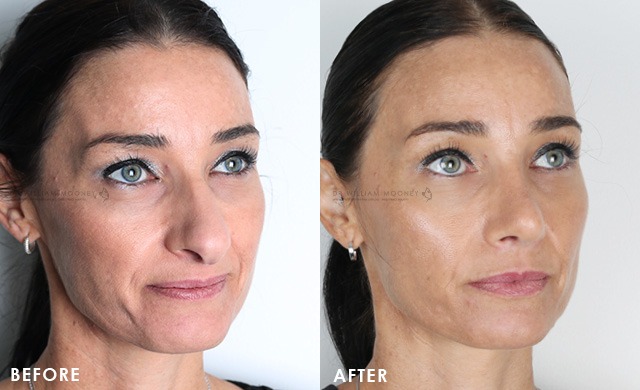
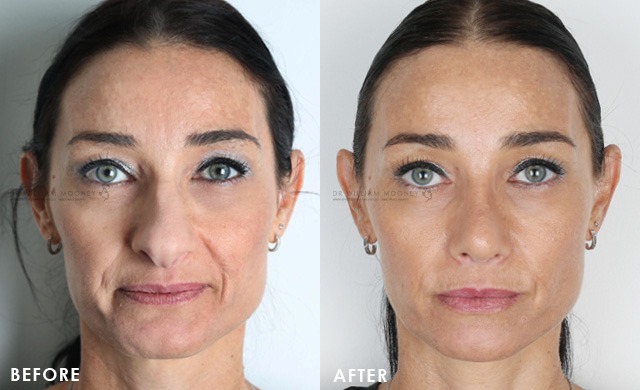
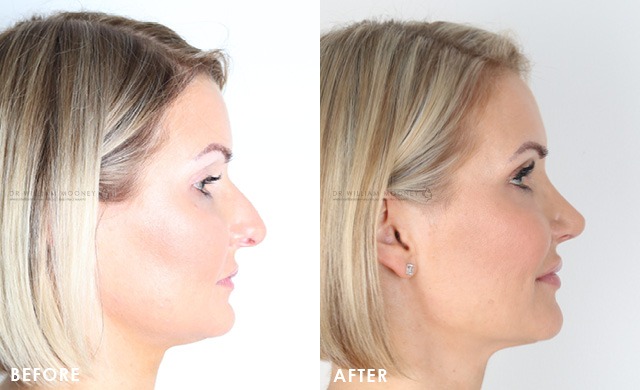
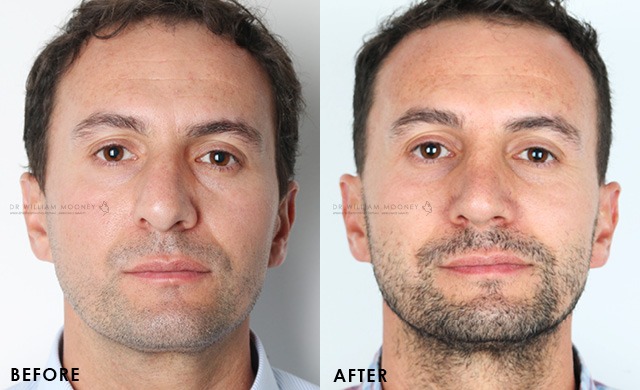
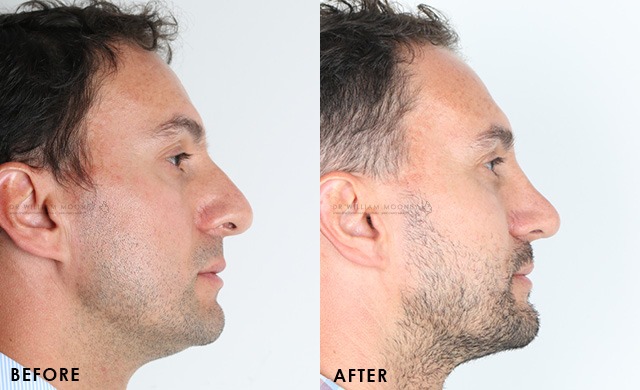
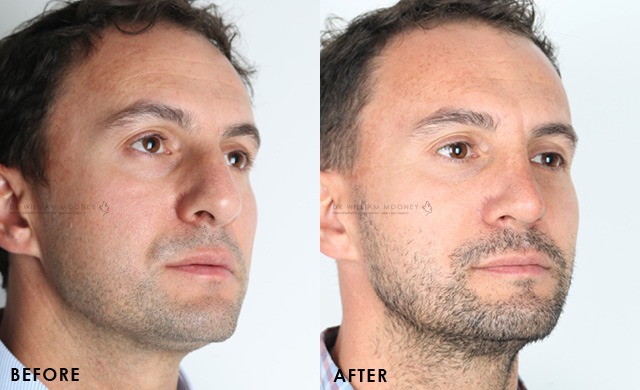
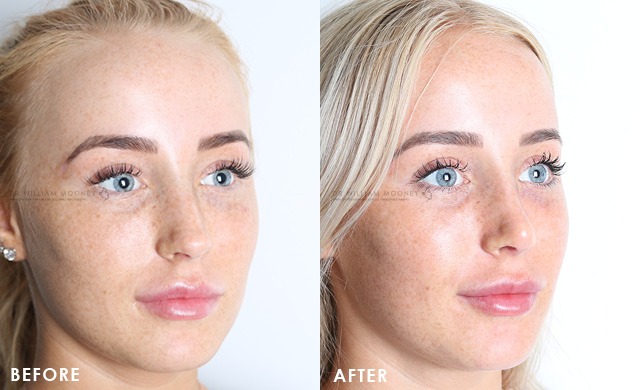
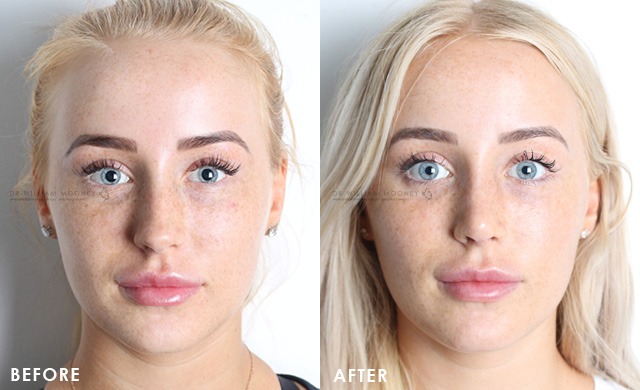
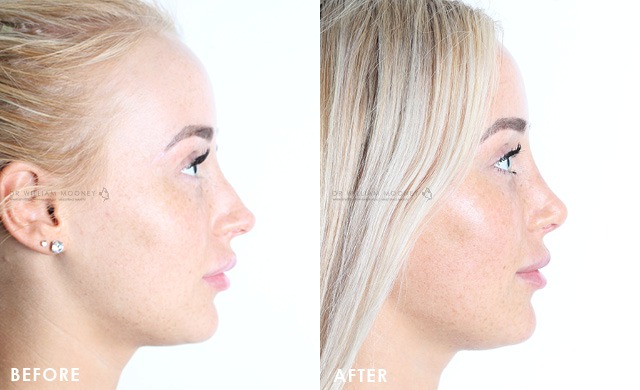
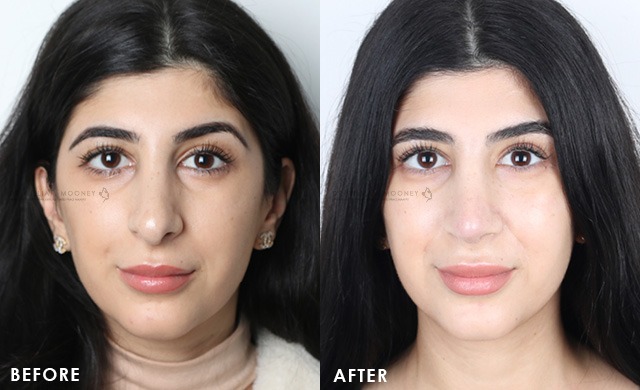
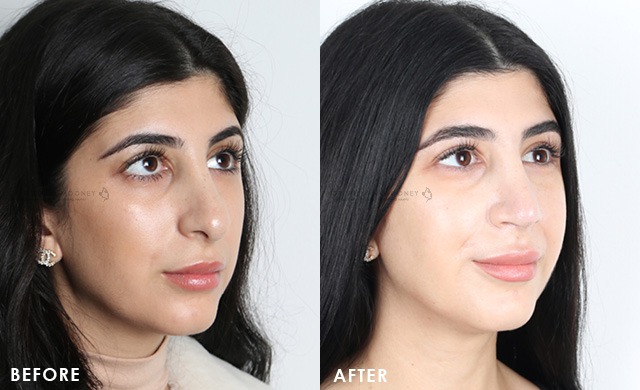
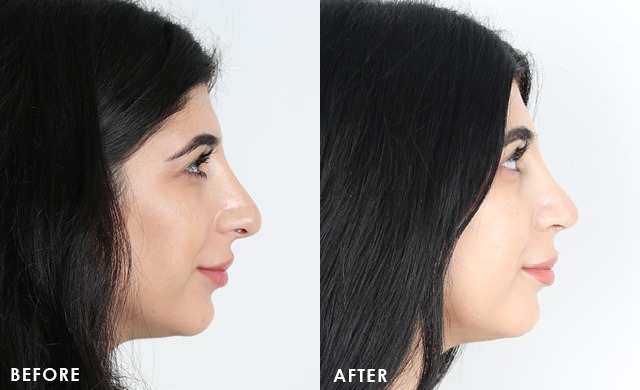
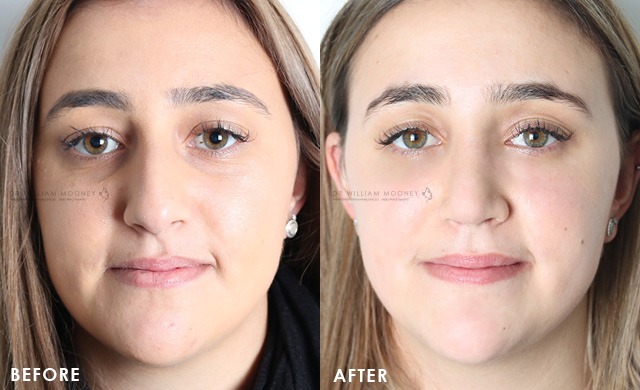
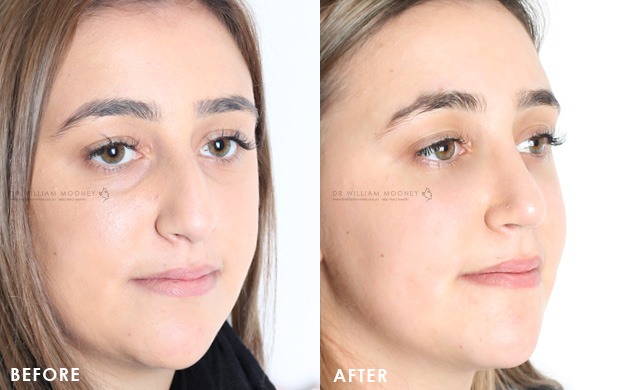
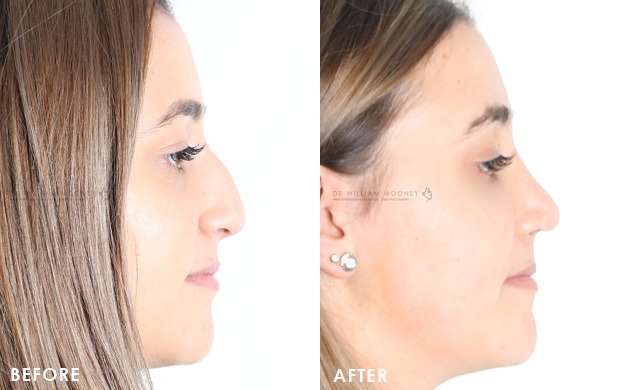
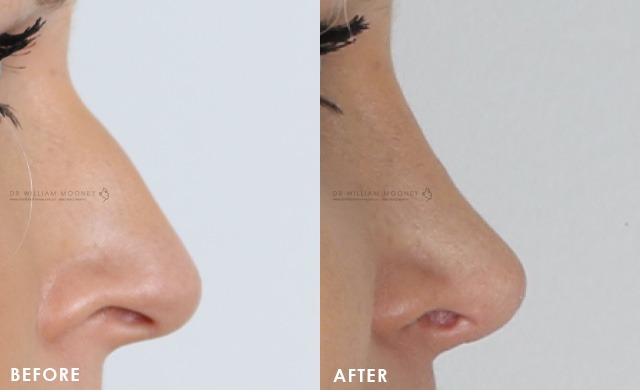
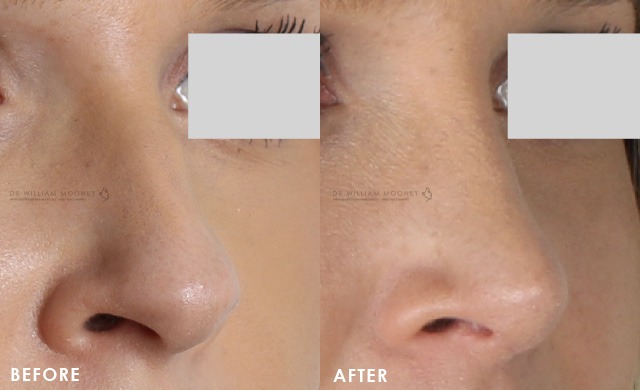
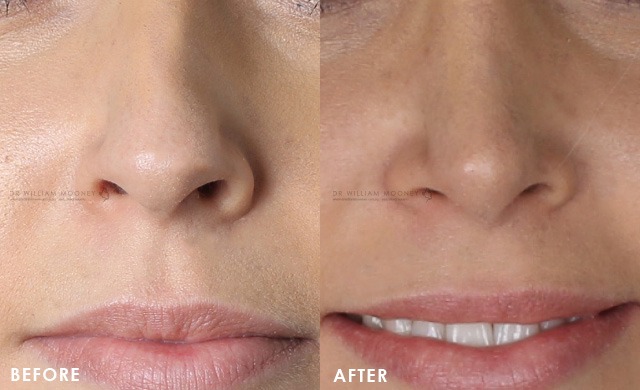
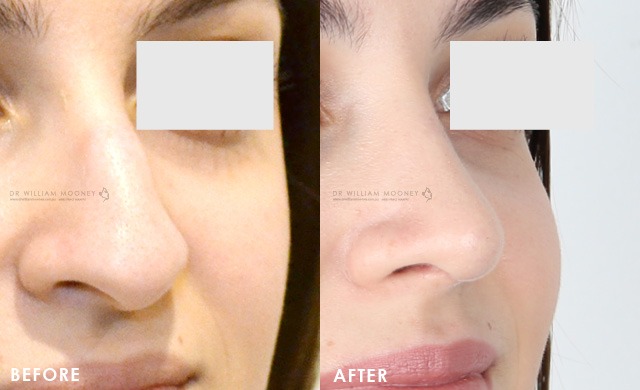
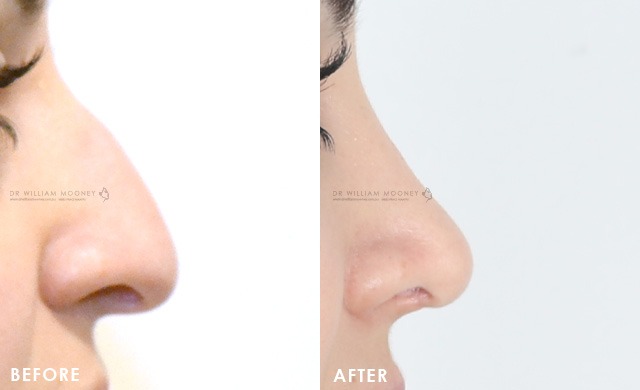
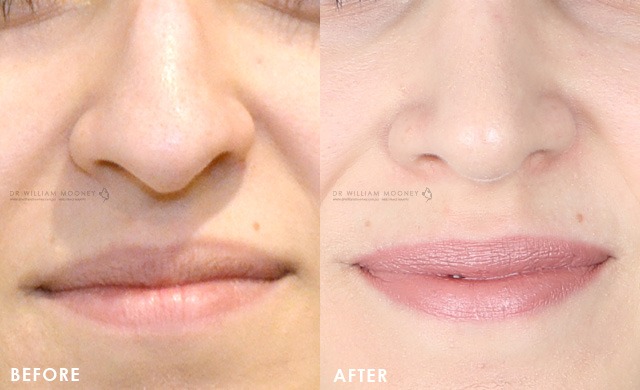
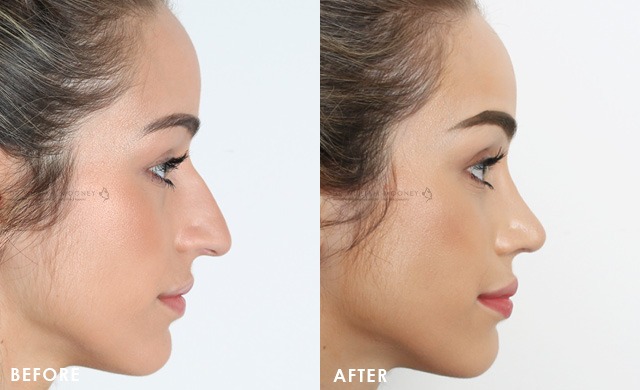
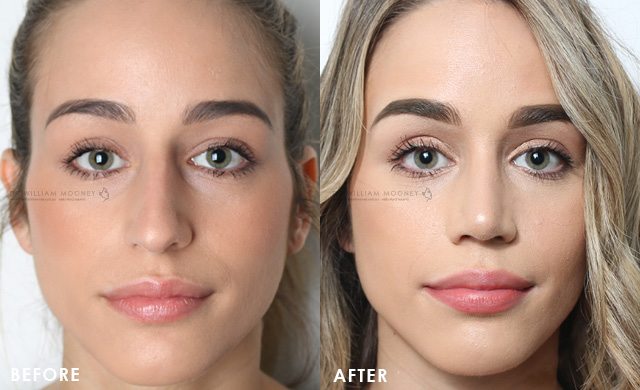
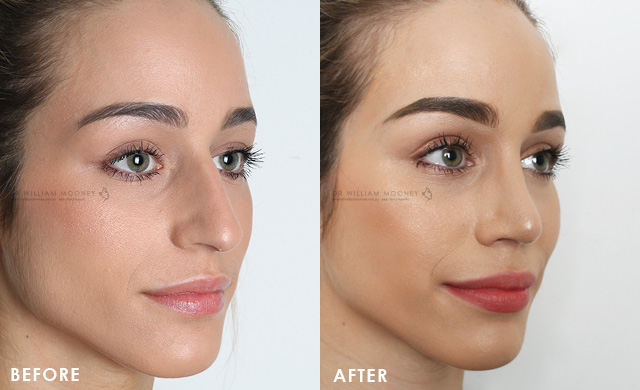
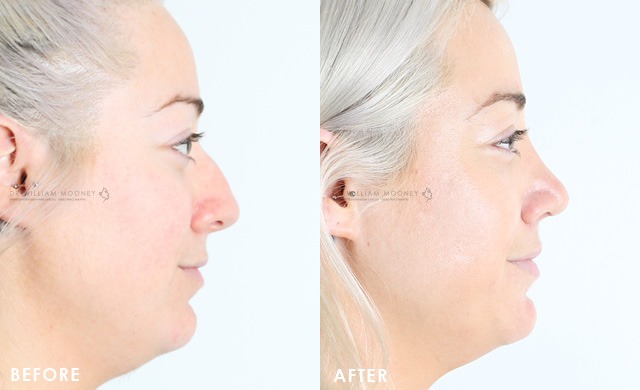
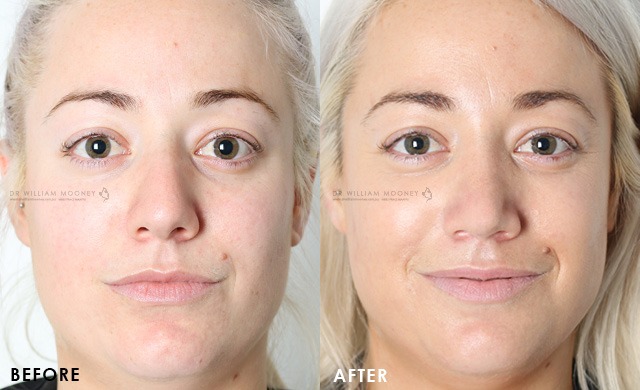
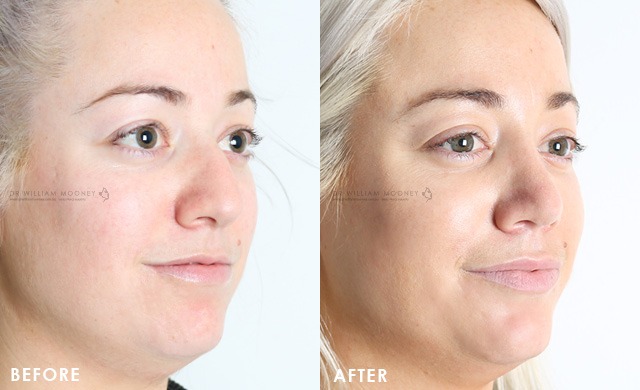
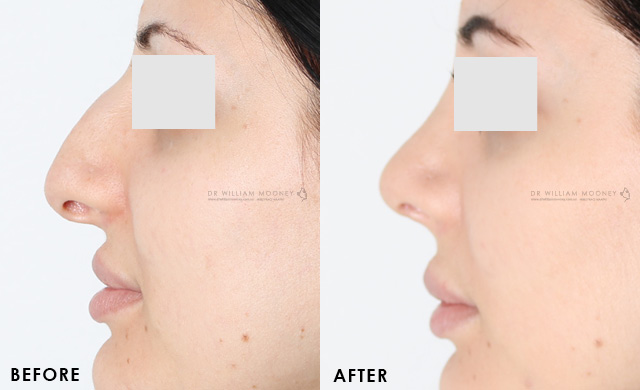
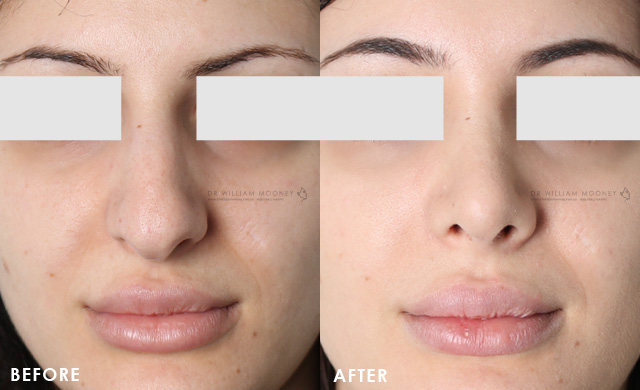
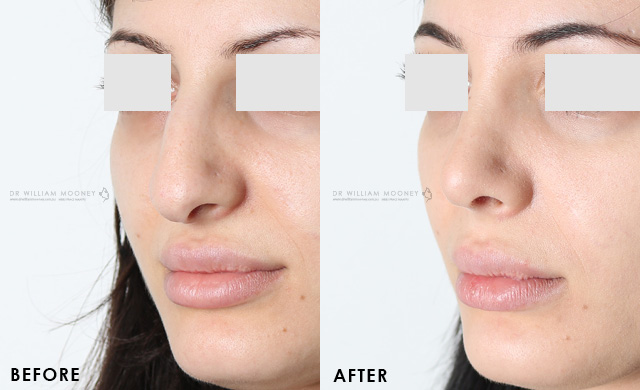
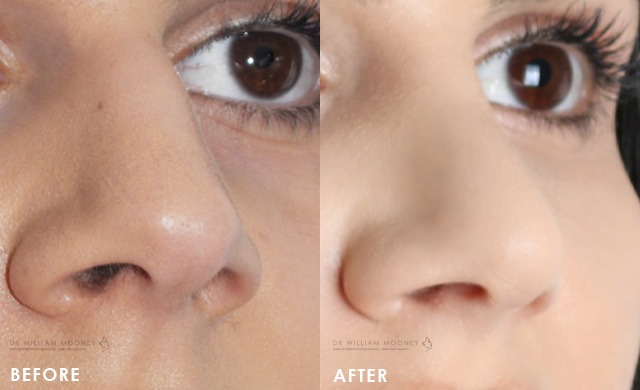
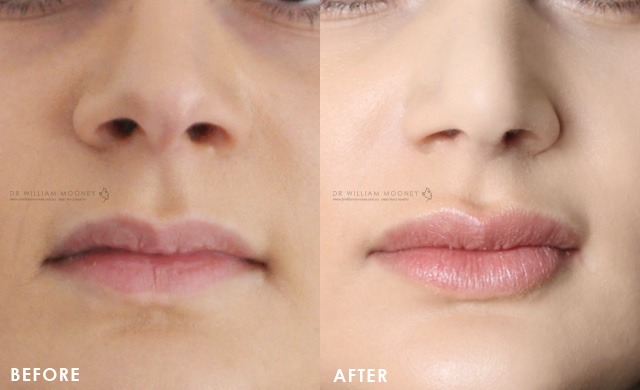
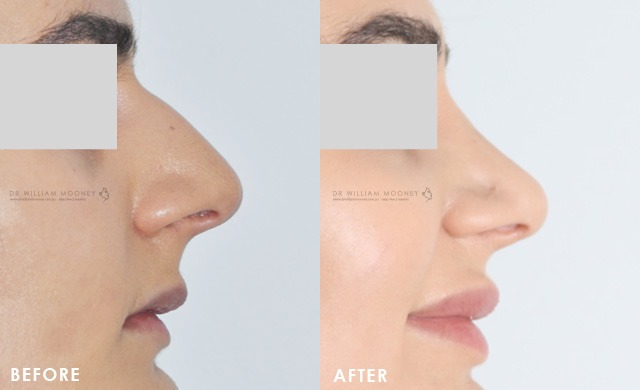
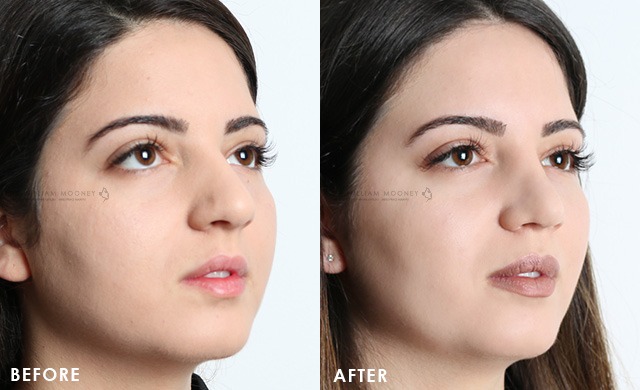
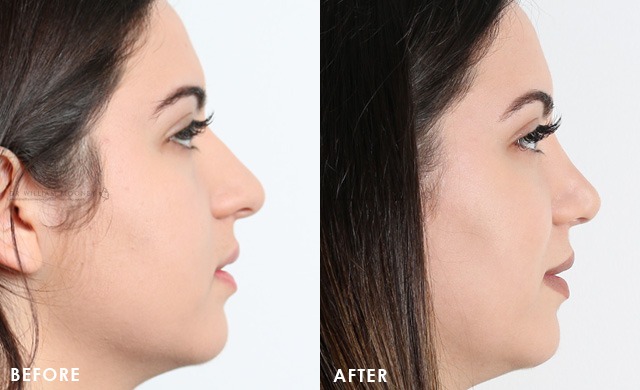
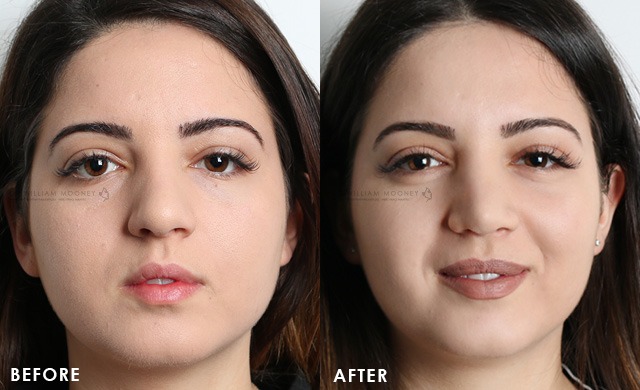
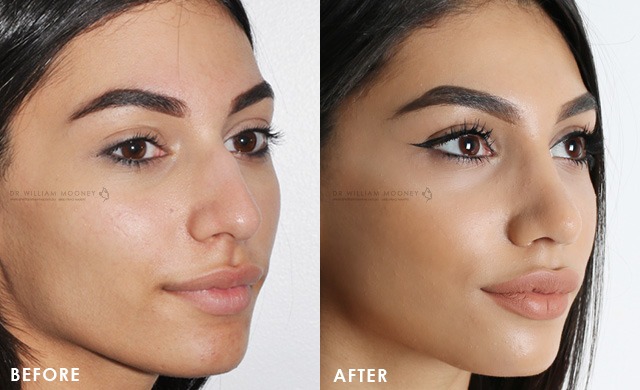
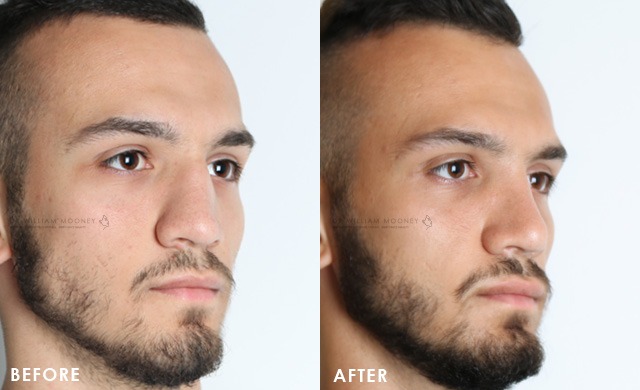
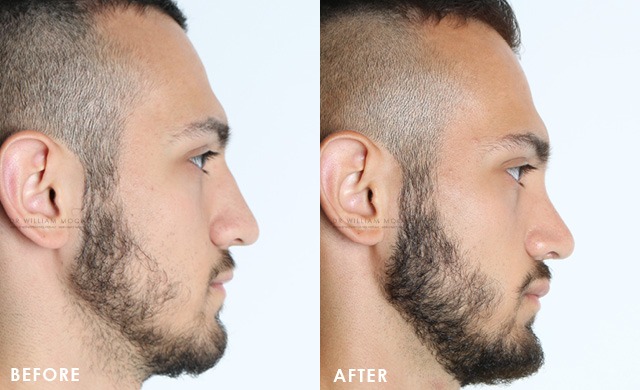
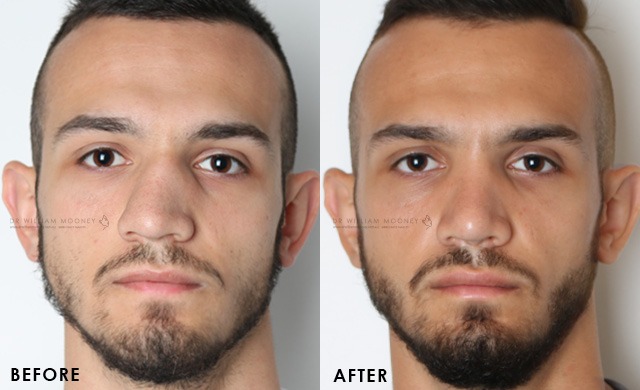
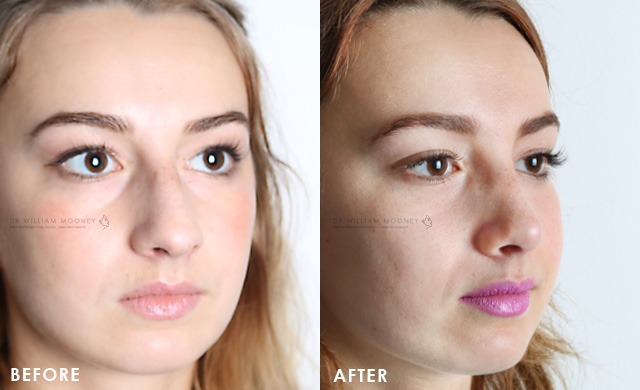
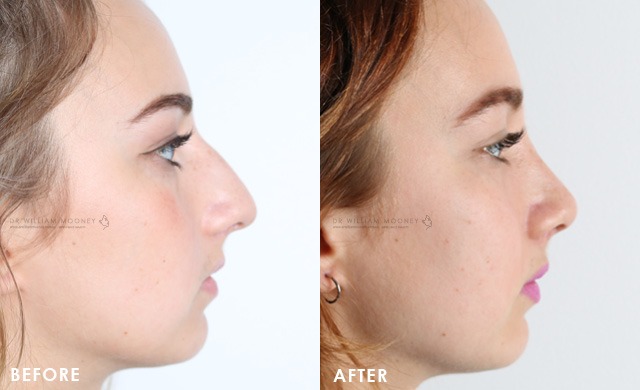
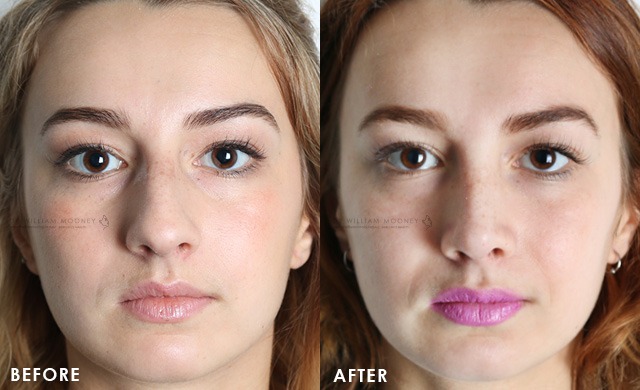
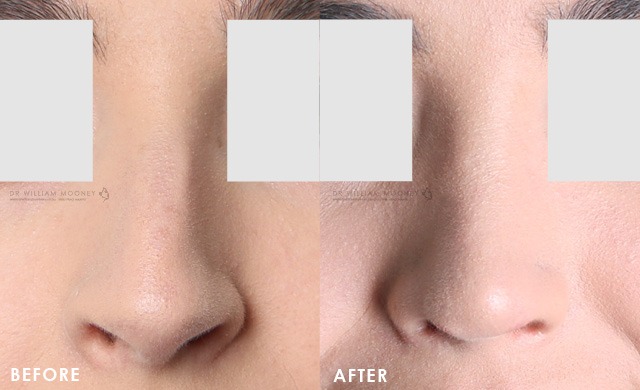
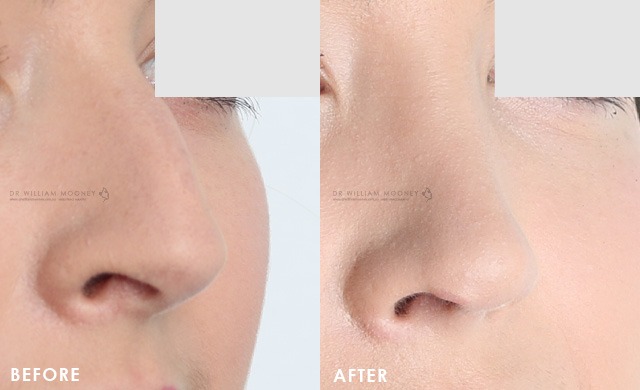
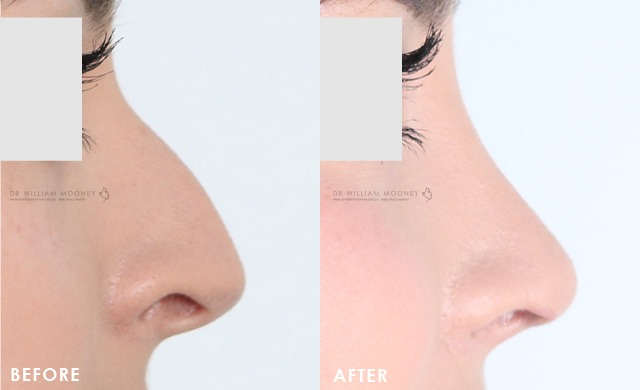
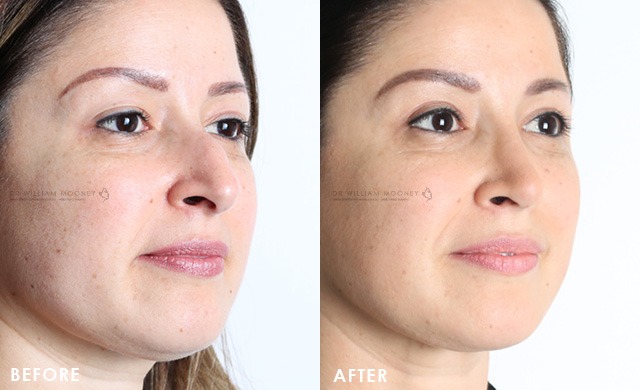
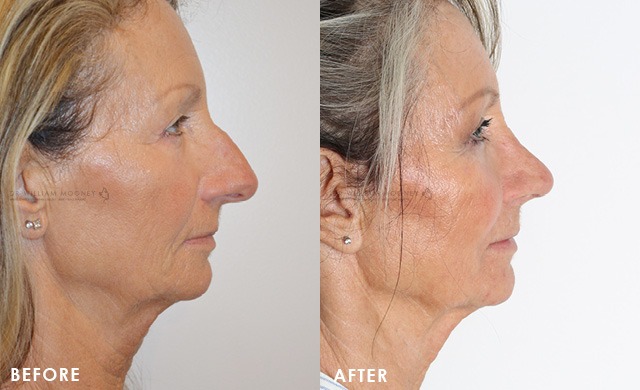
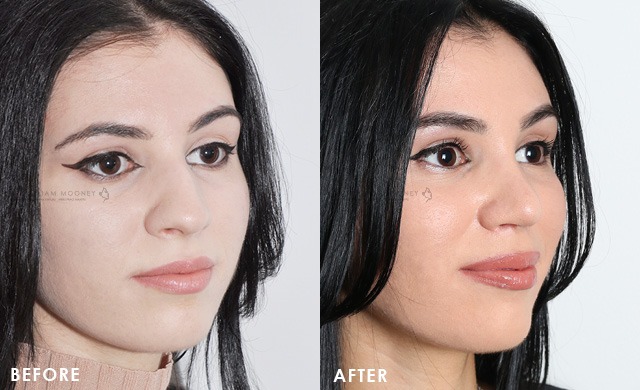
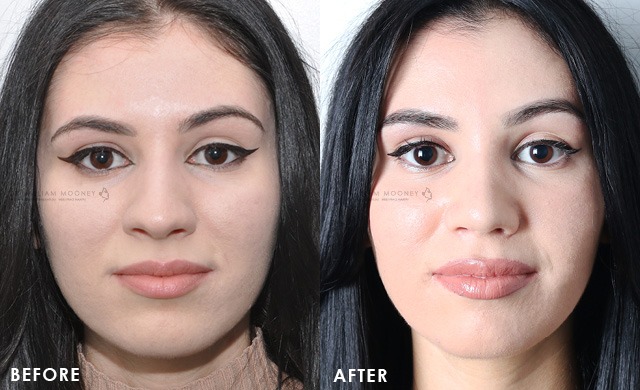
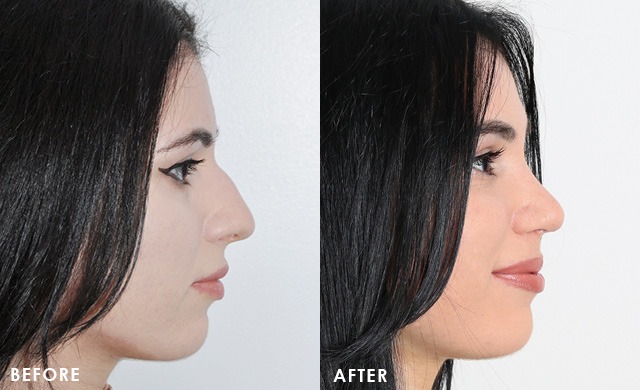
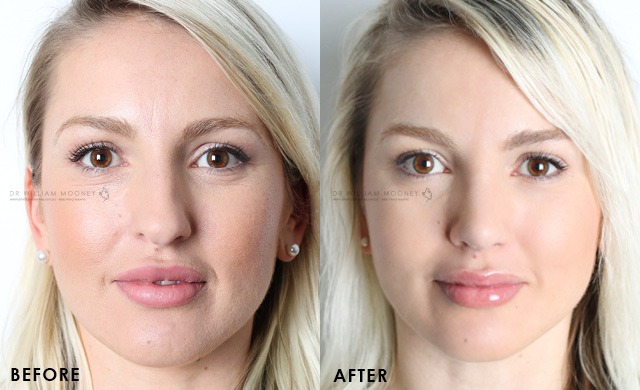
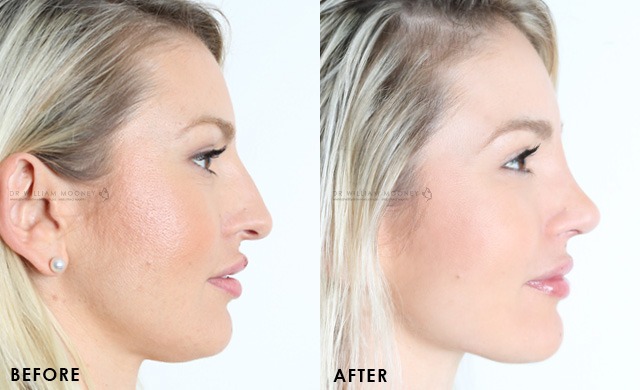
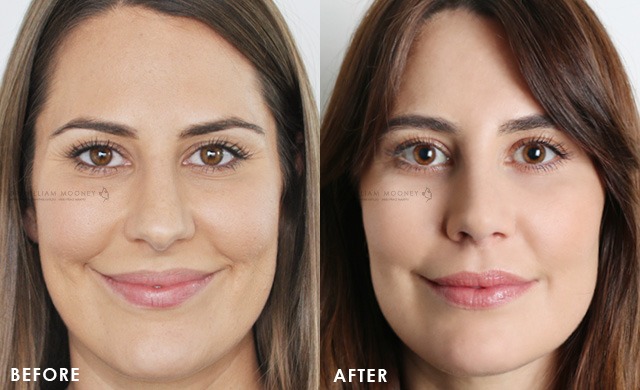
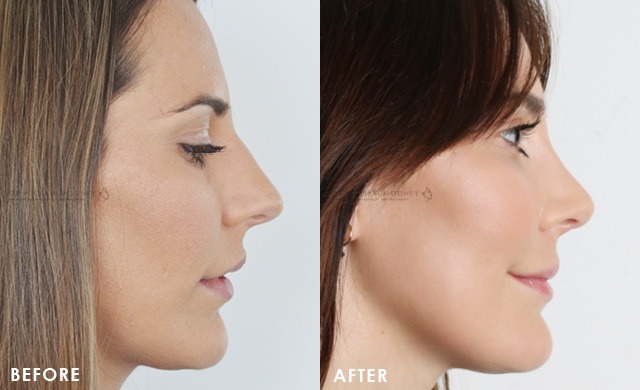
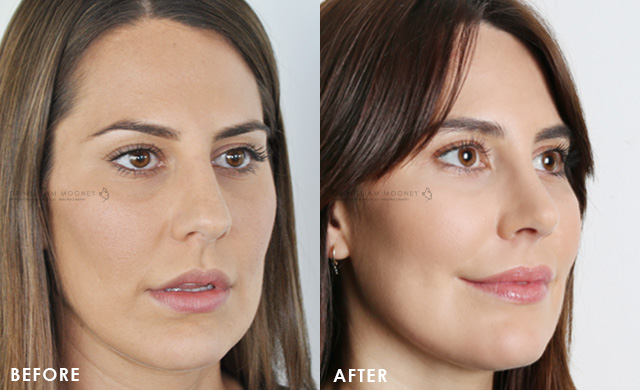
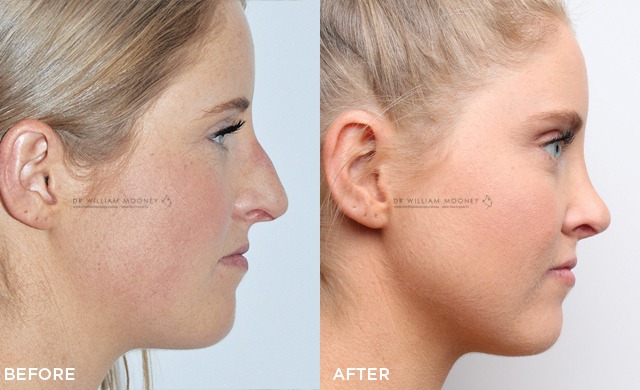
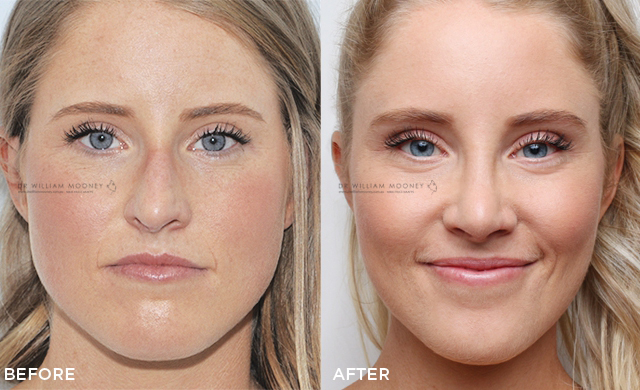
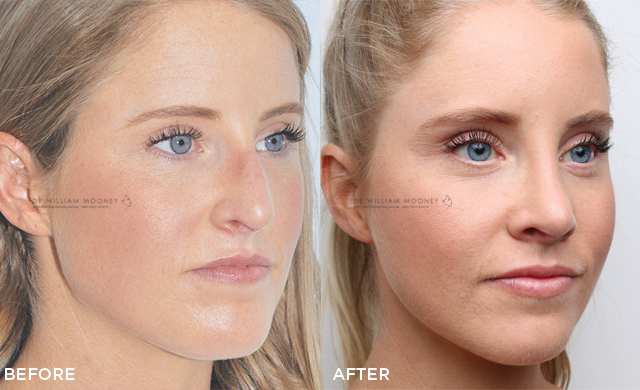
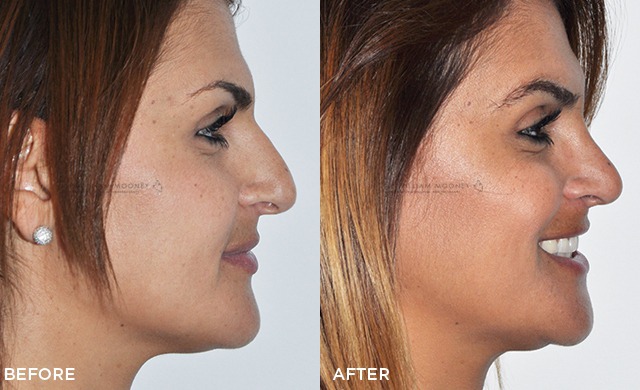
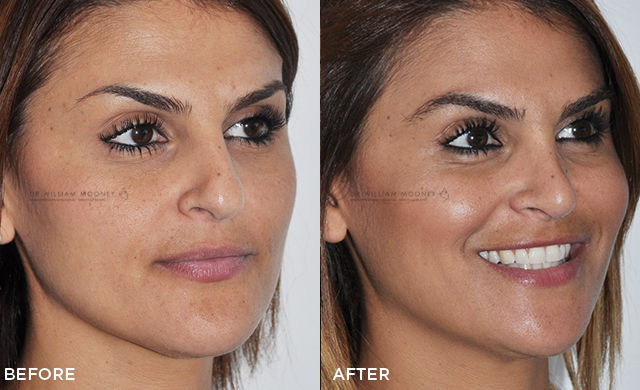
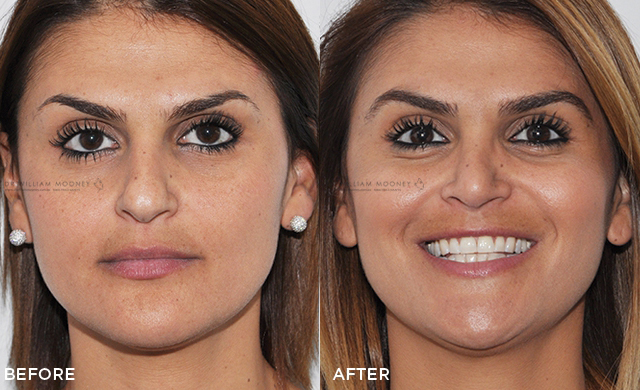
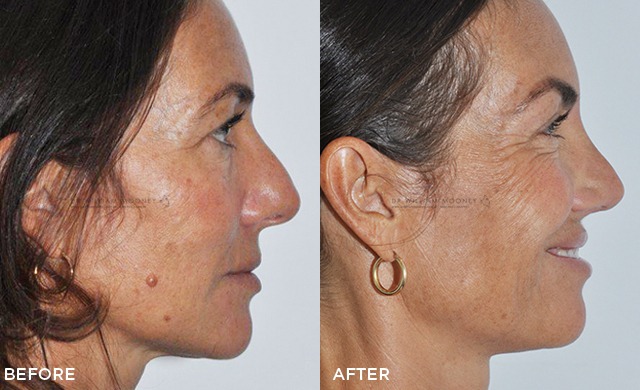
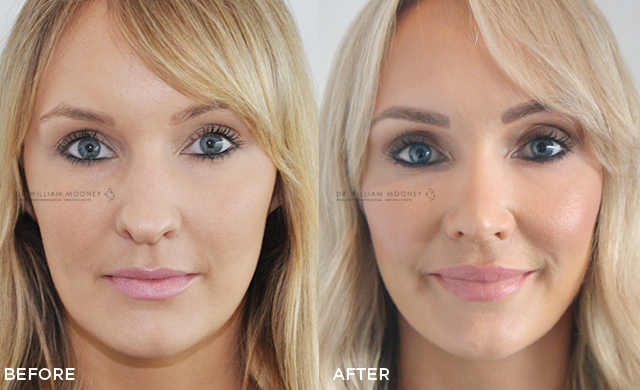
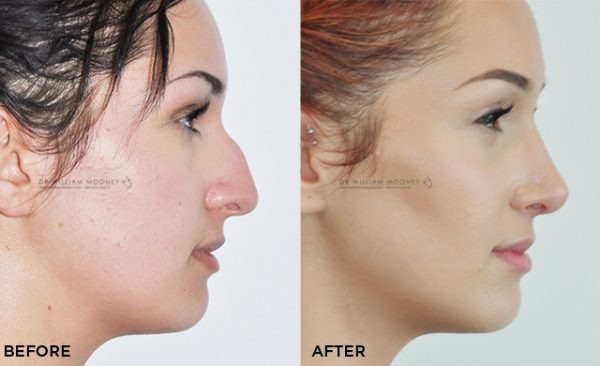
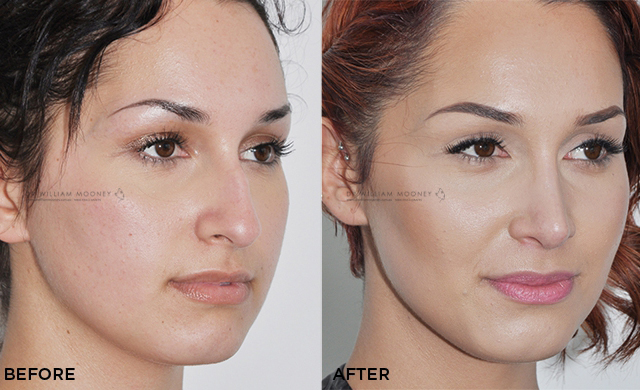
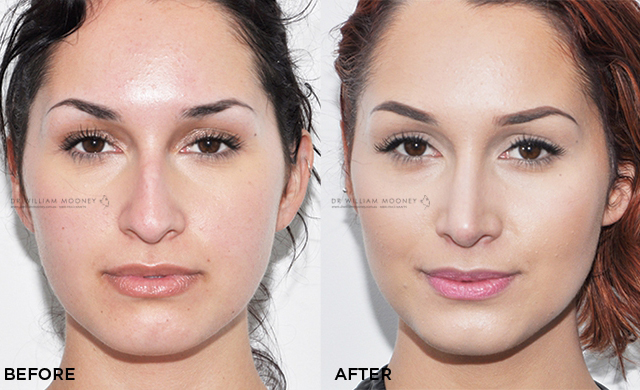
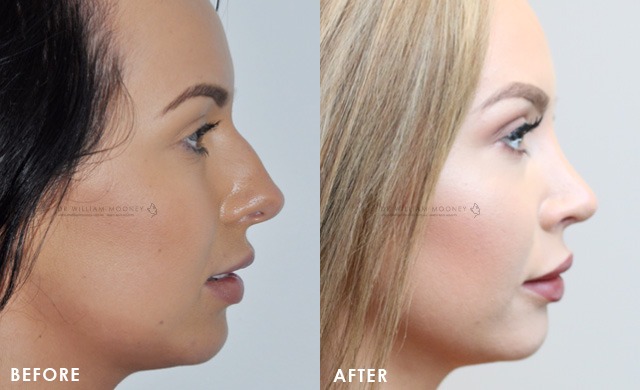
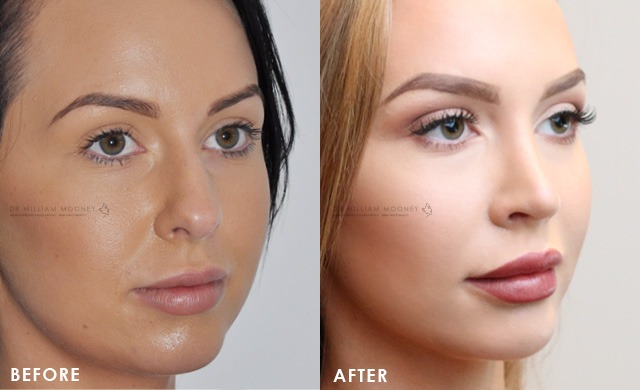
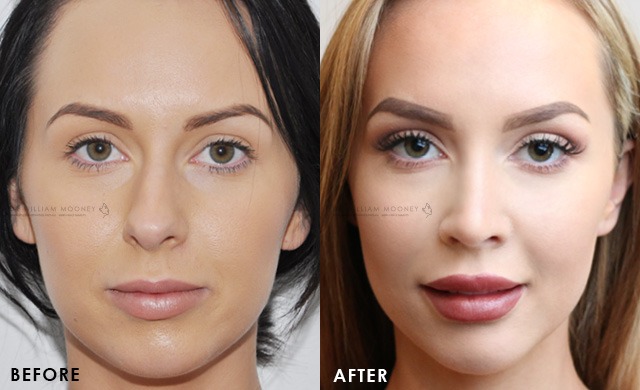
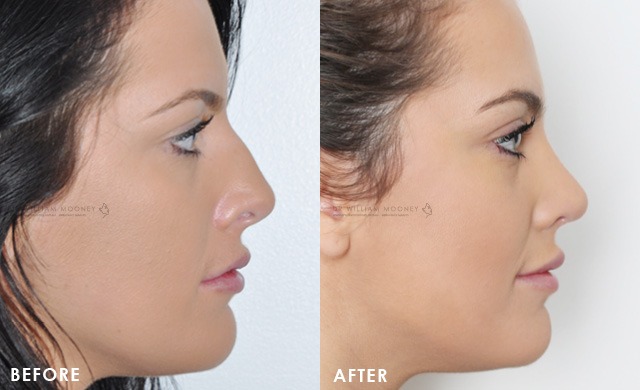
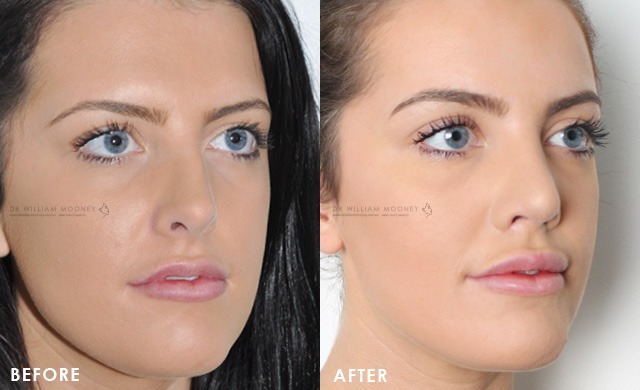
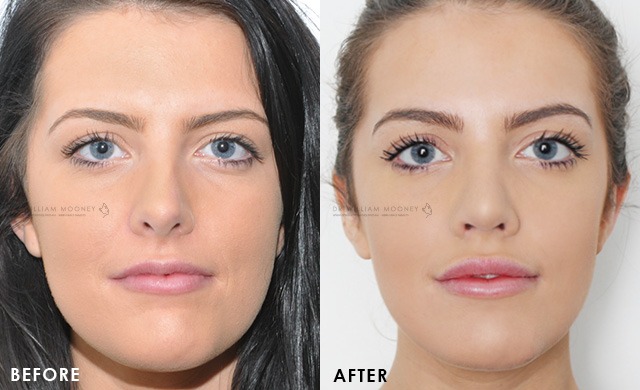
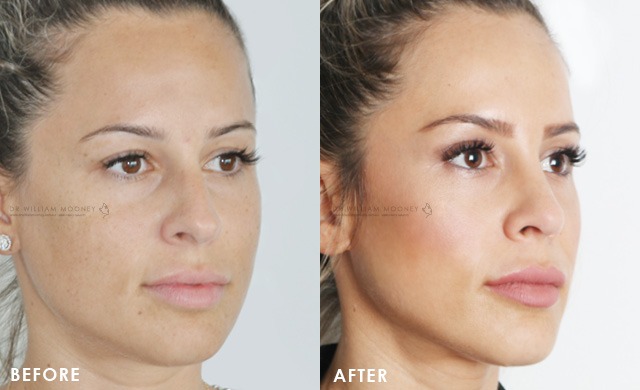
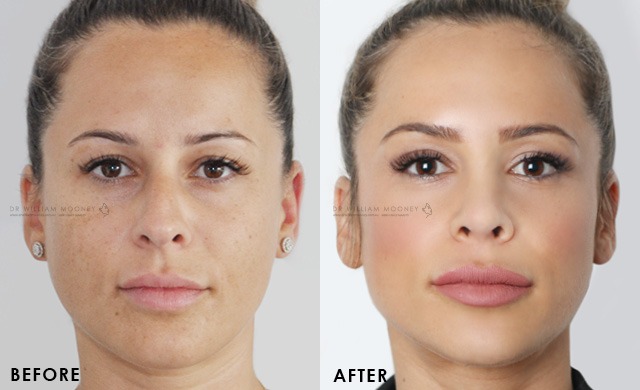
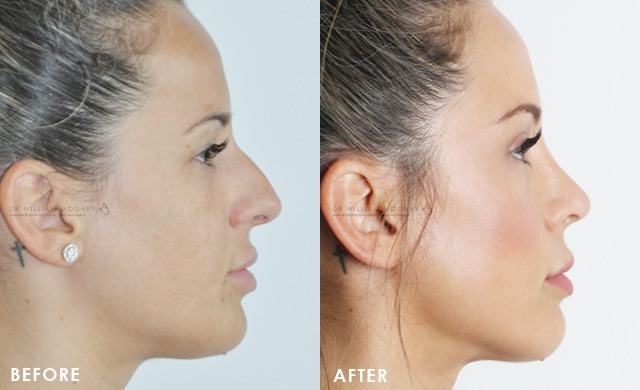
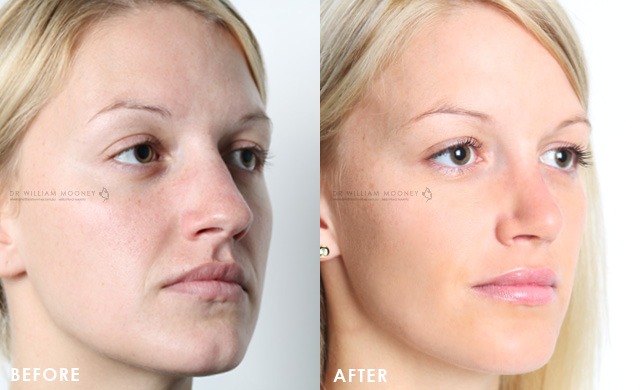
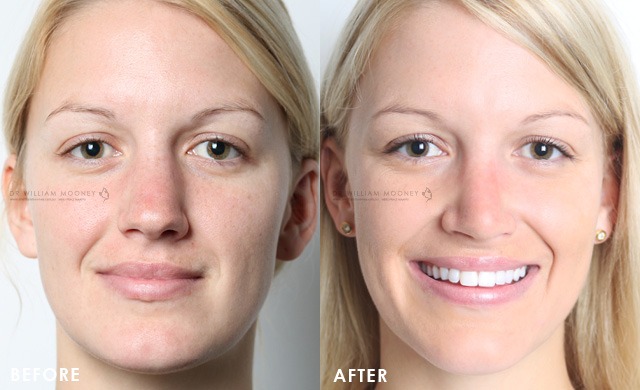
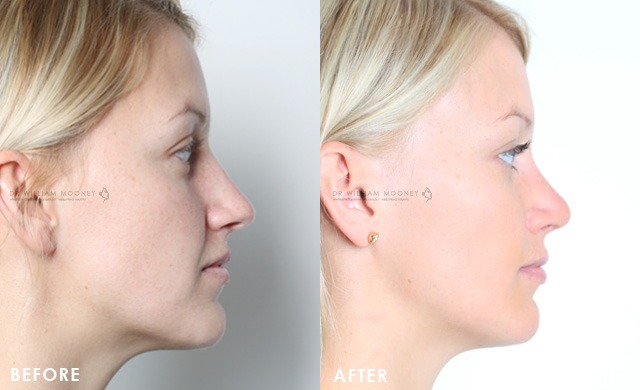
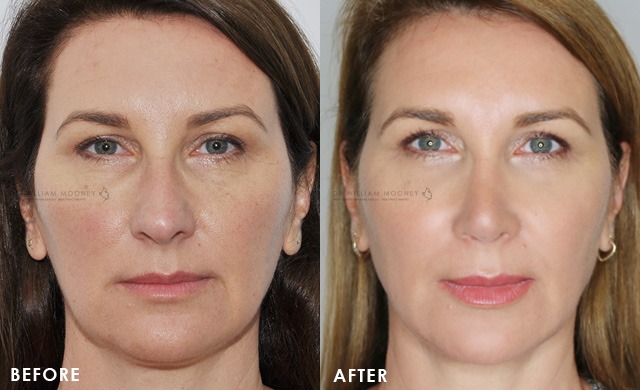
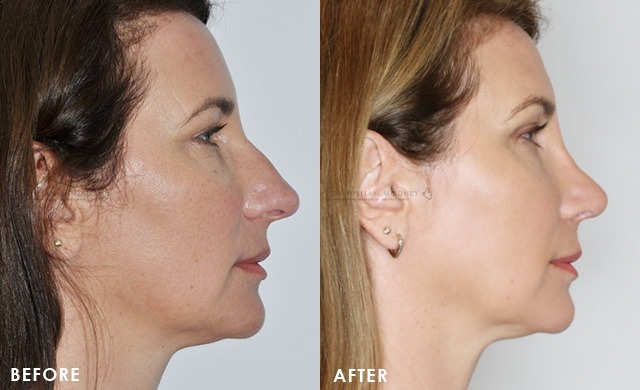
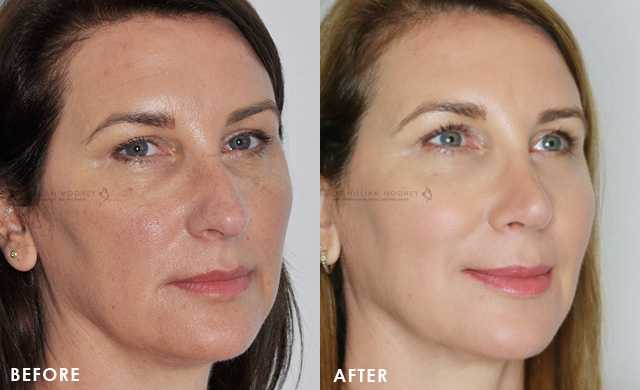
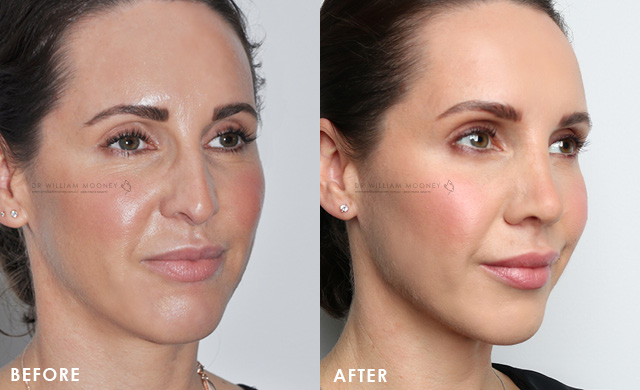
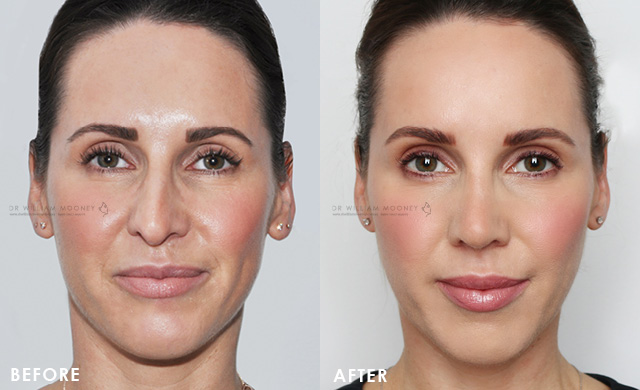
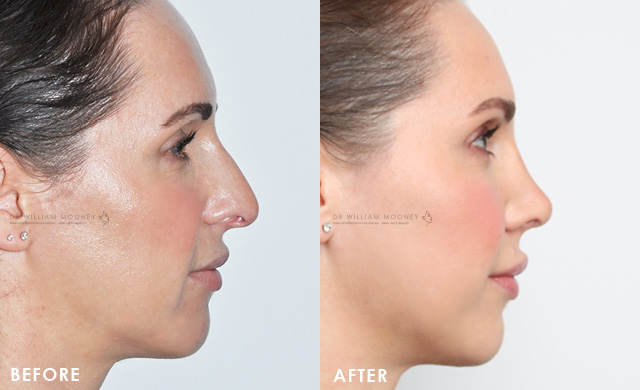
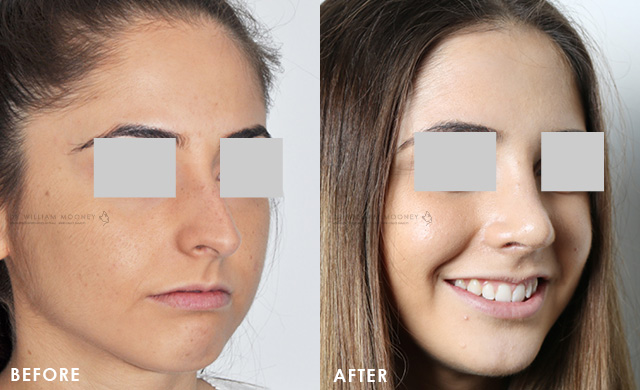
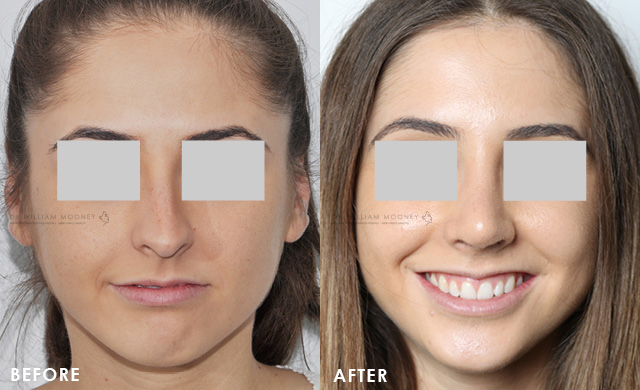
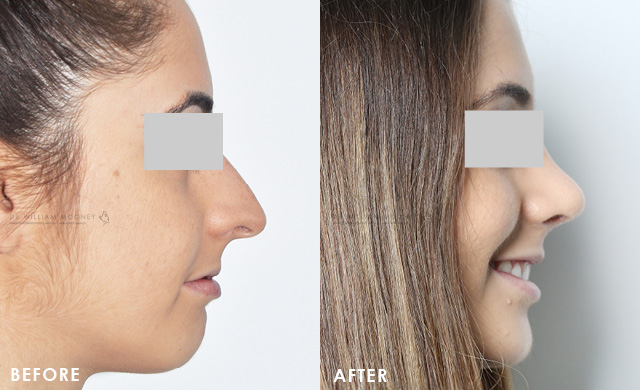
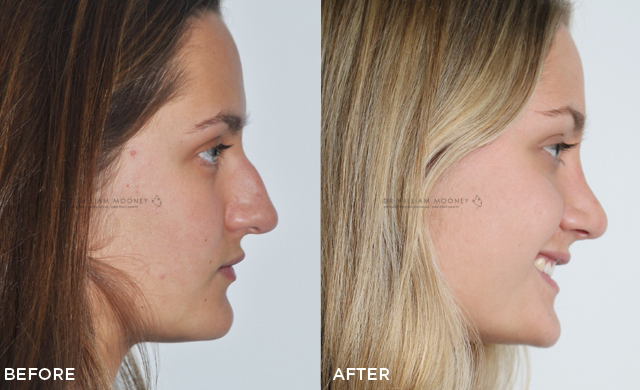
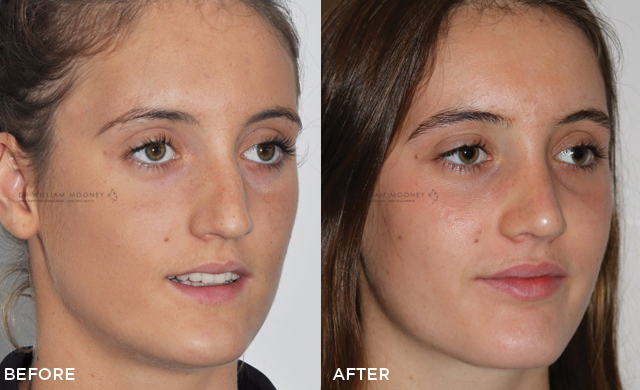
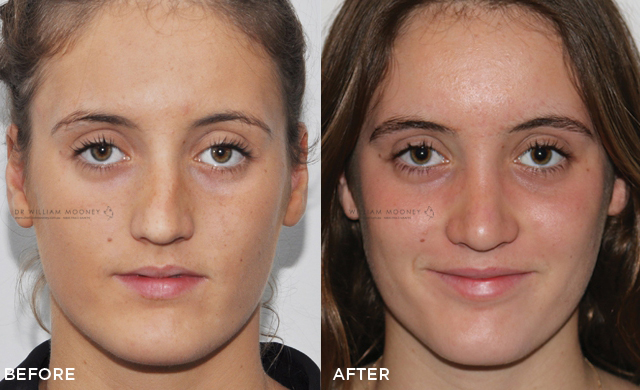
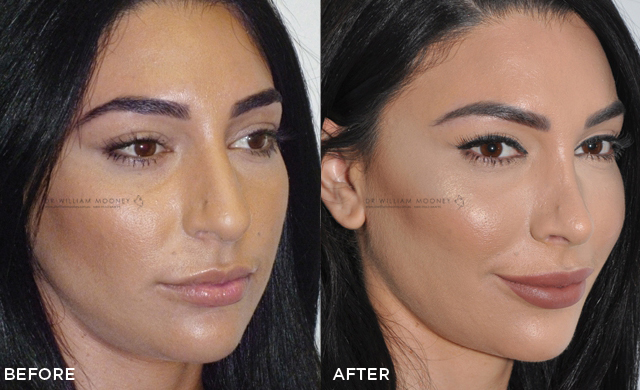
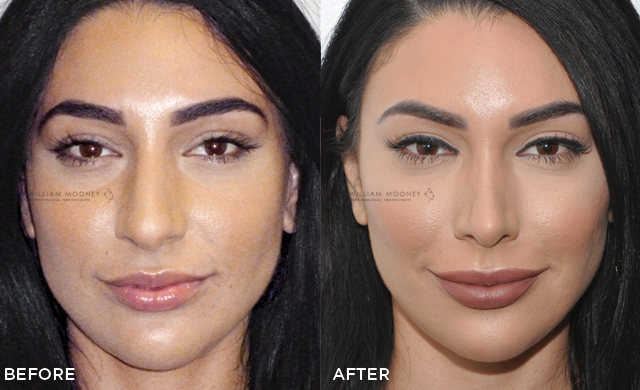
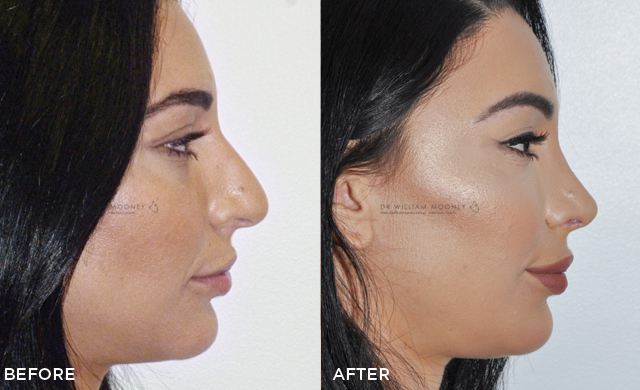
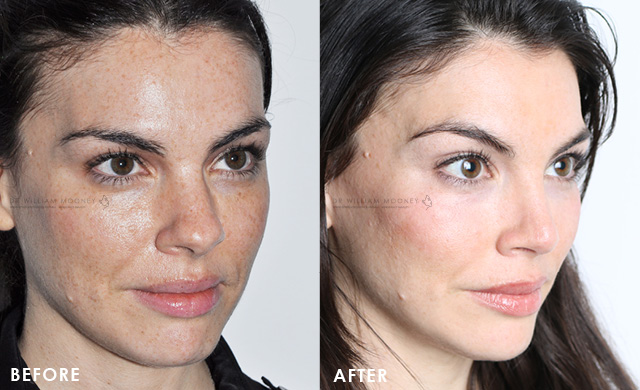
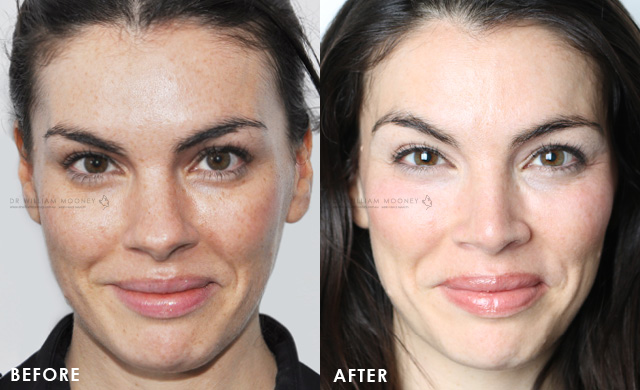
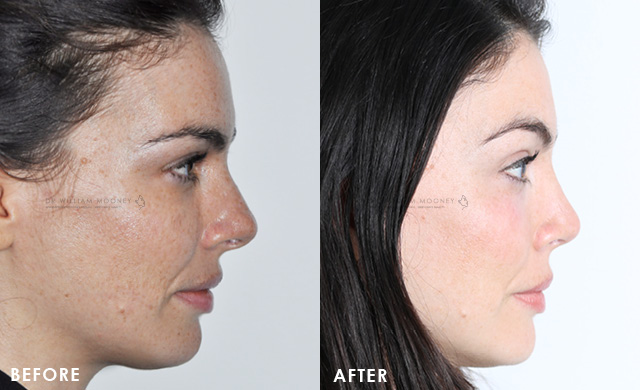
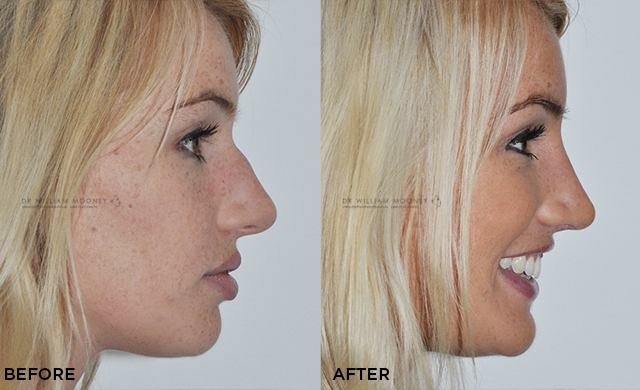
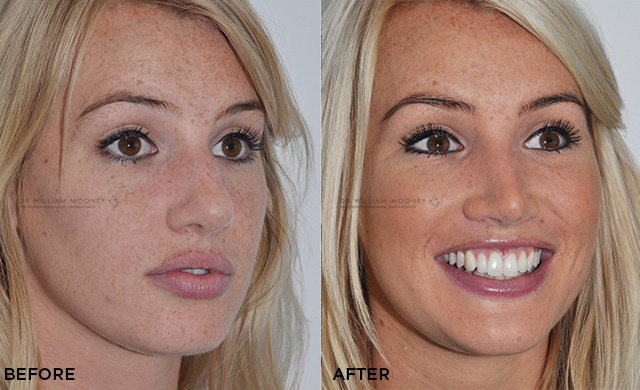
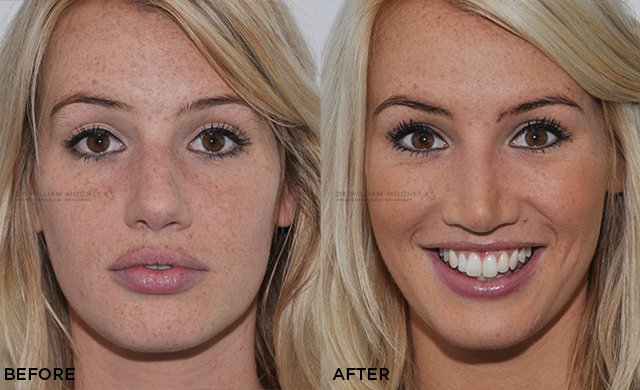
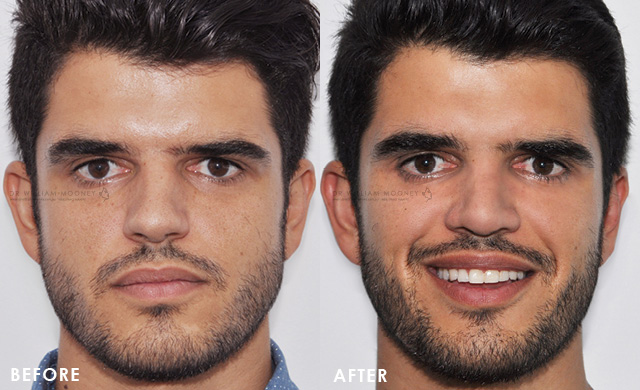
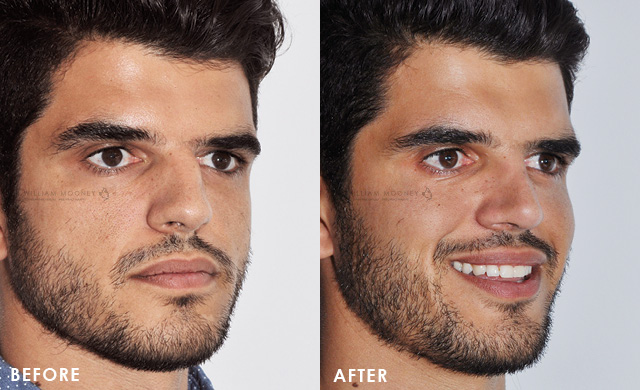
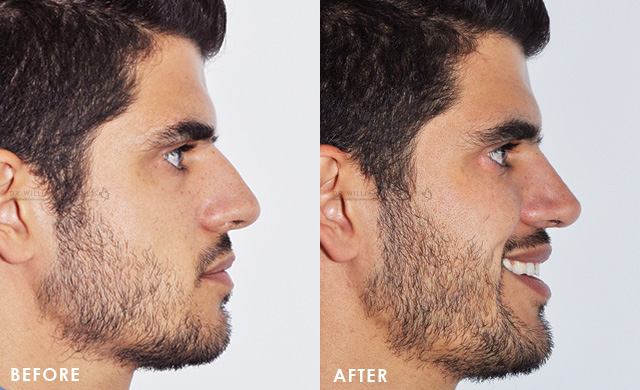
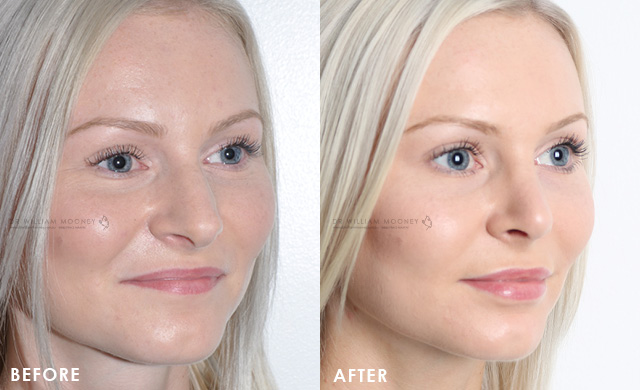
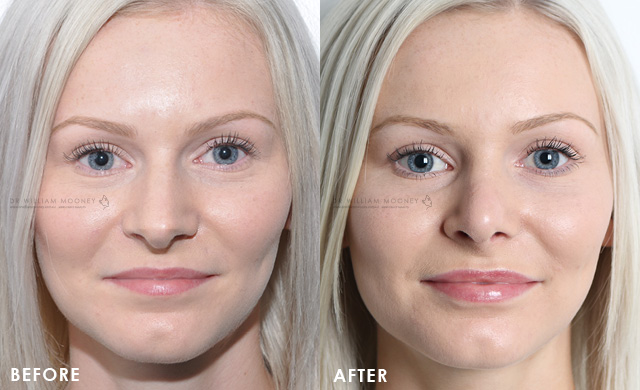
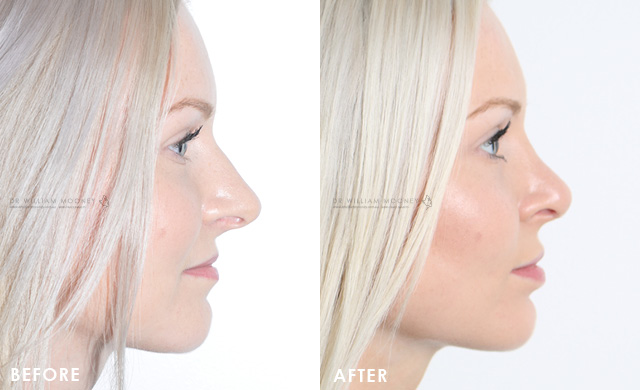
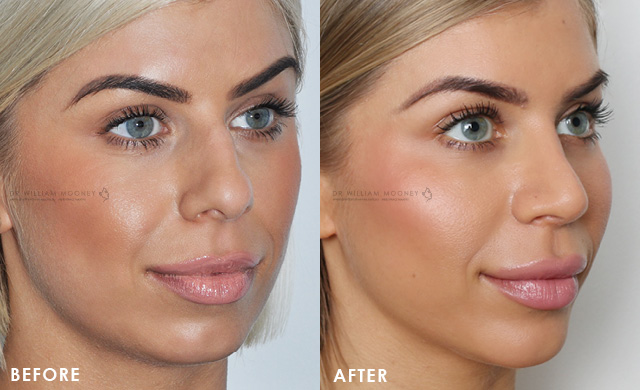
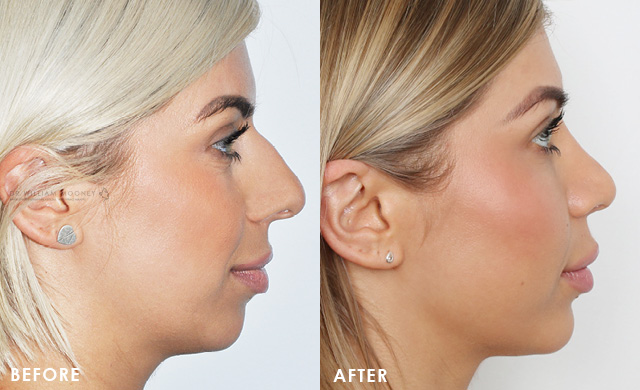
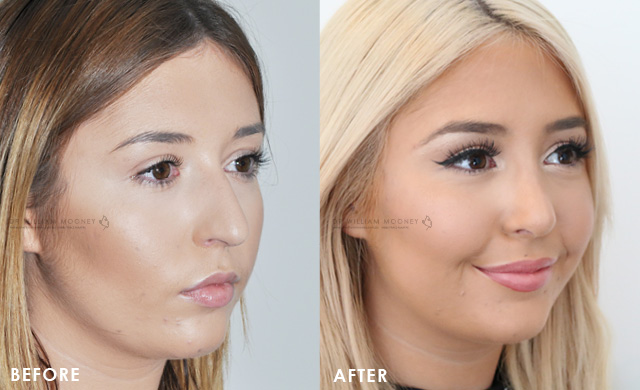
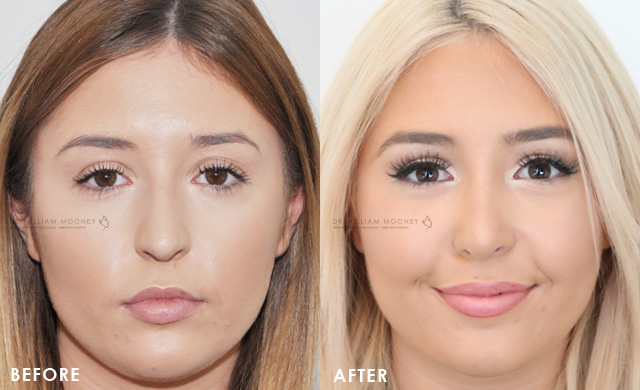
This gentleman was a former professional boxer and presented with severe nasal obstruction and a post traumatic nasal deformity. This was a challenging rhinoplasty case; however, a good nasal airway was achieved, with a significant improvement in nasal peak flow measurements. Images were taken five months post operatively.
Rhinoplasty
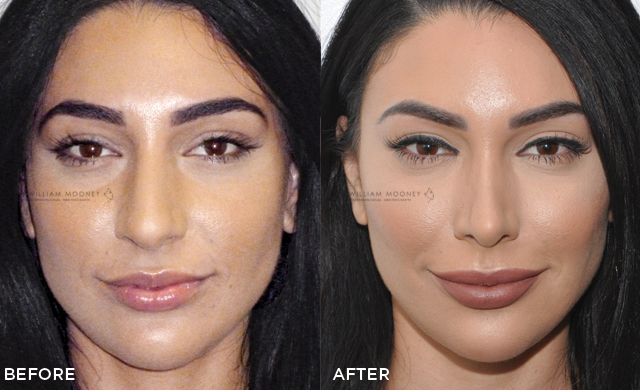
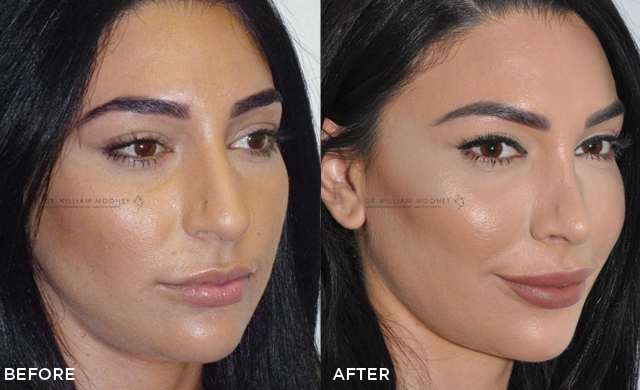
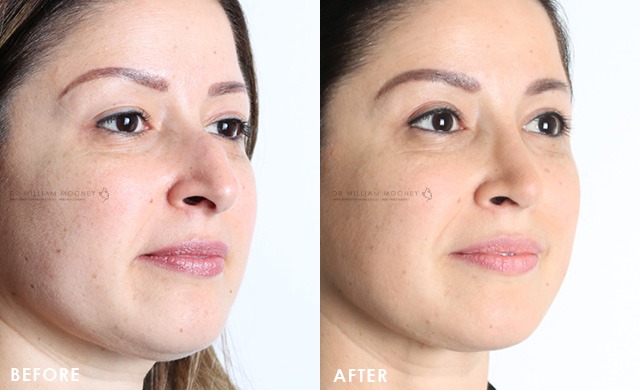
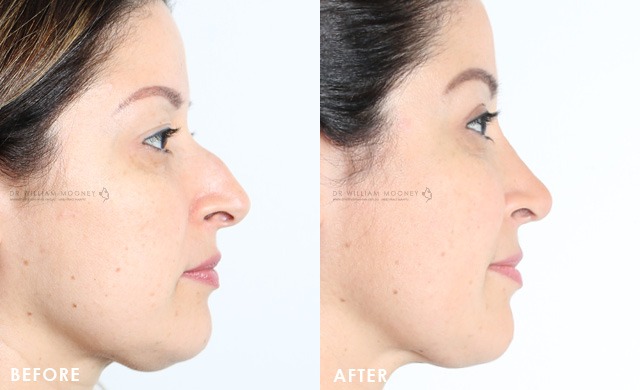
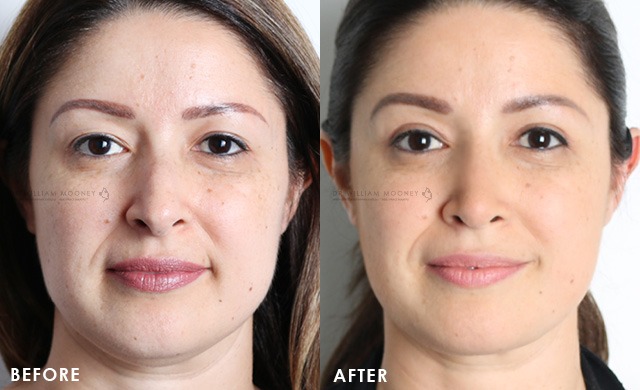
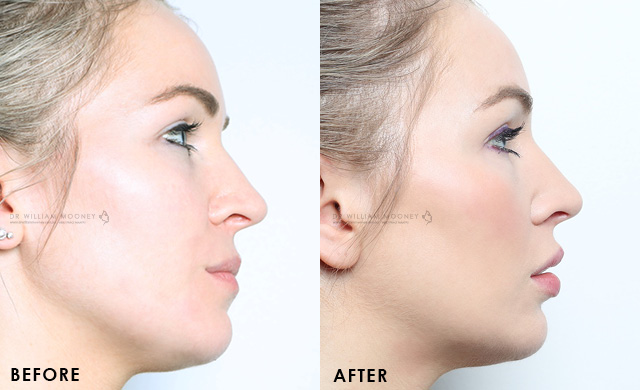
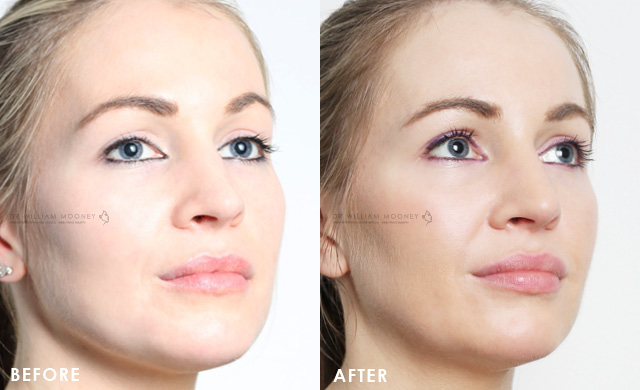
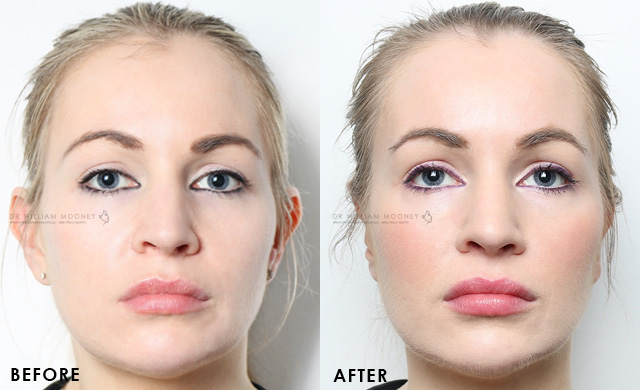
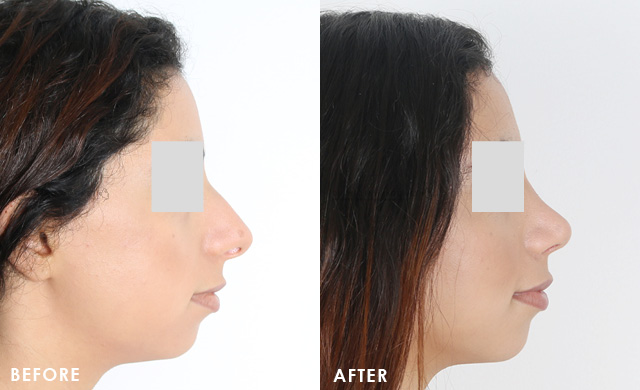
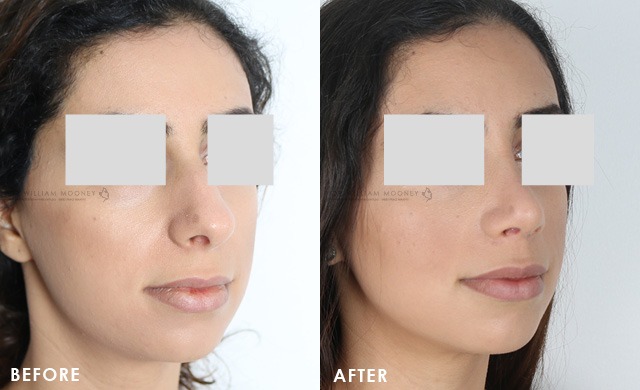
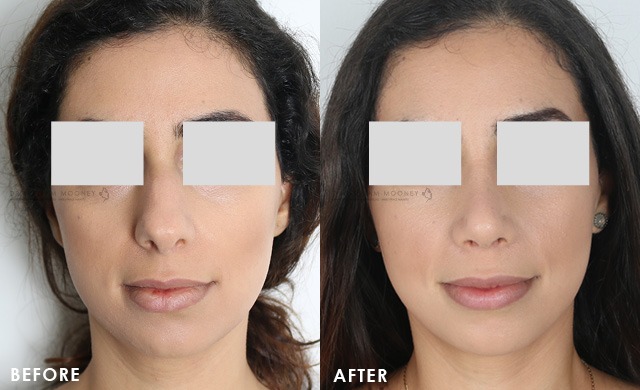
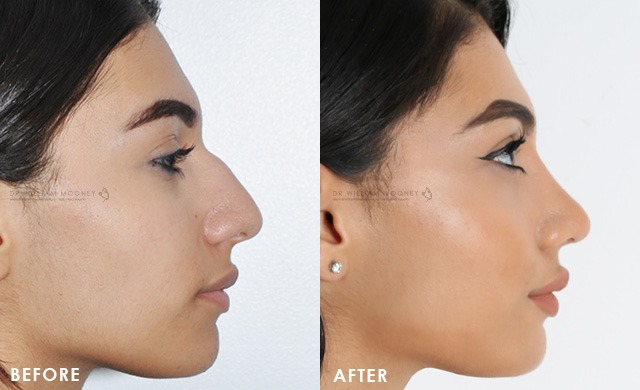
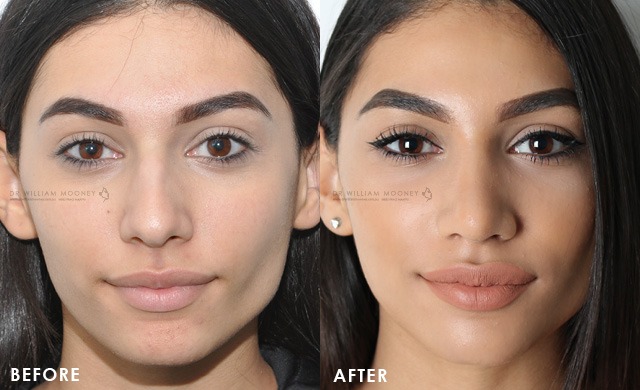
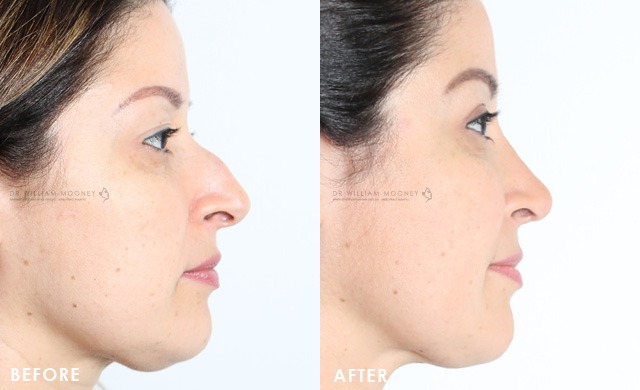
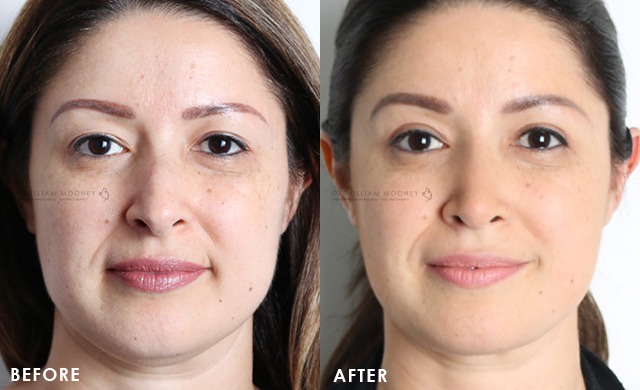
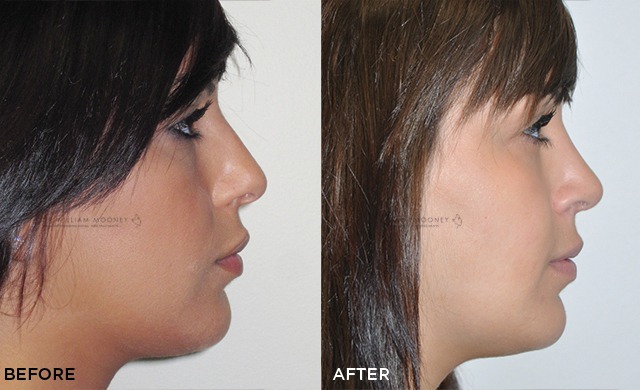
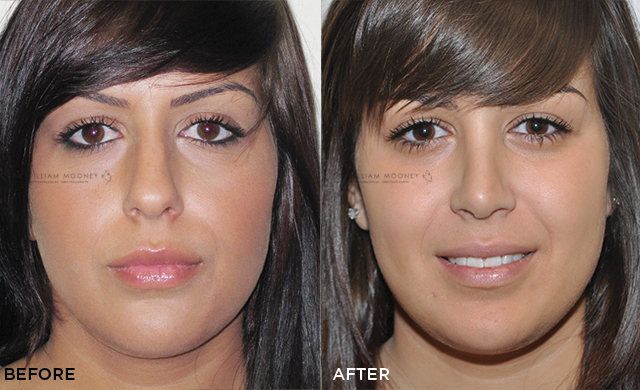
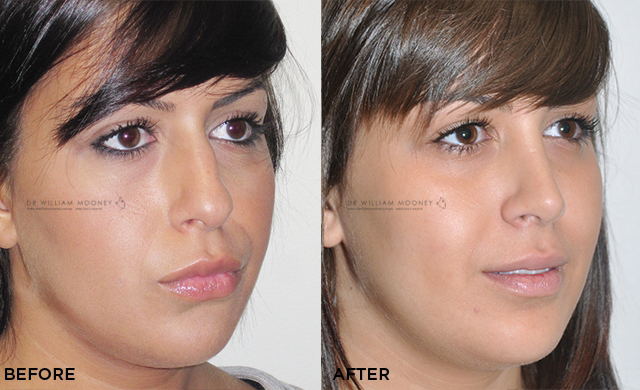
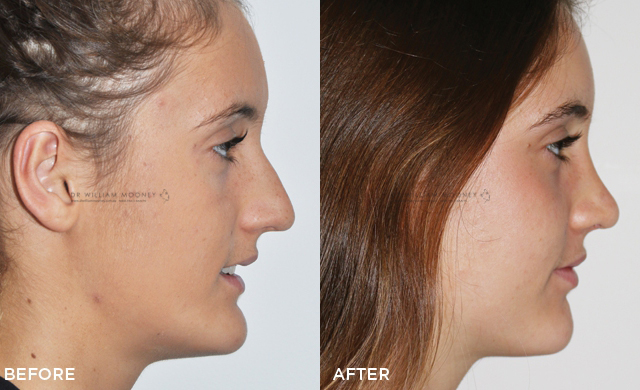
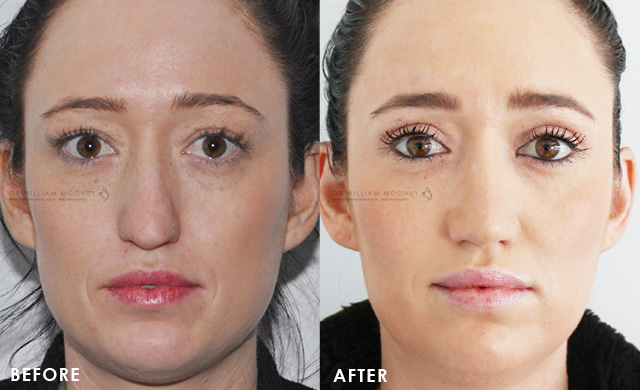
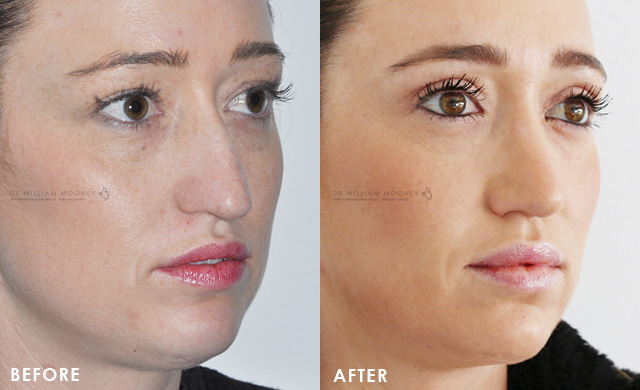
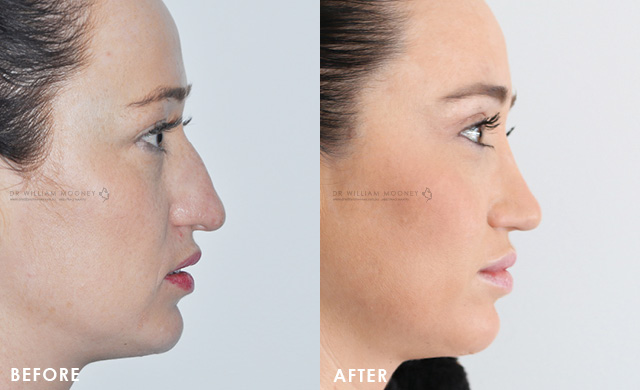
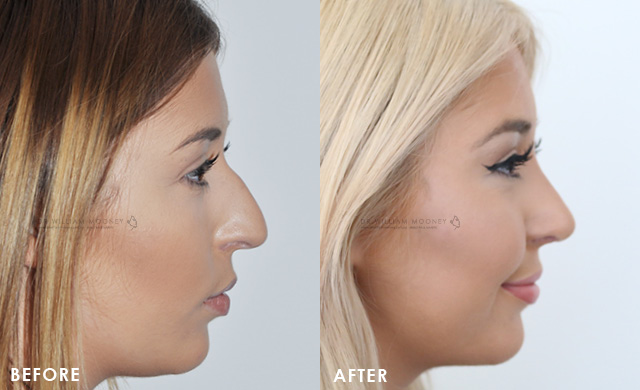
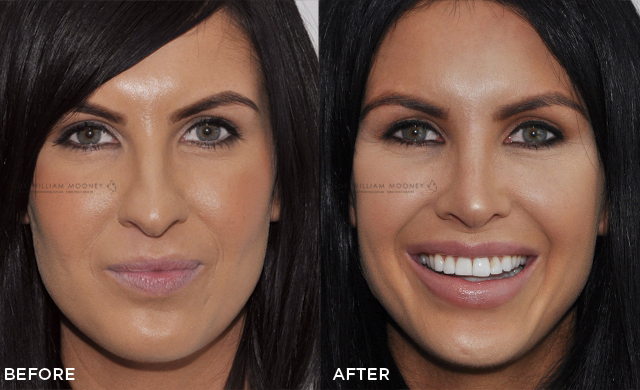
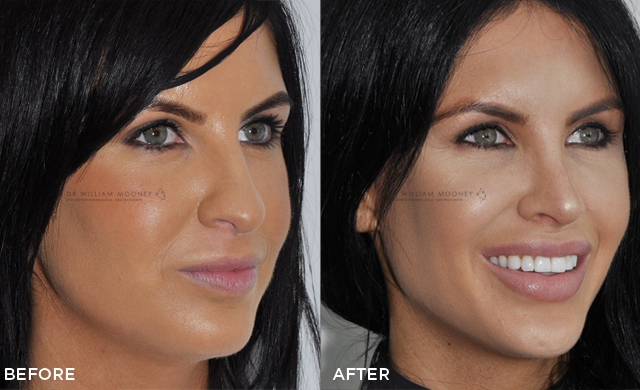
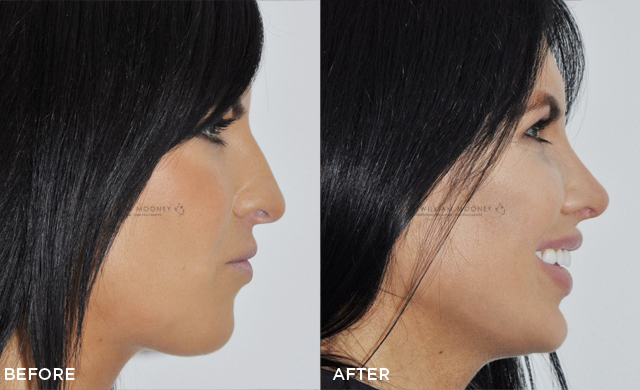
This 40 year old patient did not like the shape of her nose. She felt it was over projected with excessive columellar show. She was treated with open structure septo rhinoplasty, columellar reduction, and a diamond tip technique. Images were taken six months post operatively.
Rhinoplasty
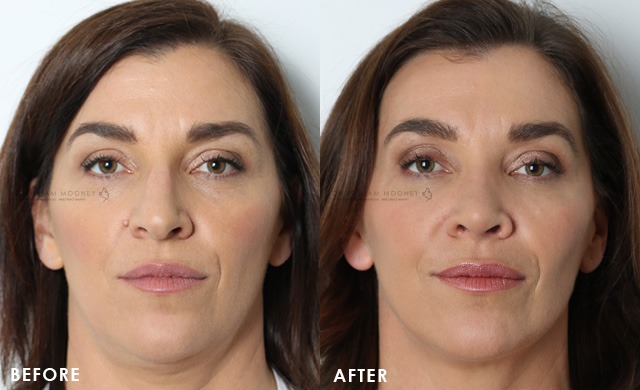
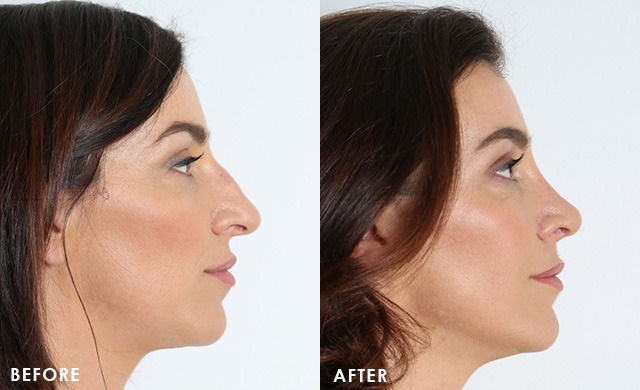
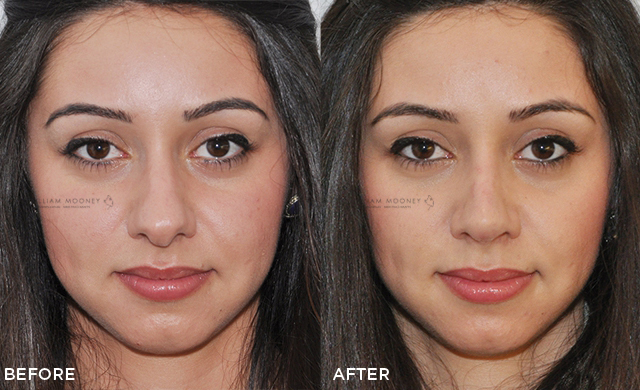
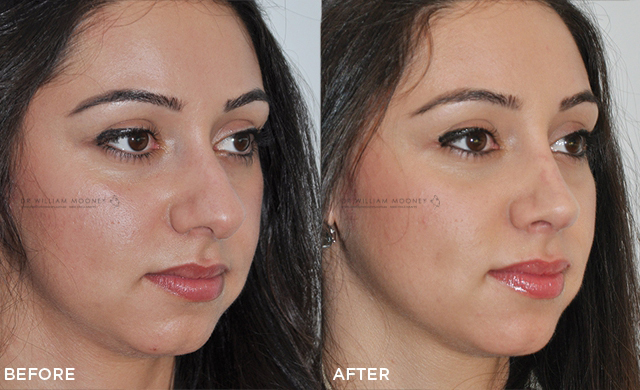
This patient did not like her dorsal hump and felt her tip was over projected. She was treated with open structure septo rhinoplasty, a diamond tip technique, and dorsal hump reduction. Images were taken two months post operatively.
Rhinoplasty
This patient underwent open structure septo rhinoplasty, dorsal hump reduction, and a diamond tip technique for a nose she felt was over projected. Images were taken three months post operatively.
Rhinoplasty
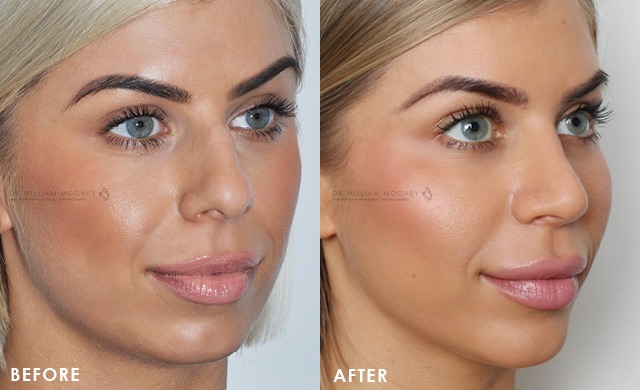
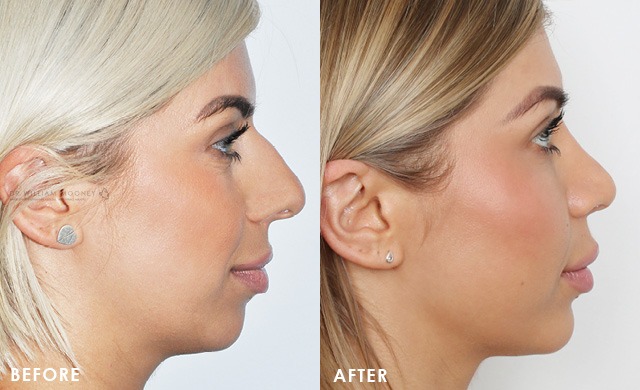
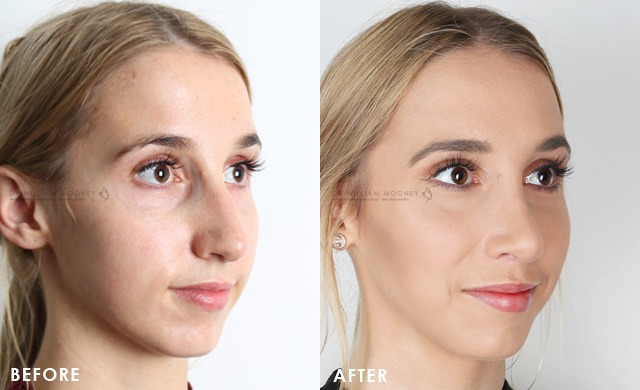
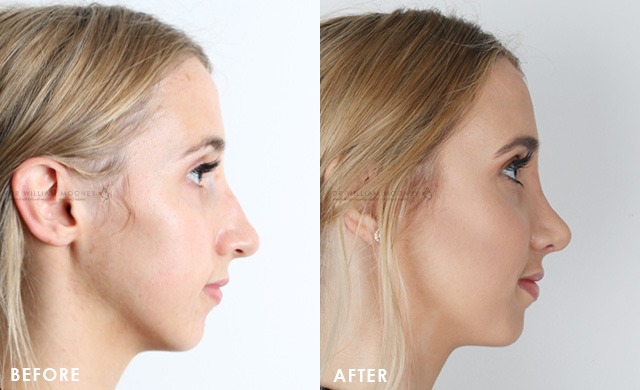
This 32 year old patient primarily did not like the tip of her nose, and she also had a long, low dorsal hump. She was treated with open structure septo rhinoplasty, a diamond tip technique, and septoplasty to improve her nasal airway. Images were taken four months post operatively.
Rhinoplasty
This patient had nasal obstruction and also felt her nose was over projected. She was treated with open structure septo rhinoplasty, turbinate reduction, and tip refinement using a diamond tip technique. Images were taken three months post operatively.
Rhinoplasty
This patient felt she had a dorsal hump and that her tip was ptosed. She was treated with open structure septo rhinoplasty and a diamond tip technique. Images were taken five months post operatively.
Rhinoplasty
There were several features about this patient’s nose that she did not like. She had some nasal obstruction, a ptosed tip, a large dorsal hump, and excessive columellar show. She was treated with open structure septo rhinoplasty, a diamond tip technique, dorsal hump reduction, and meticulous septoplasty. Images were taken four months post operatively.
Rhinoplasty
This patient had sustained significant trauma to her nose, resulting in a notably crooked appearance and significant septal deviation. She also felt it was over projected with a ptosed tip. She was treated with open structure septo rhinoplasty, with particular attention to straightening the septum and returning the nose to the midline. Her nasal airway was significantly improved post operatively. Images were taken five months post operatively.
Rhinoplasty
This patient had an amorphous nasal shape with a poorly defined tip and a long, low dorsal hump. She was treated with open structure septo rhinoplasty, dorsal hump reduction, and tip refinement using a diamond tip technique. Images were taken four months post operatively.
Rhinoplasty
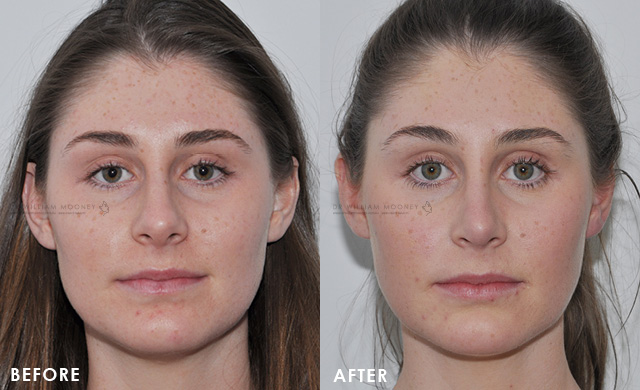
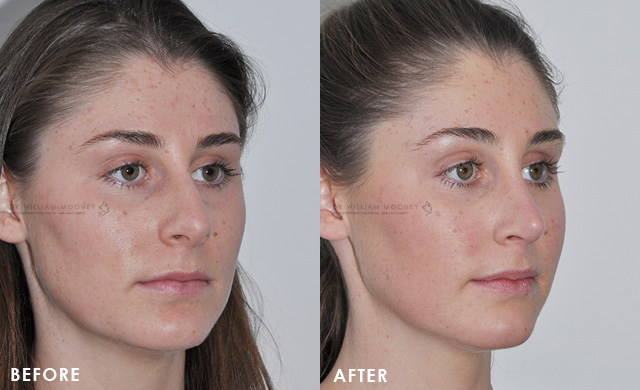
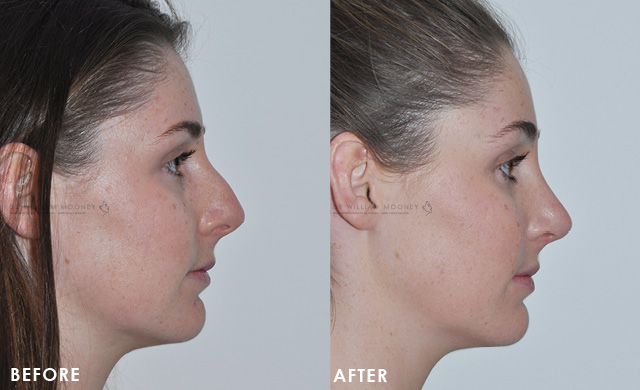
This patient felt her nose was too large for her facial features, was over projected, and she did not like her dorsal hump. She was treated with open structure septo rhinoplasty, a diamond tip technique, and turbinate reduction to improve her nasal airway. Images were taken four months post operatively.
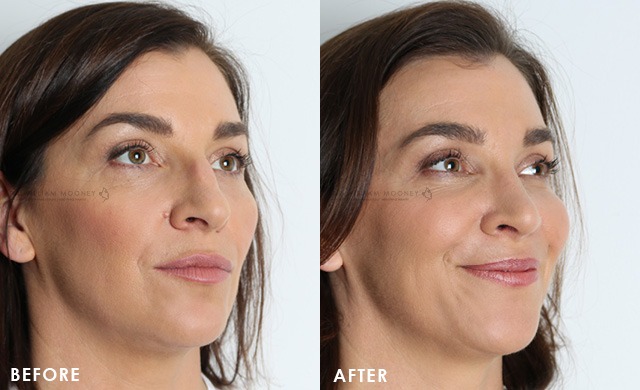
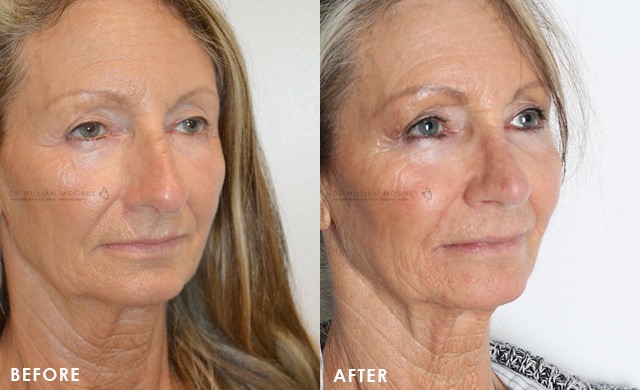
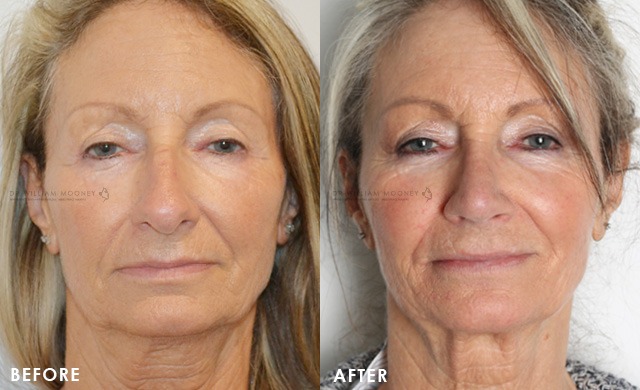
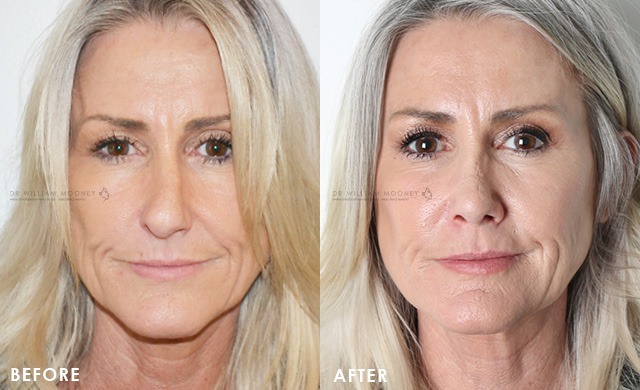
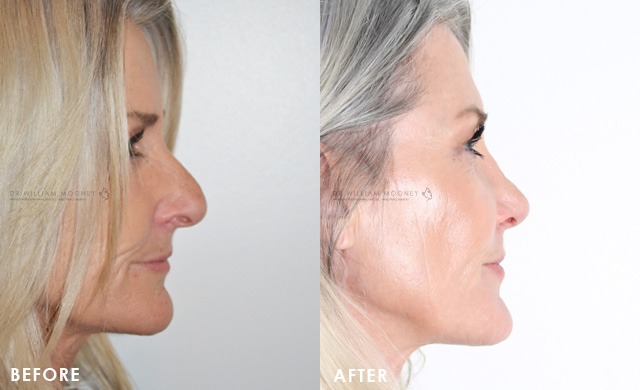
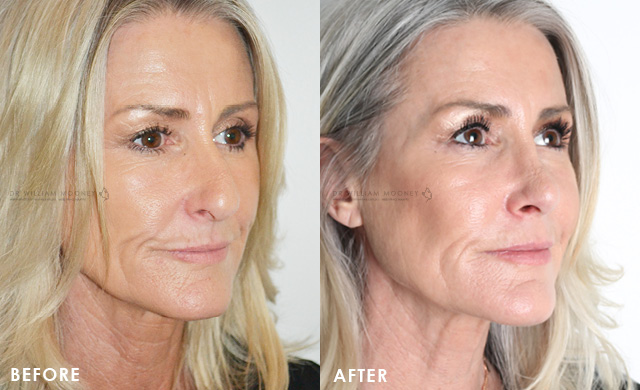
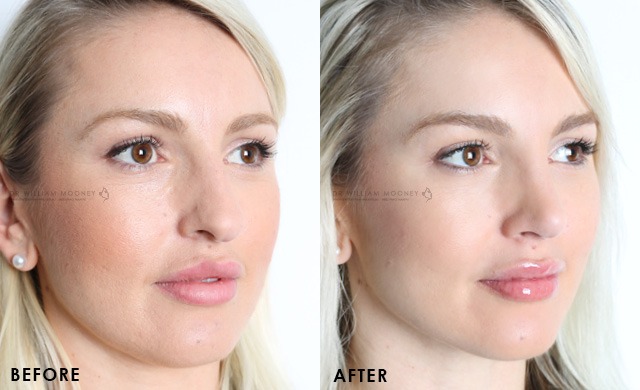
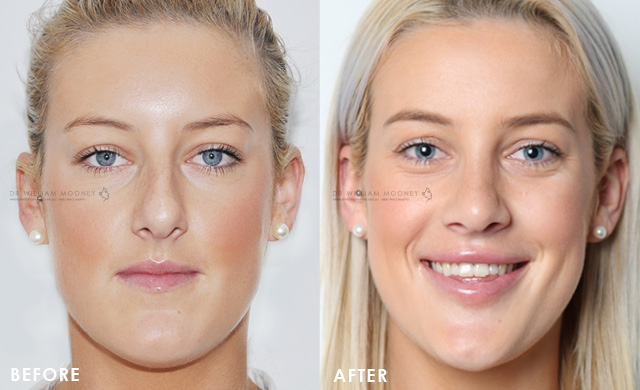
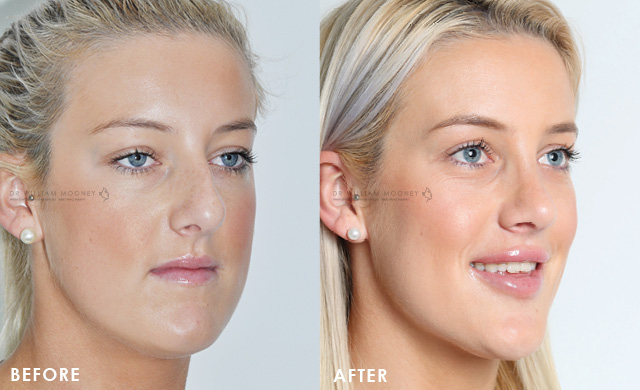
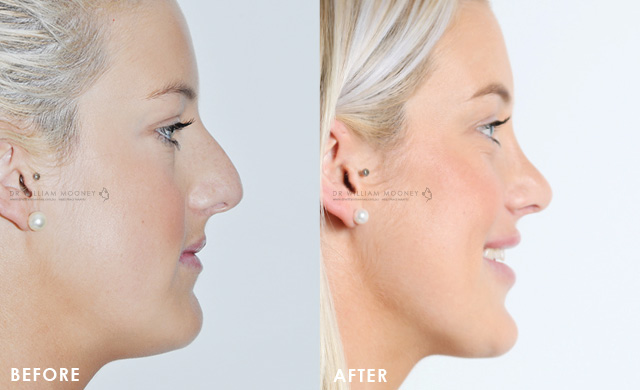
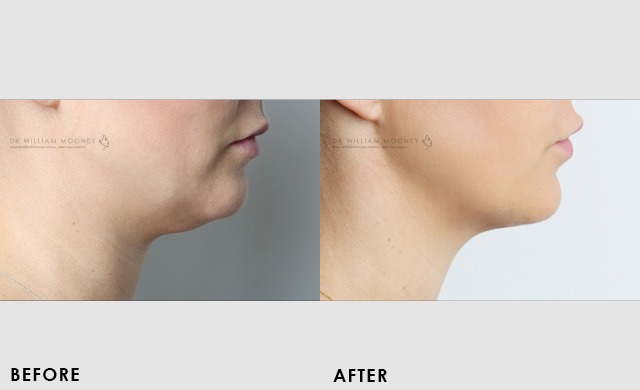
This patient felt her nose was over projected with a dorsal hump. She felt she had significant ptosis of her upper eyelids and also a deposit of fat beneath her chin. She was treated with open structure septo rhinoplasty, including dorsal hump reduction and a diamond tip technique, upper blepharoplasty, and submental liposculpture. Images were taken five months post operatively.
Blepharoplasty
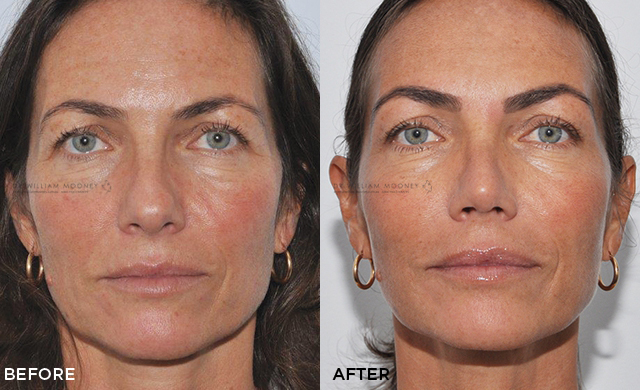
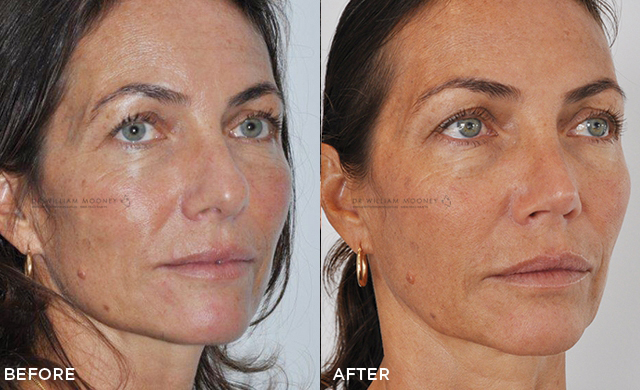
This patient felt she had hooding of her upper eyelids and was treated with upper blepharoplasty. Images were taken two months post operatively.
Blepharoplasty
This patient felt she had significant hooding of her upper eyelids and was treated with upper blepharoplasty. Images were taken one month post operatively.
Rhinoplasty & Chin Augmentation
This 28 year old patient underwent open structure septo rhinoplasty with turbinate reduction to address a combination of nasal obstruction and cosmetic concerns. In particular, she felt her tip was ptosed and her dorsal hump was too prominent. Chin augmentation was also performed using a transoral approach with a medium silastic implant. Images were taken four months post operatively.
Chin Augmentation
This 28 year old patient underwent transoral silastic medium implant chin augmentation, as she felt her chin was too recessive. Images were taken four months post operatively.
Chin Augmentation | Rhinoplasty
This patient felt her nose was over projected, and felt this was made cosmetically worse by an under projected chin. She was treated with a transoral medium silastic chin implant, open structure septo rhinoplasty with dorsal hump reduction, and a diamond tip technique. Images were taken three months post operatively.
Chin Augmentation
This patient felt her chin was deficient. A medium silastic implant was placed using a transoral technique. Images were taken one month post operatively.
Chin Augmentation
This patient underwent non surgical chin augmentation following appropriate consent and cooling off period. One millilitre of hyaluronic acid was used. Images were taken immediately post procedure.
Chin Augmentation & Submental Liposculpture
This patient did not like her chin contour. She felt her chin was under projected and did not like the fatty deposit beneath her chin, which reduced its definition. She was treated with a medium silastic chin implant using an external approach, combined with submental liposculpture. Images were taken three months post operatively.
Closed Rhinoplasty
Non-Surgical Rhinoplasty
This 20 year old patient had cosmetic concerns about her nose. She felt the dorsum was too low, which in turn made the tip appear over projected. Following appropriate consent and cooling off period, she was treated with dorsal, nasolabial, and columellar base augmentation using hyaluronic acid, with a total of 1 ml used. Images were taken one week post procedure.
Non-Surgical Rhinoplasty
This patient did not like her dorsal hump. Following appropriate consent and cooling-off period, she was treated with a total of 1 ml of hyaluronic acid, used specifically to augment the nasion and the middle third of the nose to camouflage the dorsal hump. Images were taken two weeks post procedure.
Non-Surgical Rhinoplasty
This was an interesting case in which the patient had an isolated deficiency in the middle third of her right nasal sidewall, with no history of prior surgery or trauma. Following appropriate consent and cooling off period, the deficiency was treated with 1 ml of hyaluronic acid. Images were taken one week post procedure.
Non-Surgical Rhinoplasty
This was a relatively straightforward revision rhinoplasty case following surgery performed elsewhere. The patient had a dorsal deficiency, which was treated with an autologous crushed septal cartilage graft, with an immediate improvement in contour. Images were taken five months post operatively.
Non-Surgical Rhinoplasty
This patient did not like the cosmetic contour of her nose. Following appropriate consent and cooling off period, she was treated with non surgical rhinoplasty. Hyaluronic acid was used to augment the nasion, the tip, and the columellar base, with a total of 1 ml used. Images were taken two weeks post procedure.
Otoplasty
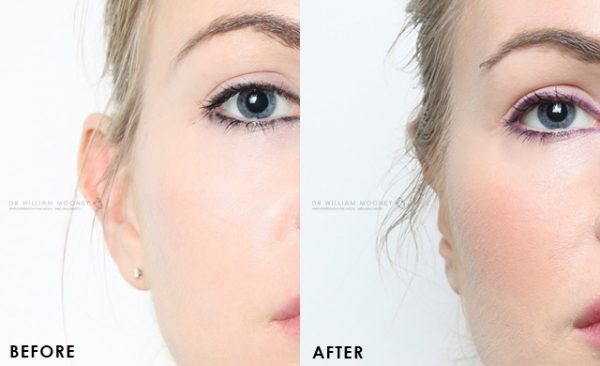
This patient had two features contributing to ear over projection: a deep conchal bowl and an unfurled anti helix. She underwent otoplasty addressing both of these features. Images were taken two months post-operatively.
Otoplasty
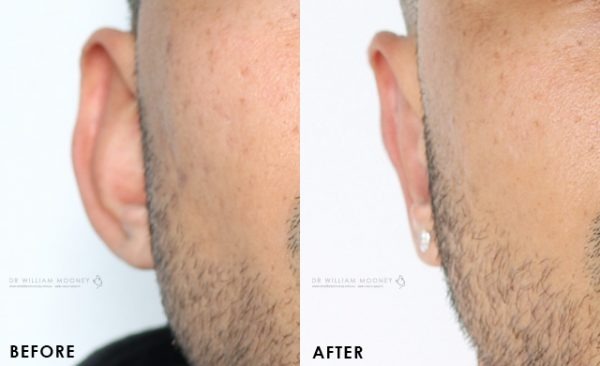
This male patient had a deep conchal bowl. He was treated with otoplasty to reduce this conchal over projection. Images were taken two months post operatively.
Revision Rhinoplasty
This was a challenging revision case involving significant nasal deformity. The patient had previously undergone a Goldman tip procedure elsewhere, which had resulted in alar collapse and a bulbous tip. She was treated with total tip reconstruction, recreating the tripod of the nasal tip using autologous septal cartilage. Images were taken three months post operatively.
Revision Rhinoplasty
This patient presented primarily with concerns following previous rhinoplasty performed elsewhere. She had tip irregularities, excessive columellar show, and some alar collapse. She was treated with open structure septo rhinoplasty; the dorsum was refined, and the nasal tip was reconstructed using a diamond tip technique and autologous septal cartilage. Images were taken three months post operatively.
Rhinoplasty
This 32 year old gentleman had primarily cosmetic concerns about his nose. He felt his dorsal height was too high and his nose was too prominent for his face. He also had a mildly deviated septum and was treated with open structure septo rhinoplasty, including a diamond tip technique and spreader grafts. Images were taken three months post operatively.
Rhinoplasty
This 23 year old patient had concerns about both form and function. She had a deviated septum and, cosmetically, felt her nose was over projected and too large, and she did not like the degree of columellar show. She was treated with open structure septo rhinoplasty, dorsal reduction, a diamond tip technique, and septo plasty. Images were taken three months post operatively.
Rhinoplasty
This patient felt her nose was too large for her facial features. She did not like the fullness of her tip or her dorsal hump. She was treated with open structure septo rhinoplasty, a diamond tip technique, dorsal hump reduction, septoplasty, and spreader grafts. Images were taken two months post operatively.
Rhinoplasty
This 24 year old patient had a nose that was over projected with a large dorsal hump. She was treated with open structure septo rhinoplasty, a diamond tip technique, dorsal hump reduction, spreader grafts, and alar rim grafting. Septoplasty and turbinate reduction were also performed to improve her nasal airway. Chin augmentation was performed concurrently. Images were taken five months post operatively.
Rhinoplasty
This 48 year old patient felt her nose was over projected and too large. She felt she had a ptosed tip, excessive columellar show, and a dorsal hump. She was treated with open structure septo rhinoplasty, columellar reduction, dorsal hump reduction, septoplasty, and turbinoplasty. Images were taken four months post operatively.
Rhinoplasty
This 32 year old patient was concerned about her nose. In particular, she felt she had a dorsal hump and did not like the shape of her tip. She also had some nasal obstruction. She was treated with septo rhinoplasty, turbinate reduction, a diamond tip technique, and dorsal hump reduction. Images were taken three months post operatively.
Rhinoplasty
This 44 year old gentleman had sustained significant trauma to his nose and presented with nasal obstruction alongside cosmetic concerns. He was treated with open structure septo rhinoplasty to reduce the overall size of his nose, straighten the septum, improve the nasal airway, and refine his tip. Images were taken six months post operatively.
Rhinoplasty
This patient did not like the dorsal hump on her nose and felt it was over projected. She was treated with open structure septo rhinoplasty, dorsal hump reduction, and tip reduction using a diamond tip technique, as well as septoplasty and turbinate reduction. Images were taken four months post operatively.
Rhinoplasty
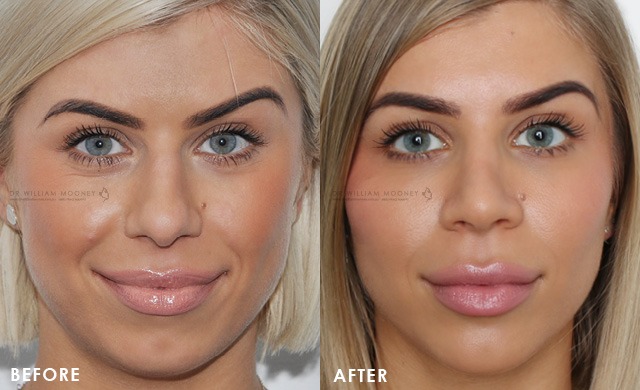
This 26 year old patient did not like the size and projection of her nose. She also felt her tip pointed downwards. She was treated with open structure septo rhinoplasty to reduce the overall size of her nose and refine the tip. Images were taken five months post operatively.
Rhinoplasty
This patient felt her tip was under projected and that, combined with a dorsal hump, gave her nose a displeasing contour. She was treated with a diamond tip technique for tip augmentation and dorsal hump reduction. Images were taken four months post operatively.
Rhinoplasty & Chin Augmentation
This 28 year old patient underwent open structure septo rhinoplasty with turbinate reduction to address a combination of nasal obstruction and cosmetic concerns. In particular, she felt her tip was ptosed and her dorsal hump was too prominent. Chin augmentation was also performed using a transoral approach with a medium silastic implant. Images were taken four months post operatively.
Rhinoplasty
This patient had primarily cosmetic concerns about her nose. She felt her nostrils were flared, her tip pointed downwards, and she did not like her dorsal hump. She was treated with open structure septo rhinoplasty, dorsal hump reduction, a diamond tip technique, and alar rim grafting. Images were taken five months post operatively.
Rhinoplasty
This 24 year old patient underwent open structure septo rhinoplasty, including dorsal hump reduction, a diamond tip technique, and alar rim grafting. She had both functional and cosmetic concerns about her nose, and septoplasty was therefore performed alongside turbinate reduction. Images were taken three months post operatively.
Rhinoplasty
This 62 year old patient did not like her nose. She felt her tip pointed downwards, she had a large dorsal hump, and she also had poor nasal function. She was treated with open structure septo rhinoplasty, a diamond tip technique, and dorsal hump reduction. Images were taken five months post operatively.
Rhinoplasty
This 38 year old patient had concerns about her nose. She felt it did not aesthetically suit her facial features, citing a dorsal hump and an over-projected tip. She was treated with open structure septo rhinoplasty, dorsal hump reduction, and a diamond tip technique. Images were taken two months post operatively.
Rhinoplasty
This patient had what is described as a ‘tension nose’. Her nose was over projected at the tip, she had a dorsal hump, and the columellar angle was effaced. She was treated with open structure septorhinoplasty to reduce the dorsal hump, recreate the columellar angle, and refine the tip using a diamond tip technique. Images were taken two months post operatively.
Rhinoplasty
This patient presented with a nose she felt was ‘too sharp and prominent’ for her facial features. She did not like her tip pointing downwards or her dorsal hump. She was treated with open structure septorhinoplasty and a diamond tip technique. Images were taken three months post operatively.
Rhinoplasty
This patient did not like her nose cosmetically or functionally; her nasal airway was compromised and she found the overall shape of her nose displeasing. She was treated with open structure septo rhinoplasty, a diamond tip technique, dorsal hump reduction, and septoplasty to improve her nasal airway. Images were taken two months post operatively.
Rhinoplasty
This patient did not like the size of her nose, the dorsal hump, or the degree of columellar show. She was treated with septo rhinoplasty, including caudal septal reduction and a diamond tip technique. Images were taken four months post operatively.
Chin Augmentation & Rhinoplasty
This patient felt her nose was over projected, and felt this was made cosmetically worse by an under projected chin. She was treated with a transoral medium silastic chin implant, open structure septo rhinoplasty with dorsal hump reduction, and a diamond tip technique. Images were taken three months post operatively.
Rhinoplasty
This patient felt her dorsal hump and the over projection of her nose were problematic. She was treated with open structure septo rhinoplasty, dorsal hump reduction, and a diamond tip technique. Images were taken six months post operatively.
Rhinoplasty
This patient felt her nose was too large for her face and that the tip was bulbous and over projected. She was treated with open structure septo rhinoplasty, including dorsal hump reduction and a diamond tip technique, as well as septoplasty to improve her nasal airway. Images were taken six months post operatively.
Rhinoplasty
This gentleman was a former professional boxer and presented with severe nasal obstruction and a post traumatic nasal deformity. This was a challenging rhinoplasty case; however, a good nasal airway was achieved, with a significant improvement in nasal peak flow measurements. Images were taken five months post operatively.
Rhinoplasty
This 28 year old patient felt her nose was too large and over projected, and did not like her dorsal hump. She was treated with open structure septo rhinoplasty, a diamond tip technique, and dorsal hump reduction. Images were taken three months post operatively.
Rhinoplasty
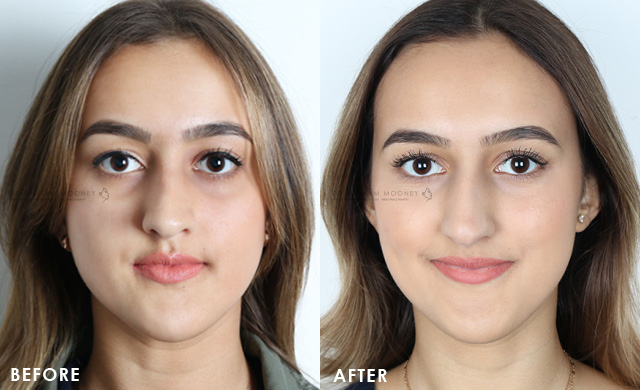
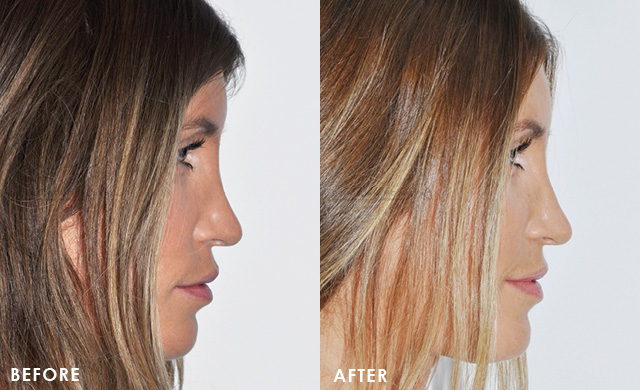
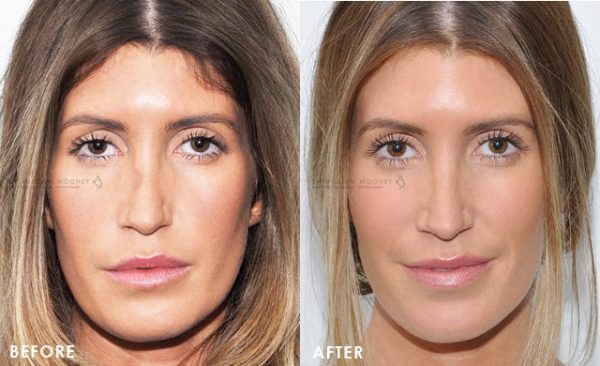
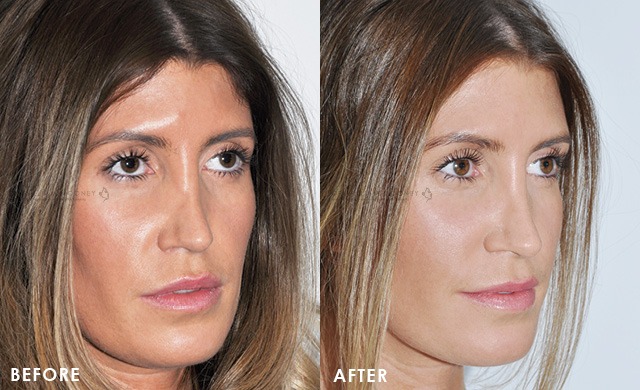
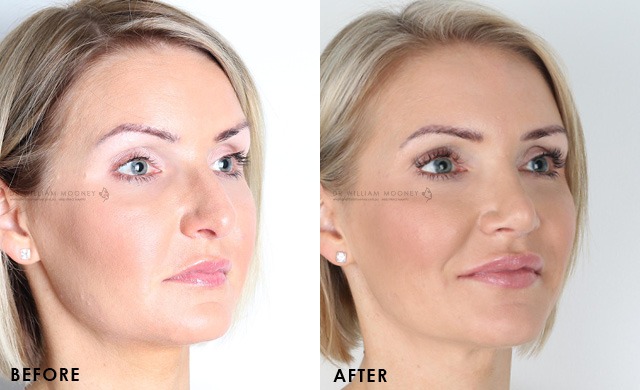
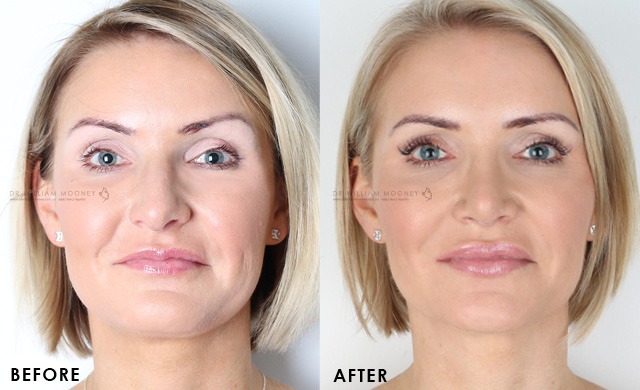
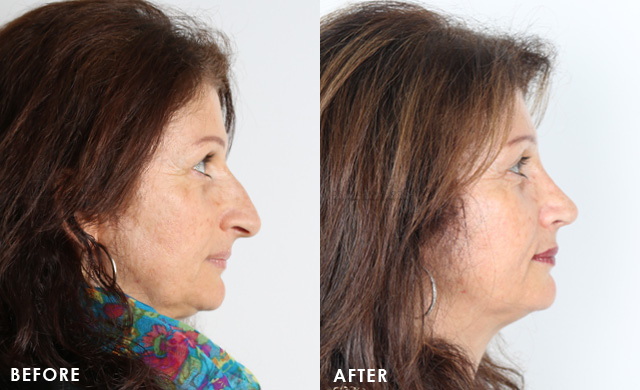
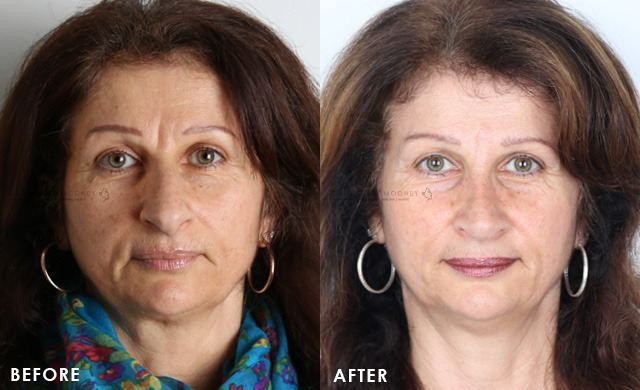
This 40 year old patient did not like the shape of her nose. She felt it was over projected with excessive columellar show. She was treated with open structure septo rhinoplasty, columellar reduction, and a diamond tip technique. Images were taken six months post operatively.
Rhinoplasty
This gentleman had nasal obstruction and also did not like his dorsal hump. He was treated with open structure septo rhinoplasty and a diamond tip technique. Images were taken four months post operatively.
Rhinoplasty
This patient had a dorsal hump and an over projected tip. She was treated with open structure septo rhinoplasty and a diamond tip technique. Images were taken three months post operatively.
Rhinoplasty
This patient did not like her dorsal hump or her flared nostrils. She was treated with open structure septo rhinoplasty, a diamond tip technique, and alar rim grafts. Images were taken two months post operatively.
This patient felt her nose was over projected with a dorsal hump. She felt she had significant ptosis of her upper eyelids and also a deposit of fat beneath her chin. She was treated with open structure septo rhinoplasty, including dorsal hump reduction and a diamond tip technique, upper blepharoplasty, and submental liposculpture. Images were taken five months post operatively.
Rhinoplasty
This 55 year old patient did not like the contour of her nose. In particular, she felt she had a dorsal hump and that her nose was too large for her facial features. She also had nasal obstruction. She was treated with open structure septo rhinoplasty and a diamond tip technique. Images were taken six months post operatively.
Rhinoplasty
This patient did not like her dorsal hump and felt her nose was ‘too prominent’ for her facial features. She was treated with open structure septo rhinoplasty, a diamond tip technique, and dorsal hump reduction. Images were taken three months post operatively.
Rhinoplasty
This 50 year old patient felt her nose was too large for her facial features and did not like the shape of her tip. She was treated with open structure septo rhinoplasty, including a diamond tip technique, spreader grafts, and columellar reduction. Images were taken five months post operatively.
Rhinoplasty
This patient had a dorsal hump and a ptosed tip, along with some nasal obstruction due to septal deviation. She was treated with open structure septo rhinoplasty, dorsal hump reduction, and a diamond tip technique. Images were taken five months post operatively.
Rhinoplasty
This patient felt her nose was too large for her facial features. She was treated with open structure septo rhinoplasty, dorsal hump reduction, and a diamond tip technique. Images were taken three months post operatively.
Rhinoplasty
This patient did not like her dorsal hump and felt her tip was over projected. She was treated with open structure septo rhinoplasty, a diamond tip technique, and dorsal hump reduction. Images were taken two months post operatively.
Rhinoplasty
This 28 year old patient had a dorsal hump and an over projected, ptosed tip. She was treated with open structure septo rhinoplasty, dorsal hump reduction, and a diamond tip technique. Septoplasty and turbinate reduction were also performed to improve her nasal airway. Images were taken six months post operatively.
Rhinoplasty
This patient felt her dorsal hump was large and that her nose was over projected. She was treated with open structure septo rhinoplasty, a diamond tip technique, and dorsal hump reduction. Images were taken four months post operatively.
Rhinoplasty
This 44 year old patient felt her nose was not harmonious with her other facial features. In particular, the dorsal hump and over projection concerned her. She was treated with open structure septo rhinoplasty, a diamond tip technique, and dorsal hump reduction. Images were taken six months postoperatively.
Rhinoplasty
This patient underwent open structure septo rhinoplasty, dorsal hump reduction, and a diamond tip technique for a nose she felt was over projected. Images were taken three months post operatively.
Rhinoplasty
This patient felt her nose had a long, low dorsal hump that was too prominent for her facial features. She was treated with open structure septo rhinoplasty and a diamond tip technique. Images were taken four months post operatively.
Rhinoplasty
This 32 year old patient primarily did not like the tip of her nose, and she also had a long, low dorsal hump. She was treated with open structure septo rhinoplasty, a diamond tip technique, and septoplasty to improve her nasal airway. Images were taken four months post operatively.
Rhinoplasty
This patient had a significantly over projected dorsal hump. She was treated with open structure septo rhinoplasty, a diamond tip technique, and alar reconstruction. Images were taken six months post operatively.
Rhinoplasty
This patient had a dorsal hump and an over projected tip. She was treated with open structure septo rhinoplasty, dorsal hump reduction, and septoplasty for nasal obstruction. The tip was refined using a diamond tip technique. Images were taken six months post operatively.
Rhinoplasty
This 27 year old patient had a dorsal hump and a cephalically rotated tip. She was treated with open structure septo rhinoplasty, a diamond tip technique, and dorsal hump reduction. Images were taken five months post operatively.
Rhinoplasty
This patient had nasal obstruction and also felt her nose was over projected. She was treated with open structure septo rhinoplasty, turbinate reduction, and tip refinement using a diamond tip technique. Images were taken three months post operatively.
Rhinoplasty
This patient had a dorsal hump and an over projected nose. She was treated with open structure septo rhinoplasty, a diamond tip technique, and dorsal hump reduction. Images were taken five months post operatively.
Rhinoplasty
This 30 year old patient had nasal obstruction and felt her nose did not suit her face aesthetically. Open structure septo rhinoplasty and a diamond tip technique were performed, alongside improvement to her nasal airway. Images were taken three months post operatively.
Rhinoplasty
This patient felt she had a dorsal hump and that her tip was ptosed. She was treated with open structure septo rhinoplasty and a diamond tip technique. Images were taken five months post operatively.
Rhinoplasty
There were several features about this patient’s nose that she did not like. She had some nasal obstruction, a ptosed tip, a large dorsal hump, and excessive columellar show. She was treated with open structure septo rhinoplasty, a diamond tip technique, dorsal hump reduction, and meticulous septoplasty. Images were taken four months post operatively.
Rhinoplasty
This 40 year old patient had a nose she felt was over projected, with a long, low dorsal hump and an over-projected tip. She was treated with open structure septo rhinoplasty and a diamond tip technique. Images were taken five months post operatively.
Rhinoplasty
This patient had sustained significant trauma to her nose, resulting in a notably crooked appearance and significant septal deviation. She also felt it was over projected with a ptosed tip. She was treated with open structure septo rhinoplasty, with particular attention to straightening the septum and returning the nose to the midline. Her nasal airway was significantly improved post operatively. Images were taken five months post operatively.
Rhinoplasty
This patient felt her nose was over-projected and the tip was too sharp for her facial features. She was treated with open structure septorhinoplasty and a diamond tip technique. Images were taken two months post operatively.
Rhinoplasty
This patient presented with a dorsal hump and an over projected tip. She was treated with septo rhinoplasty and a diamond tip technique. Images were taken five months post operatively.
Rhinoplasty
This patient had an over projected nose and a dorsal hump. She was treated with open structure septo rhinoplasty and a diamond tip technique, with attention also given to her nasal airway, which was improved with septoplasty and turbinate reduction. Images were taken five months post operatively.
Rhinoplasty
This patient had an amorphous nasal shape with a poorly defined tip and a long, low dorsal hump. She was treated with open structure septo rhinoplasty, dorsal hump reduction, and tip refinement using a diamond tip technique. Images were taken four months post operatively.
Rhinoplasty
This patient was treated with septo rhinoplasty and a diamond tip technique for a nose she felt did not suit the delicate aesthetics of her face. Images were taken six months post operatively.
Rhinoplasty
This patient’s nose was over projected, with a dorsal hump and a bulbous tip. She was treated with open structure septo rhinoplasty and a diamond tip technique. Images were taken two months post operatively.
Rhinoplasty
This gentleman had sustained significant trauma to his nose and presented with a dorsal hump and a deviated septum. He wanted a straight, strong, masculine nose. He was treated with open structure septo rhinoplasty, a diamond tip technique, and turbinate reduction. Images were taken four months post operatively.
Rhinoplasty
This patient felt her nose was over projected and not in keeping with her delicate facial features. She was treated with open structure septo rhinoplasty and a diamond tip technique. Images were taken two months post operatively.
Rhinoplasty
This patient had a long, low dorsal hump and a very ptosed tip. She was treated with open structure septo rhinoplasty, dorsal hump reduction, and a diamond tip technique. Images were taken five months post operatively.
Rhinoplasty
This patient felt her nose was too large for her facial features, was over projected, and she did not like her dorsal hump. She was treated with open structure septo rhinoplasty, a diamond tip technique, and turbinate reduction to improve her nasal airway. Images were taken four months post operatively.
Rhinoplasty
This patient underwent open structure septo rhinoplasty, dorsal hump reduction, and a diamond tip technique for an over projected nose with a ptosed tip. Images were taken six months post operatively.
Rhinoplasty
This 31 year old patient presented with a nose she felt was too prominent for her facial features, with a ptosed tip. She was treated with open structure septo rhinoplasty, spreader grafts, a diamond tip technique, and turbinate reduction to improve her nasal airway. Images were taken four months post operatively.
Rhinoplasty
This patient had a ‘tension nose’ with effacement of her columellar angle, a ptosed tip, and a long, significant dorsal hump. She was treated with open structure septo rhinoplasty, a tip technique, and caudal reduction of her septum. Images were taken six months post operatively.
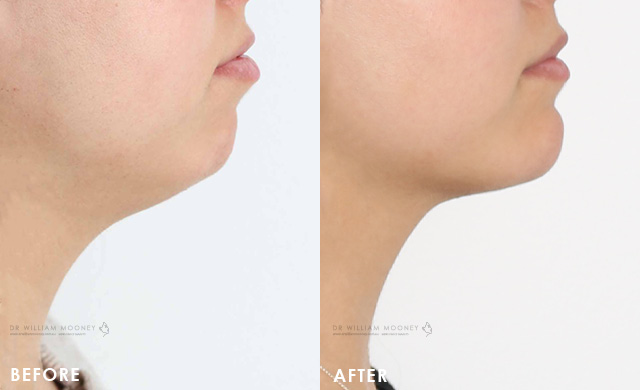
Submental Liposculpture
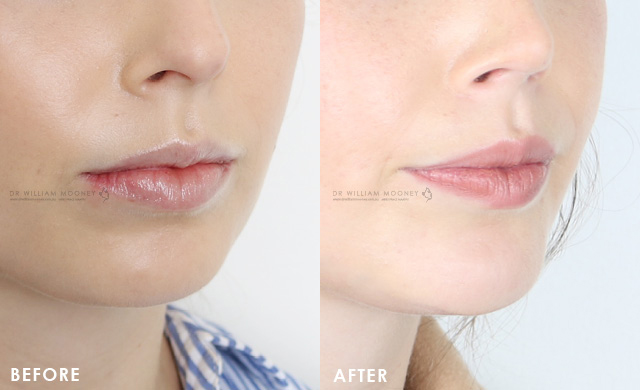
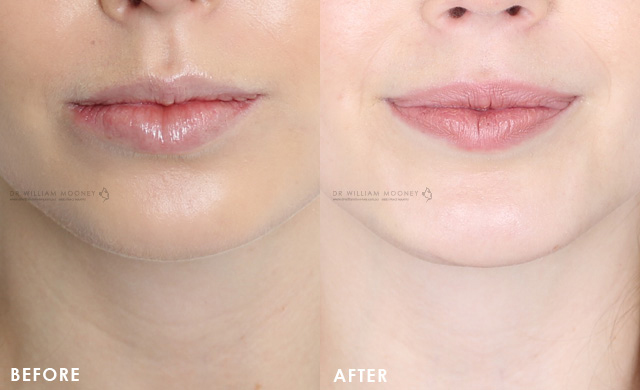
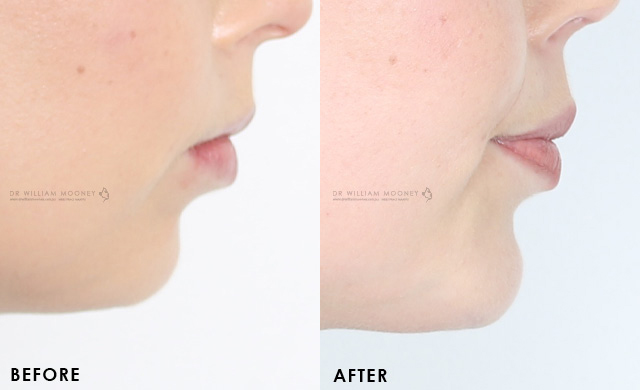
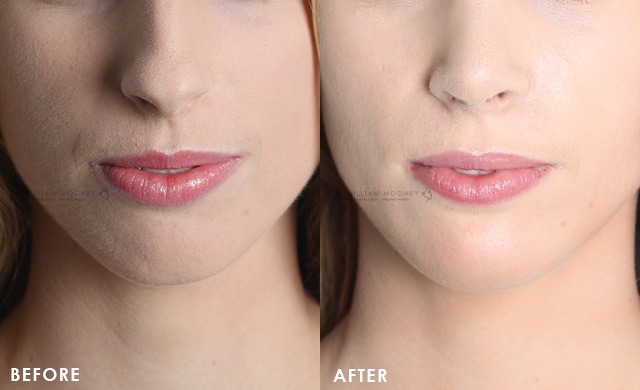
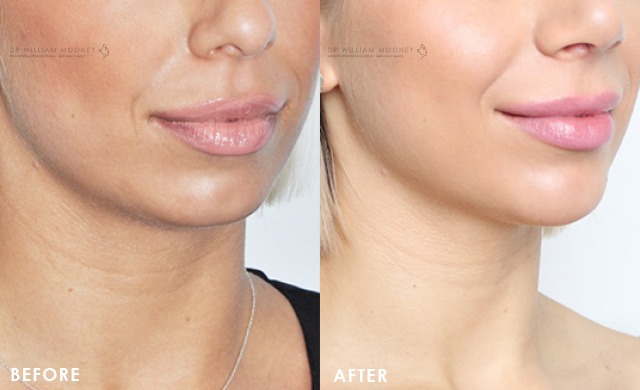
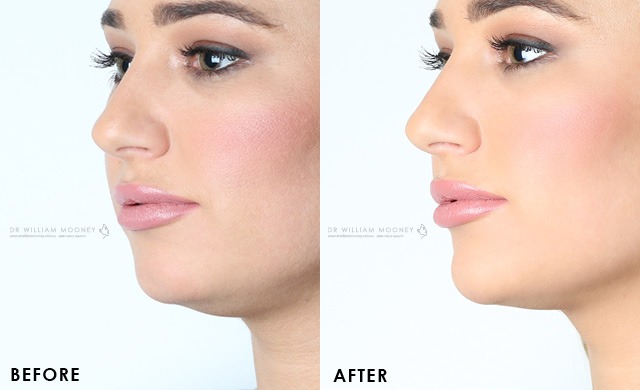
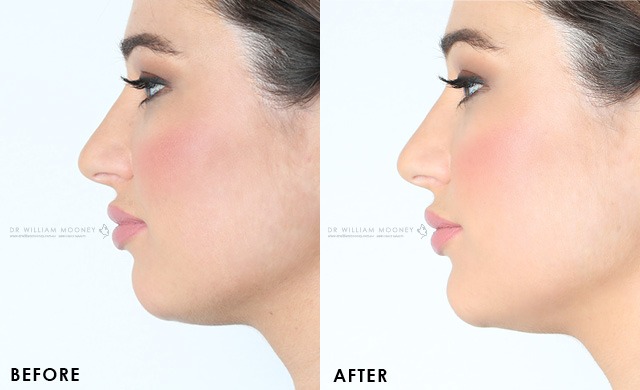
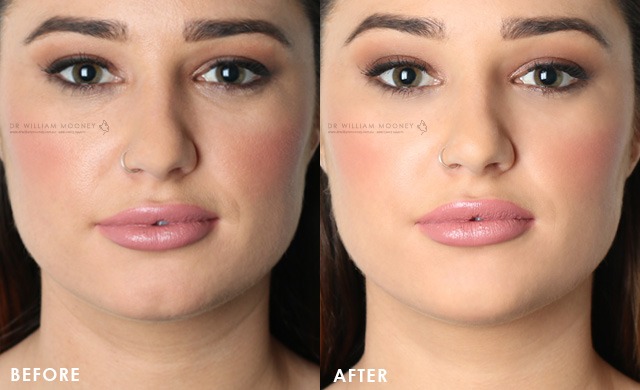
This patient did not like her chin contour. She felt her chin was under projected and did not like the fatty deposit beneath her chin, which reduced its definition. She was treated with a medium silastic chin implant using an external approach, combined with submental liposculpture. Images were taken three months post operatively.
This patient felt her nose was over projected with a dorsal hump. She felt she had significant ptosis of her upper eyelids and also a deposit of fat beneath her chin. She was treated with open structure septo rhinoplasty, including dorsal hump reduction and a diamond tip technique, upper blepharoplasty, and submental liposculpture. Images were taken five months post operatively.
Submental Liposculpture
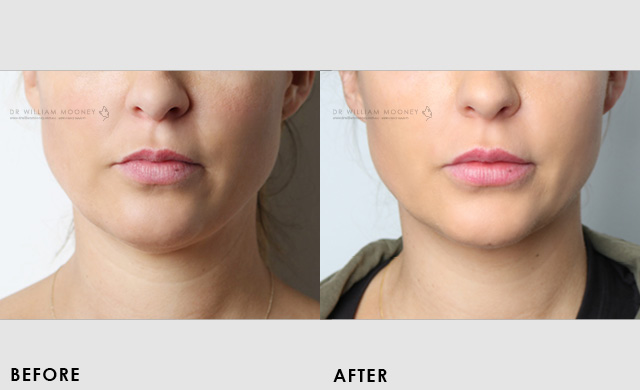
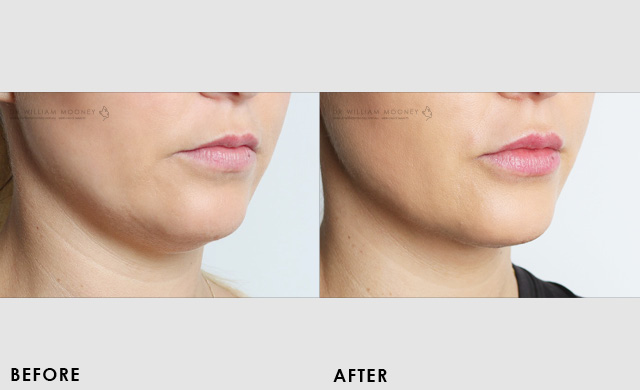
This patient, although generally slim, had a fatty deposit beneath her chin that she found displeasing. She was treated with submental liposculpture. Images were taken two months post-operatively.
Thread Lifts
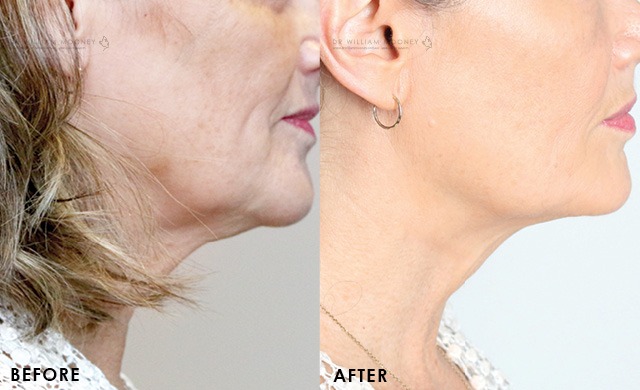
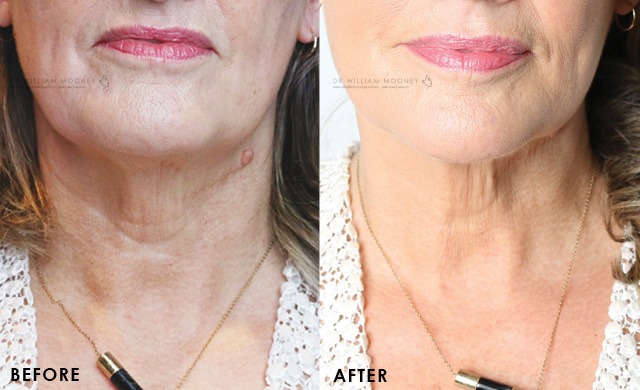
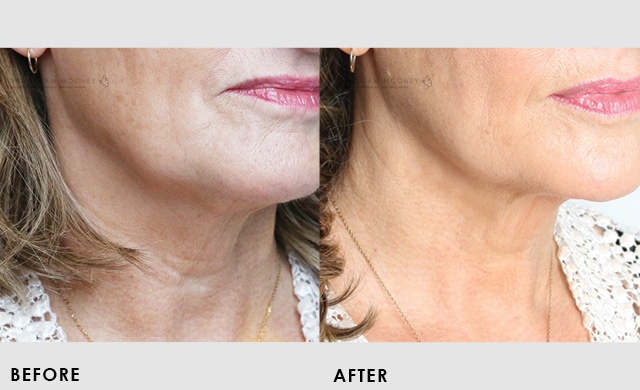
This patient was concerned about her jowls and the loss of a defined mandibular contour. She was treated with six silhouette thread lifts bilaterally. Images were taken six weeks post operatively.
We always see our patients at least twice before surgery and observe an appropriate cooling-off period. Surgery time can vary but generally takes two to three hours. Recovery time varies between patients; however, we suggest planning for two weeks away from work.
It is important to understand that results vary between patients, and any surgical procedure carries risks and the potential for complications. Factors such as genetics, diet, and exercise may influence outcomes. General surgical risks include pain, bleeding, infection, and anaesthetic risks. All surgery carries the potential for serious adverse outcomes. Specific risks include not achieving the desired functional or cosmetic outcome and issues with scarring. The possibility of revision surgery should always be considered. As an example, in an audit of surgical outcomes for rhinoplasty over ten years, Dr Mooney performed revision surgery on 5% of first-time rhinoplasty patients and up to 20% of revision rhinoplasty patients. Patients are encouraged to have realistic outcome expectations. Dr Mooney and his team discuss these and other specific risks in detail at consultation. We are happy to address any related matters and will only proceed with surgery when we are satisfied that you are fully informed.
Individual results, healing, recovery, and risks vary. Before and after images on our page are not a guarantee that your results will be the same as or similar to those of any other individual.
All surgical procedures on this page are performed by Dr Mooney, a fully qualified ENT specialist (AHPRA MED 0001145166, ENT Head and Neck Surgery), Fellow of The Australian Academy of Facial Plastic Surgeons, and member of The Australasian Rhinological Society, with the written consent of our patients. All photographs are taken between three and six months post-operatively, are posted with the written consent of patients, and have not been altered in any way. Operative surgical technique and detail of each case can be provided upon request.
Before proceeding, please seek medical advice and a second opinion from an appropriately qualified medical practitioner.
The content on this page is general in nature and does not constitute medical advice.
Any surgical or invasive procedure carries risks. Before proceeding, you should seek a second opinion from an appropriately qualified health practitioner. For more detailed information about potential risks, recovery and post operative care, please visit rhinoplastysydney.com.au/disclaimer/