
Thread Lift
WHAT ARE THREAD LIFTS?
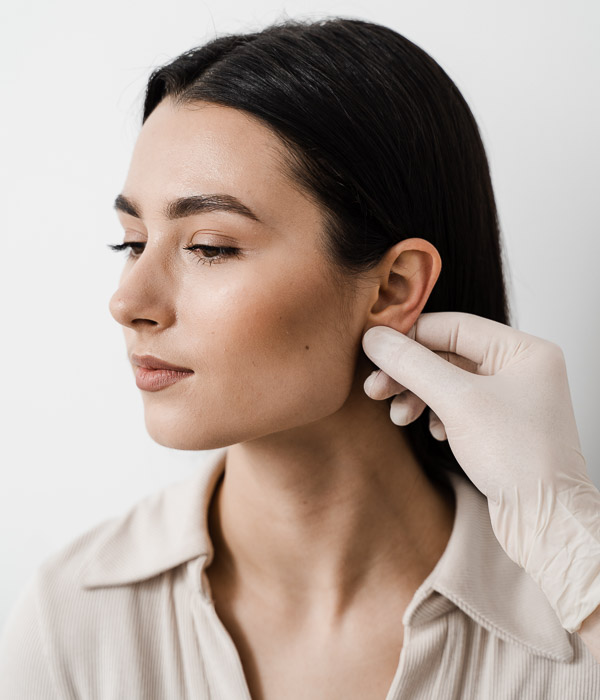
A thread lift is a minimally invasive procedure that may be used to support and reposition facial soft tissues. It is sometimes referred to as a non-surgical facial lifting technique and may be used to address areas such as the brows, cheeks, jawline, neck, and folds around the mouth and nose.
Thread lifts may be suitable for individuals with mild to moderate skin laxity, particularly in the mid to lower face. They are not designed to treat significant skin excess or advanced facial sagging. Suitability depends on individual anatomy, age, and skin quality and requires clinical assessment.
This procedure may be considered by men and women who are beginning to notice early signs of facial ageing. In some cases, it may be combined with other non-surgical treatments where clinically appropriate.
THE PROCEDURE
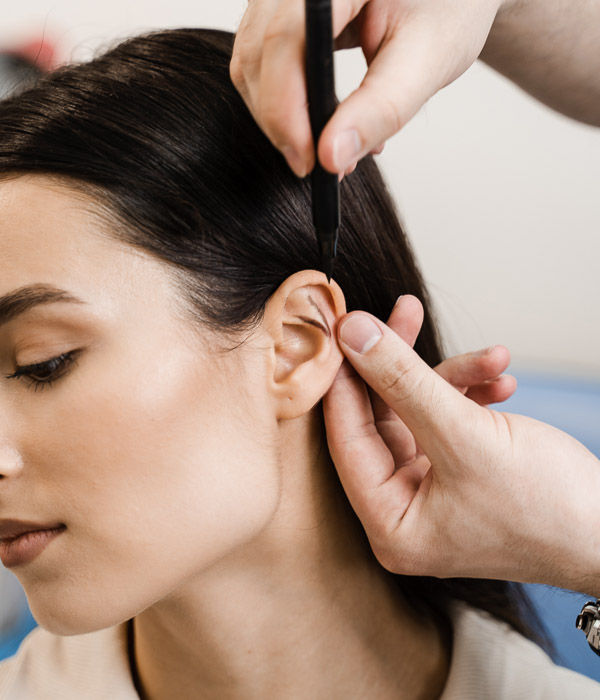
A thread lift involves the placement of fine medical threads beneath the skin using a needle or cannula. The threads are inserted through small entry points and positioned in a planned pattern to provide support to the underlying soft tissues. Once placed, the threads may be gently adjusted to achieve the intended level of tissue support.
The procedure is minimally invasive and does not usually require sutures. Over time, the body’s natural healing response may contribute to tissue stabilisation around the threads. There are typically no large incisions, and visible scarring is uncommon.
The degree of change varies between individuals and depends on factors such as skin quality, age, and facial anatomy. A thorough consultation is required to determine suitability and discuss expected outcomes and risks.
BEFORE & AFTER
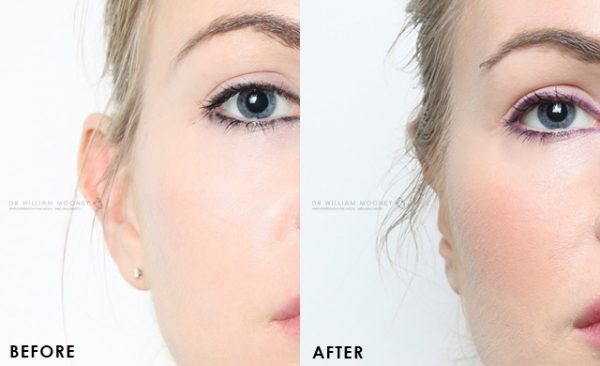
Post-procedure images are typically taken between 3 to 12 months following treatment.
Individual results vary and these photographs are provided for illustrative purposes only. They do not represent or guarantee that similar outcomes can be achieved. Factors such as individual anatomy, healing response, genetics, and lifestyle may influence results.
Please refer to our Disclaimer for further information.
Recovery
Recovery
Recovery times can vary between individuals. Generally:
Mild swelling, bruising, or tenderness may occur at the treatment sites
Small entry points usually heal without sutures
Tightness or pulling sensations may be felt temporarily
Most patients return to normal daily activities within a few days
Strenuous exercise may be limited for one to two weeks
- Final tissue settling may take several weeks.
Following post-operative instructions carefully is essential for optimal healing.
Risks
As with any surgical procedure, otoplasty carries potential risks. These may include, but are not limited to:
- Infection
- Pain or discomfort
- Bruising or swelling
- Thread visibility or palpability
- Thread migration or breakage
- Temporary changes in skin sensation
Your surgeon will discuss all relevant risks in detail during your consultation.


Important Information
Before proceeding with surgery, patients are encouraged to seek a second opinion from an appropriately qualified health practitioner if desired.
To arrange a consultation, please contact our Patient Coordinator or submit an enquiry via our online form.
For more information on risks and recovery please click here