
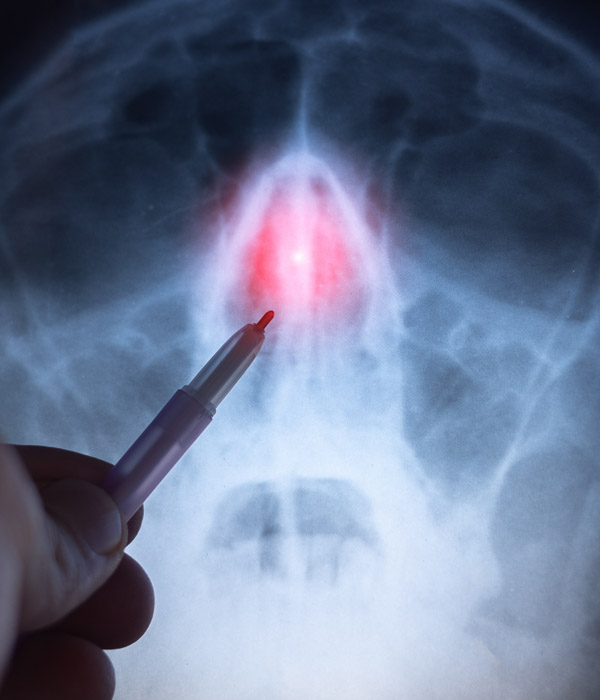



SEPTOPLASTY AND SINUS SURGERY
what is SEPTOPLASTY AND SINUS SURGERY
Septum and sinus surgery may be considered for people with nasal obstruction, recurrent sinus symptoms, or structural issues affecting the nasal airway.
The septum is the wall between the nostrils and is made of cartilage and bone. In some people, the septum may be deviated, meaning it is bent or off centre. This may be present from birth or may occur after trauma. A significant deviation can contribute to nasal blockage, breathing difficulty, snoring, disturbed sleep, or worsening nasal and sinus symptoms.
Sinusitis can involve inflammation or infection of the sinus passages. Symptoms may include nasal congestion, facial pressure, headache, post-nasal drip, reduce sense of smell, or recurrent infections. In some cases, symptoms may become chronic or may not respond adequately to non-surgical treatment.
A consultation and assessment are required to determine the cause of symptoms and whether surgery is appropriate. This may involve examination of the nose and sinuses, discussion of medical history, and review of any relevant imaging.
about the procedure
Septum and sinus surgery are usually performed through the nostrils, meaning there is typically no external incision. The exact procedure depends on the individual’s anatomy, symptoms, examination findings, and imaging results.
Septoplasty may be performed to straighten or reposition the deviated parts of the septum to improve the nasal airway. Functional Endoscopic Sinus Surgery, also known as FESS, may be performed to open the sinus drainage pathways and improve ventilation and drainage of the sinuses.
In some cases, turbinate reduction may also be considered where enlarged turbinates contribute to nasal blockage. Septum or sinus surgery may occasionally be combined with other procedures, depending on the patient’s needs and the surgeon’s assessment.
Your surgeon will explain the proposed procedure, the expected recovery, the potential risks, and any alternative treatment options during consultation.”
who is suitable?
Septum or sinus surgery may be considered for people with persistent nasal or sinus symptoms that have not improved adequately with appropriate non-surgical management.
A person may consider assessment for surgery if they experience:
- Ongoing nasal obstruction or difficulty breathing through the nose
- A deviated septum contributing to airway restriction
- Recurrent or chronic sinusitis
- Facial pressure, congestion, or sinus-related headaches
- Nasal polyps or sinus drainage issues
- Symptoms that affect sleep, exercise, work, or daily activities
- Structural nasal concerns following previous trauma
- Sinus symptoms that have been investigated and may require surgical management
Surgery is not suitable for everyone. Some nasal and sinus symptoms may be managed with medications, allergy treatment, nasal sprays, sinus rinses, or other non-surgical options. A consultation with an appropriately qualified health practitioner is required to assess your individual circumstances and discuss suitable options.
RECOVERY
Recovery varies between individuals and depends on the type and extent of surgery performed. In general:
- Some patients may stay in hospital for observation, depending on the procedure and individual circumstances
- Nasal packing, splints, or dressings may be used in some cases
- Congestion, mild bleeding, crusting, or a blocked-nose sensation can occur in the early recovery period
- Time away from work, study, or normal activities may be required
- Strenuous activity should be avoided for the period advised by your surgeon
- Saline rinses or other post-operative care may be recommended
- Follow up appointments are important to monitor healing and clear crusting or debris if required
Some improvement in nasal airflow may be noticed as swelling settles, although the timing varies between patients. Ongoing care may be required for chronic sinus or allergy-related conditions.
RISKS
As with any surgical procedure, septum and sinus surgery carries potential risks. These may include, but are not limited to:
- Infection
- Bleeding or haematoma
- Nasal crusting or dryness
- Temporary congestion or blockage
- Changes in smell or taste
- Septal perforation
- Adhesions or scar tissue inside the nose
- Ongoing or recurrent sinus symptoms
- Need for further treatment or revision surgery
- Eye related complications, which are uncommon but may be serious
- Cerebrospinal fluid leak, which is rare but serious
- Adverse reaction to anaesthesia
Your surgeon will discuss the risks that are relevant to your individual condition and proposed procedure.
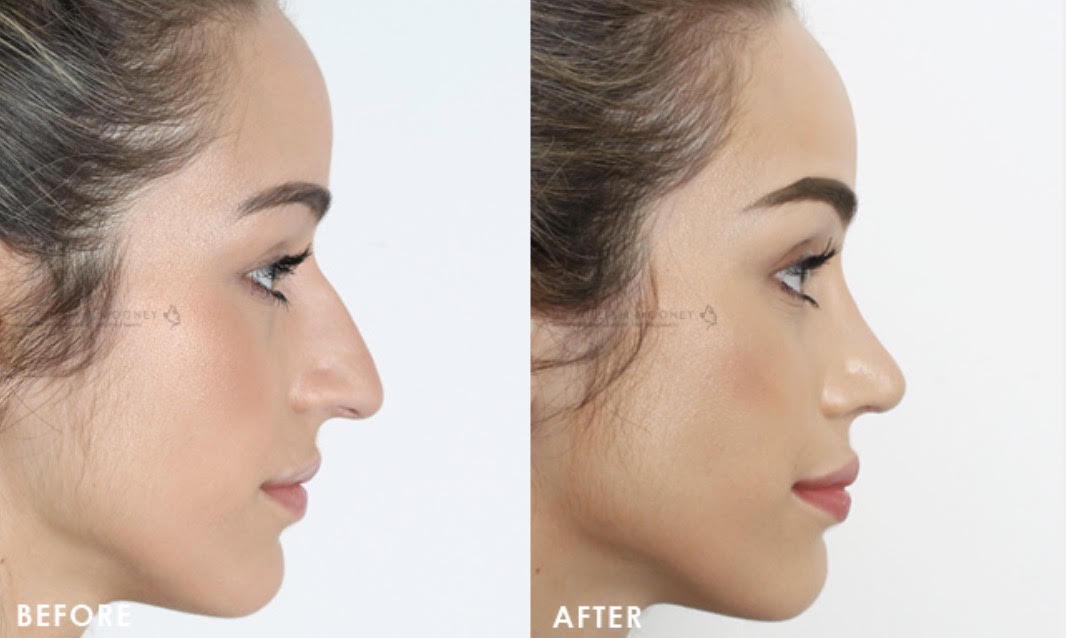
BEFORE & AFTER
IMPORTANT INFORMATION

Individual Assessment
Every patient requires a personalised consultation to determine appropriate treatment planning.
Any surgical or invasive procedure carries risks. Before proceeding, you should seek a second opinion from an appropriately qualified health practitioner.
For more detailed information about potential risks, recovery and post operative care, please visit rhinoplastysydney.com.au/disclaimer/