

Septoplasty and Sinus Surgery
WHAT IS SINUS SURGERY?
Sinus surgery involves procedures aimed at improving sinus drainage and nasal airflow in people with ongoing nasal or sinus symptoms. A contributing factor may be a deviated nasal septum, the cartilage and bone dividing the nostrils. Septal deviation may be present from birth or occur following trauma and can restrict breathing when significant.
Nasal obstruction may be associated with symptoms such as snoring, disturbed sleep, and worsening of allergic rhinitis or recurrent upper respiratory infections.
Sinus disease can present as intermittent infections with facial pressure or headache, or as chronic sinusitis with persistent congestion and discharge. In more severe cases, complications may affect nearby structures such as the eyes or, rarely, the brain.
Surgery may be considered after assessment when symptoms persist despite medical treatment.
The Procedure
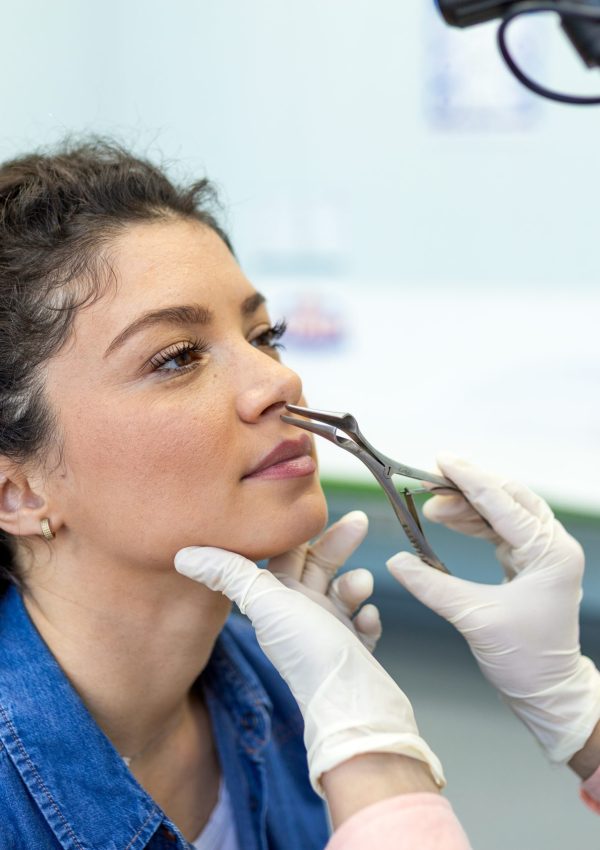
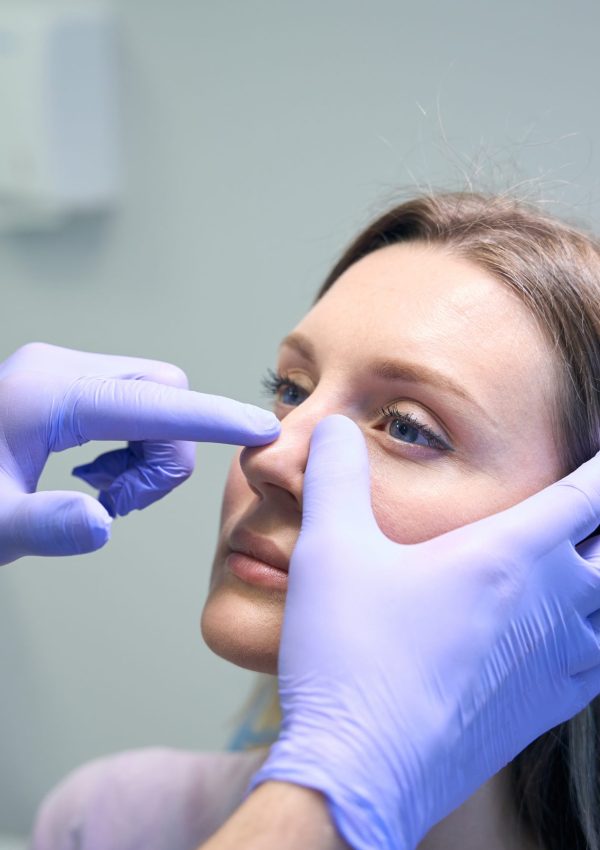
Sinus and nasal surgery encompasses a range of techniques used to address structural and inflammatory causes of nasal obstruction and sinus disease. While surgical techniques have advanced over time, all procedures carry potential risks and complications, which will be discussed during consultation.
Septal and sinus surgery is commonly performed through the nostrils, avoiding external incisions. This may include straightening of the nasal septum (septoplasty) and improving sinus drainage pathways using endoscopic techniques, such as functional endoscopic sinus surgery (FESS).
In some cases, reduction of enlarged turbinates may be performed to improve nasal airflow. Depending on individual assessment, sinus surgery may occasionally be combined with other procedures, such as rhinoplasty or surgery for snoring-related conditions.
The specific surgical approach is determined following comprehensive clinical evaluation and discussion of treatment options.
BEFORE & AFTER
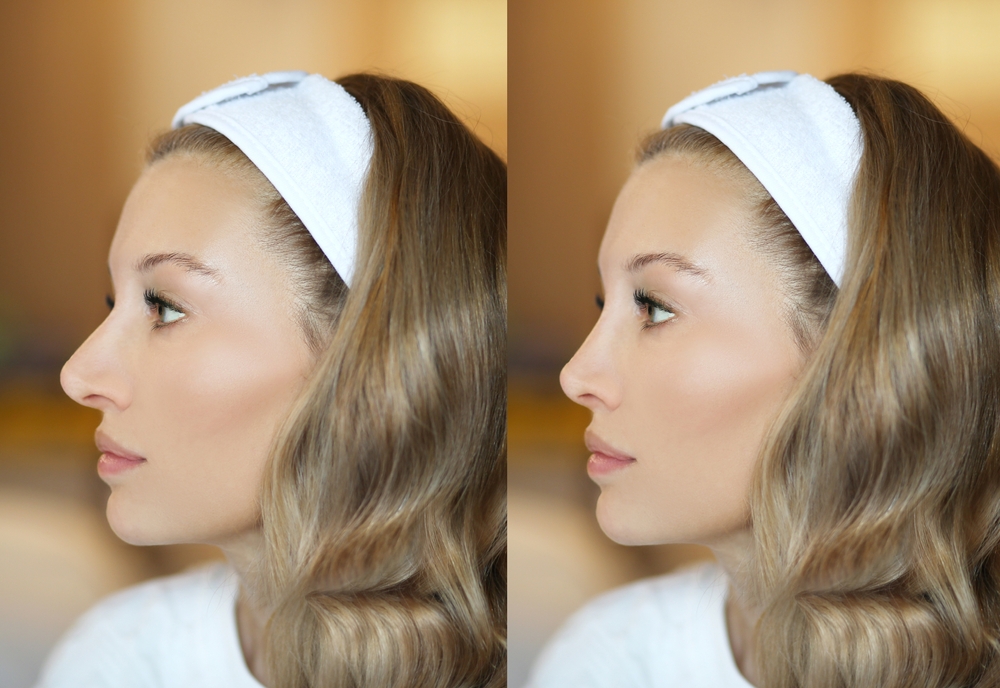
Post-procedure images are typically taken between 3 to 12 months following treatment.
Individual results vary and these photographs are provided for illustrative purposes only. They do not represent or guarantee that similar outcomes can be achieved. Factors such as individual anatomy, healing response, genetics, and lifestyle may influence results.
Please refer to our Disclaimer for further information.
Recovery
Recovery
Recovery times can vary between individuals. Generally:
Nasal packing or internal splints may be placed temporarily after surgery
Nasal congestion, mild bleeding, and discomfort are common in the early post-operative period
Swelling inside the nose may persist for several weeks
Most patients return to usual daily activities within one to two weeks
Strenuous exercise is typically avoided for several weeks
- Ongoing healing of the nasal and sinus tissues may take several months
Following post-operative instructions carefully is essential for optimal healing.
Initial Healing (Week 1–2)
0%
Reduced Swelling (Weeks 3–4)
0%
Ongoing Healing (Weeks 6–8)
0%
Final Healing (Several Months)
0%
0
WEEK 1-20
WEEK 3-40
WEEK 6-80
MONTHSRisks
As with any surgical procedure, otoplasty carries potential risks. These may include, but are not limited to:
- Infection
- Bleeding or haematoma
- Scarring
- Changes in skin sensation
- Asymmetry
- Recurrence of ear prominence
- Adverse reaction to anaesthesia
Your surgeon will discuss all relevant risks in detail during your consultation.




Important Information
Before proceeding with surgery, patients are encouraged to seek a second opinion from an appropriately qualified health practitioner if desired.
To arrange a consultation, please contact our Patient Coordinator or submit an enquiry via our online form.
For more information on risks and recovery please click here