

Head & Neck Cancer Surgery
What Is Head & Neck Cancer Surgery?
Head and neck cancer describes a group of cancers that may develop in areas such as the mouth, throat, voice box (larynx), salivary glands, thyroid, nasal cavity, or sinuses. While recognised risk factors include smoking and excessive sun exposure, these cancers can also occur in people without identifiable risks.
Management often involves surgical removal of cancerous tissue and, where required, surrounding structures. The surgical approach depends on tumour type, location, stage, and the individual’s overall health. Care is commonly coordinated through a multidisciplinary team and may include additional treatments such as radiotherapy or chemotherapy.
Symptoms can vary and may include a persistent neck lump, voice changes, difficulty swallowing, nasal obstruction, or unexplained bleeding. Persistent or progressive symptoms should be medically assessed. A comprehensive evaluation is required to guide appropriate investigation and treatment planning.
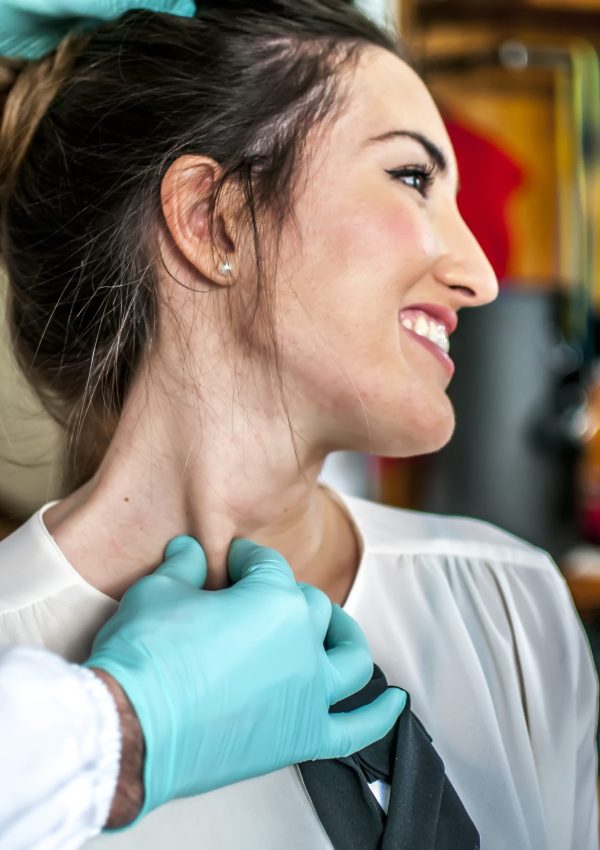

The Procedure
Head and neck cancer surgery is performed in a hospital setting under general anaesthesia. The specific procedure depends on the tumour location, size, stage, and the individual’s overall health.
Surgery aims to remove the cancer with an appropriate margin of surrounding tissue. In some cases, lymph nodes in the neck may also be removed to assess or manage potential spread of disease. Where surgery affects appearance or function, reconstructive techniques may be required to support healing and restore structure.
Care is commonly coordinated through a multidisciplinary team, which may include surgeons, oncologists, and allied health professionals. Additional treatments such as radiotherapy or chemotherapy may be recommended based on pathology findings.
A comprehensive consultation is required to review investigations, discuss treatment options, benefits, limitations, and potential risks. All surgical procedures carry risks, and patients are encouraged to seek a second opinion before proceeding.
Recovery
Recovery
Recovery times can vary between individuals. Generally:
Swelling, discomfort, and temporary changes in speech or swallowing may occur
Nutritional support and speech or swallowing therapy may be recommended
Wound care and regular follow up appointments are required
Gradual return to normal activities occurs over weeks to months
Return to usual daily activities may take several weeks, depending on the extent of surgery
- Recovery may be influenced by the need for radiotherapy or chemotherapy
Following post-operative instructions carefully is essential for optimal healing.
Initial Healing (Week 1–2)
0%
Reduced Swelling (Weeks 3–4)
0%
Ongoing Healing (Weeks 6–8)
0%
Final Healing (Several Months)
0%
0
WEEK 1-20
WEEK 3-40
WEEK 6-80
MONTHSRisks
As with any surgical procedure, otoplasty carries potential risks. These may include, but are not limited to:
- Infection
- Bleeding or haematoma
- Changes to speech, swallowing, or breathing
- Nerve injury affecting movement or sensation
- Need for further surgery or additional treatment
- Risks related to general anaesthesia
Your surgeon will discuss all relevant risks in detail during your consultation.




Important Information
Before proceeding with surgery, patients are encouraged to seek a second opinion from an appropriately qualified health practitioner if desired.
To arrange a consultation, please contact our Patient Coordinator or submit an enquiry via our online form.
For more information on risks and recovery please click here