
Facial non-surgical treatments
FACIAL AGEING AND NON-SURGICAL OPTIONS
As we age, gradual changes occur in the face due to reduced collagen production and loss of volume in the skin, fat, muscle, and underlying bone. These changes can reduce facial support and contribute to skin laxity. Skin quality may also be affected by genetics, lifestyle factors, sun exposure, and smoking. A reduction in collagen and elastin can further decrease skin elasticity over time.
Initial management may include lifestyle measures such as adequate sleep, balanced nutrition, regular exercise, sun protection, and avoidance of smoking and excess alcohol. Evidence-based skin care may also be recommended. In selected individuals, non-surgical treatments such as injectable fillers may be considered to address volume loss or soft tissue changes. Suitability requires careful assessment by an appropriately qualified health practitioner, and treatment outcomes vary between individuals.
Who Is Suitable for Otoplasty?
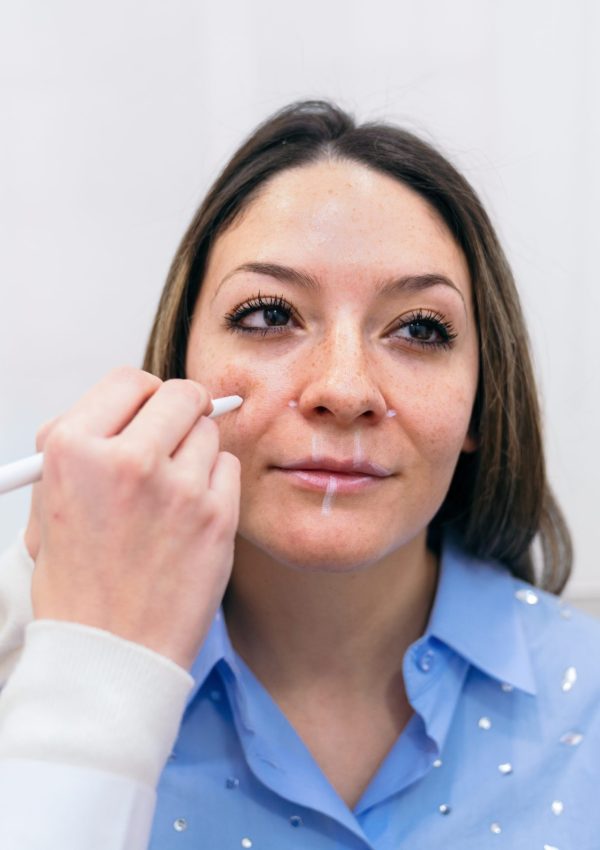
Following a comprehensive consultation, treatment may be performed by Dr Mooney or an appropriately qualified and trained cosmetic nurse. The consultation includes discussion of patient concerns and expectations, relevant medical history, and a clinical assessment to determine suitability. An individualised treatment plan is then developed.
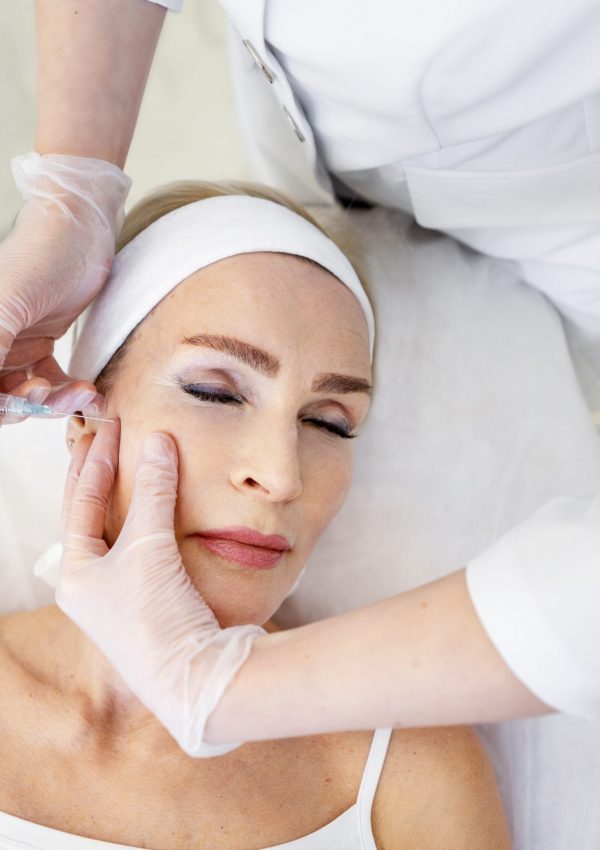
Where appropriate, temporary injectable fillers such as hyaluronic acid may be used. Hyaluronic acid is a substance that occurs naturally in the body. Some products contain a local anaesthetic component to help reduce discomfort, and additional local anaesthetic may be used if required.
A thorough informed consent process is undertaken prior to treatment, including discussion of potential risks, limitations, and alternative options. Cooling off periods are observed where appropriate, and treatments are planned conservatively with patient safety as the primary consideration.
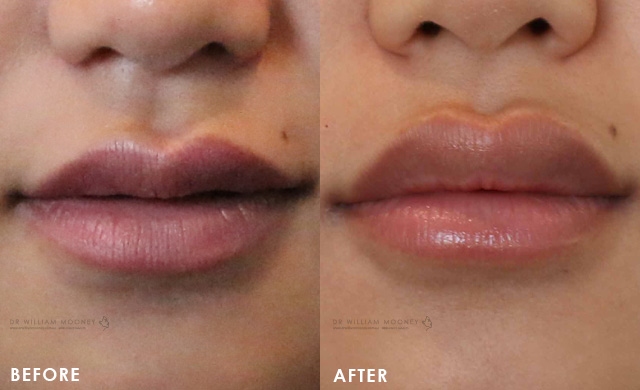
BEFORE & AFTER
Post-procedure images are typically taken between 3 to 12 months following treatment.
Individual results vary and these photographs are provided for illustrative purposes only. They do not represent or guarantee that similar outcomes can be achieved. Factors such as individual anatomy, healing response, genetics, and lifestyle may influence results.
Please refer to our Disclaimer for further information.
Recovery
Recovery
Recovery times can vary between individuals. Generally:
Mild swelling, redness, or tenderness at injection sites is common
Bruising may occur and typically resolves within a few days
Discomfort is usually mild and short lived
Most patients return to normal daily activities within 24–48 hours
Strenuous exercise, alcohol, heat exposure, and facial massage should be avoided for 24–48 hours
- Final results may take several days to fully settle
Following post-operative instructions carefully is essential for optimal healing.
Initial Healing (Week 1–2)
0%
Reduced Swelling (Weeks 3–4)
0%
Ongoing Healing (Weeks 6–8)
0%
Final Healing (Several Months)
0%
0
WEEK 1-20
WEEK 3-40
WEEK 6-80
MONTHSRisks
As with any surgical procedure, otoplasty carries potential risks. These may include, but are not limited to:
- Bruising or swelling
- Pain or tenderness
- Scarring
- Asymmetry or uneven results
- Allergic or inflammatory reactions
- Rare but serious vascular complications
Your surgeon will discuss all relevant risks in detail during your consultation.




Important Information
Before proceeding with surgery, patients are encouraged to seek a second opinion from an appropriately qualified health practitioner if desired.
To arrange a consultation, please contact our Patient Coordinator or submit an enquiry via our online form.
For more information on risks and recovery please click here