

Ear Surgery
What Is Ear Surgery?
Ear surgery involves procedures used to diagnose and manage conditions affecting the outer, middle, or inner ear. It may be recommended for certain types of hearing loss, persistent ear infections, unhealed perforated eardrums, congenital ear differences, or tumours. The aim of surgery varies depending on the condition and may include improving hearing, reducing infection, or correcting structural abnormalities.
Precautions and suitability for ear surgery depend on individual factors such as overall health, the presence of infection, hearing in the opposite ear, occupation, and lifestyle expectations.
As an Ear, Nose and Throat specialist, Dr Mooney works with licensed audiologists who provide comprehensive hearing assessments, advanced diagnostic testing, and non-surgical hearing solutions when appropriate.
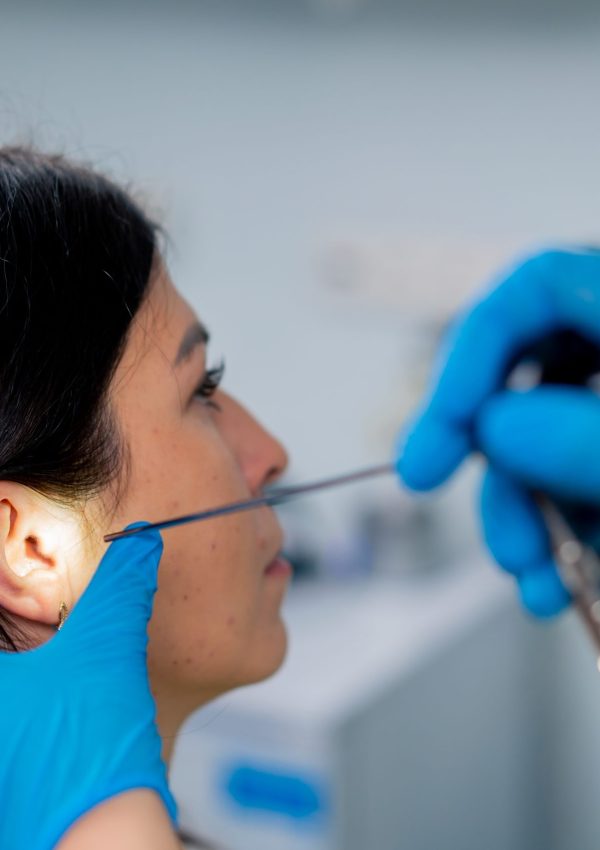
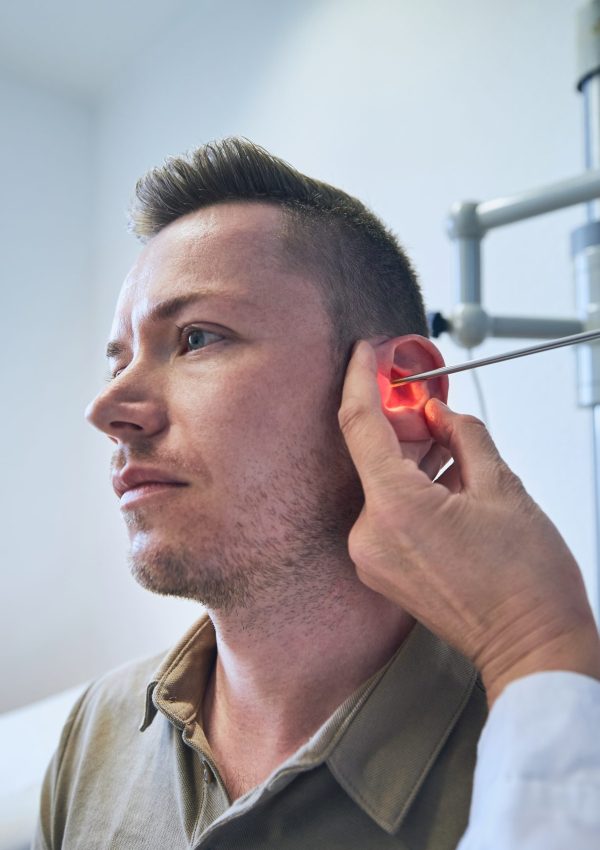
The Surgical Procedure
Most ear surgery is performed using microsurgical techniques with an operating microscope, allowing precise visualisation of the ear’s delicate structures. In some cases, minimally invasive laser techniques may be used for middle ear procedures, which can reduce tissue trauma and improve surgical accuracy. Procedures may be performed in a hospital or suitably equipped clinical setting, depending on the surgery and patient factors.
Ear surgery includes procedures such as tympanoplasty (repair of a perforated eardrum), myringotomy and ear tube insertion to treat persistent middle ear fluid or infections, stapedectomy, cochlear implantation, and removal of tumours or abnormal growths. The choice of procedure, anaesthesia (local or general), and setting depends on the condition being treated, patient age, and overall health. Most procedures are day surgery, though some require a short hospital stay
BEFORE & AFTER
Post-procedure images are typically taken between 3 to 12 months following treatment.
Individual results vary and these photographs are provided for illustrative purposes only. They do not represent or guarantee that similar outcomes can be achieved. Factors such as individual anatomy, healing response, genetics, and lifestyle may influence results.
Please refer to our Disclaimer for further information.

Recovery
Recovery
Recovery times can vary between individuals. Generally:
A protective dressing is worn immediately after surgery
A headband may be recommended, particularly at night, for several weeks
Swelling and bruising are common in the early post-operative period
Most patients return to normal daily activities within one to two weeks
Full healing may take several months
Following post-operative instructions carefully is essential for optimal healing.
Initial Healing (Week 1–2)
0%
Reduced Swelling (Weeks 3–4)
0%
Ongoing Healing (Weeks 6–8)
0%
Final Healing (Several Months)
0%
0
WEEK 1-20
WEEK 3-40
WEEK 6-80
MONTHSRisks
As with any surgical procedure, otoplasty carries potential risks. These may include, but are not limited to:
- Infection
- Bleeding or haematoma
- Scarring
- Changes in skin sensation
- Asymmetry
- Recurrence of ear prominence
- Adverse reaction to anaesthesia
Your surgeon will discuss all relevant risks in detail during your consultation.




Important Information
Before proceeding with surgery, patients are encouraged to seek a second opinion from an appropriately qualified health practitioner if desired.
To arrange a consultation, please contact our Patient Coordinator or submit an enquiry via our online form.
For more information on risks and recovery please click here