

ADENOID & TONSIL SURGERY
WHAT IS ADENOID & TONSIL SURGERY?
Adenoidectomy and tonsillectomy are surgical procedures that may be considered in both children and adults when disease of the tonsils or adenoids causes ongoing symptoms. Conditions affecting these tissues can occur at any age and may impact breathing, sleep, or general wellbeing.
The two primary indications for surgery are recurrent infection and airway obstruction. Recurrent tonsillitis may lead to repeated episodes of throat pain, fever, and difficulty swallowing. Obstructive symptoms, more commonly seen in children, may range from snoring to obstructive sleep apnoea, where breathing is partially or temporarily interrupted during sleep.
If symptoms are persistent or progressive, initial assessment by a general practitioner is recommended, with specialist referral when appropriate.
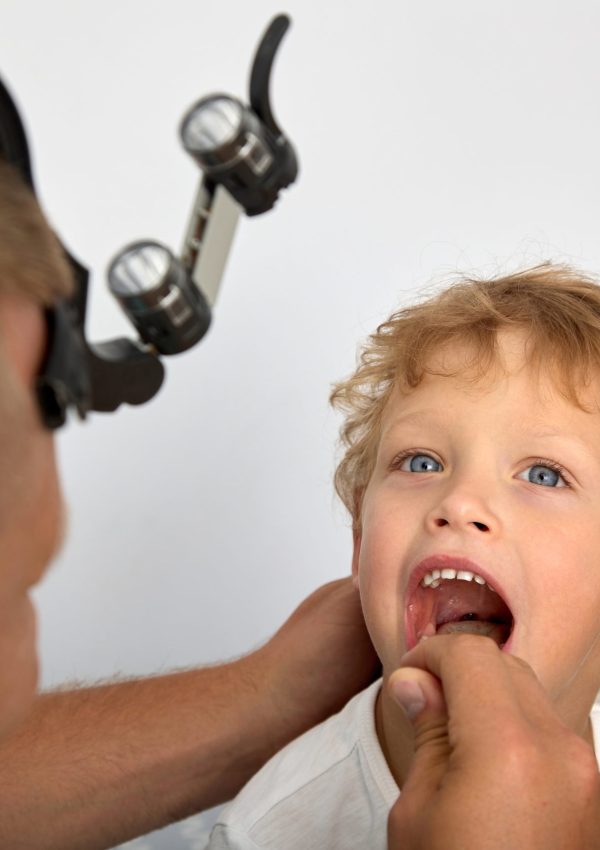
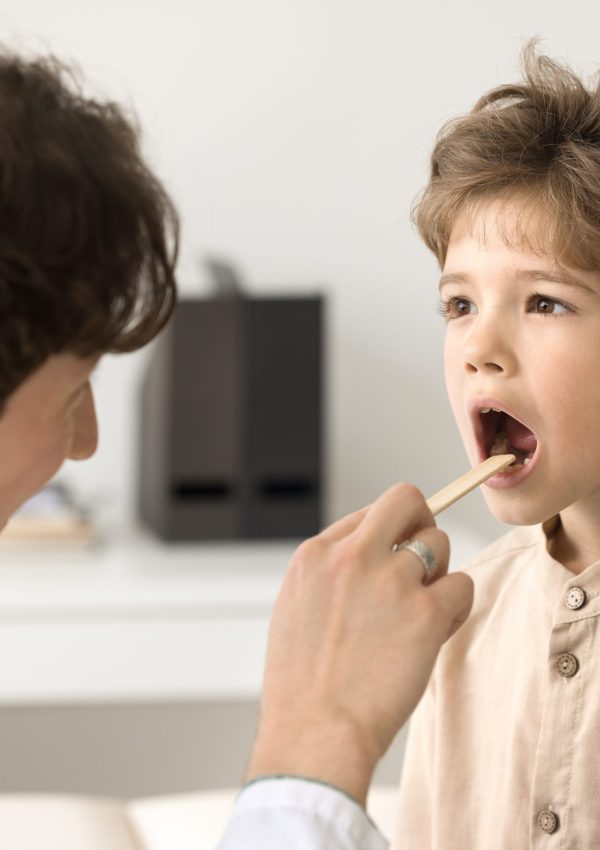
TONSILLECTOMY & ADENOIDECTOMY IN CHILDREN
Tonsillectomy and adenoidectomy are commonly performed procedures in children and may be considered when recurrent infection or airway obstruction causes ongoing symptoms. Parents often have concerns about the role of the tonsils, surgical risks, and possible long-term effects.
The most significant risk is post-operative bleeding, which occurs in a small percentage of cases, and for this reason children are usually observed in hospital overnight. Most procedures are completed without major complications.
Current evidence shows that removal of the tonsils does not impair immunity, growth, or increase infection risk. Some families report improved sleep, reduced infections, and improved daytime behaviour.
Children with frequent tonsillitis, breathing disturbance, or persistent symptoms should first be assessed by a general practitioner, with specialist review when appropriate.
Recovery
Recovery
Recovery times can vary between individuals. Generally:
A hospital stay of at least one night is recommended for observation
Throat pain is common and may last 7–14 days
Ear pain, bad breath, and reduced appetite can occur during healing
Most patients return to normal daily activities within one to two weeks
Adequate fluid intake is important to reduce dehydration risk
- Most children return to school or childcare within 10–14 days
- Full healing of the throat typically occurs within two to three weeks
Following post-operative instructions carefully is essential for optimal healing.
Initial Healing (Week 1–2)
0%
Reduced Swelling (Weeks 3–4)
0%
Ongoing Healing (Weeks 6–8)
0%
Final Healing (Several Months)
0%
0
WEEK 1-20
WEEK 3-40
WEEK 6-80
MONTHSRisks
As with any surgical procedure, otoplasty carries potential risks. These may include, but are not limited to:
- Post-operative bleeding
- Pain requiring medication
- Infection
- Pain requiring medication
- Dehydration
- Temporary voice or swallowing changes
- Adverse reaction to anaesthesia
Your surgeon will discuss all relevant risks, benefits, and alternative treatment options during consultation.




Important Information
Before proceeding with surgery, patients are encouraged to seek a second opinion from an appropriately qualified health practitioner if desired.
To arrange a consultation, please contact our Patient Coordinator or submit an enquiry via our online form.
For more information on risks and recovery please click here