

EYELID SURGERY
Blepharoplasty
The eyes are often a defining feature of the face. Over time, the position and appearance of the eyelids can change due to ageing and individual factors. Blepharoplasty is a surgical procedure that may be performed to address concerns relating to the appearance and, in some cases, the function of the eyelids. It is undertaken by both women and men following appropriate clinical assessment. The procedure may involve the removal or repositioning of excess skin and fat, and occasionally muscle, depending on individual anatomy and treatment goals.
What Is Eyelid Surgery?
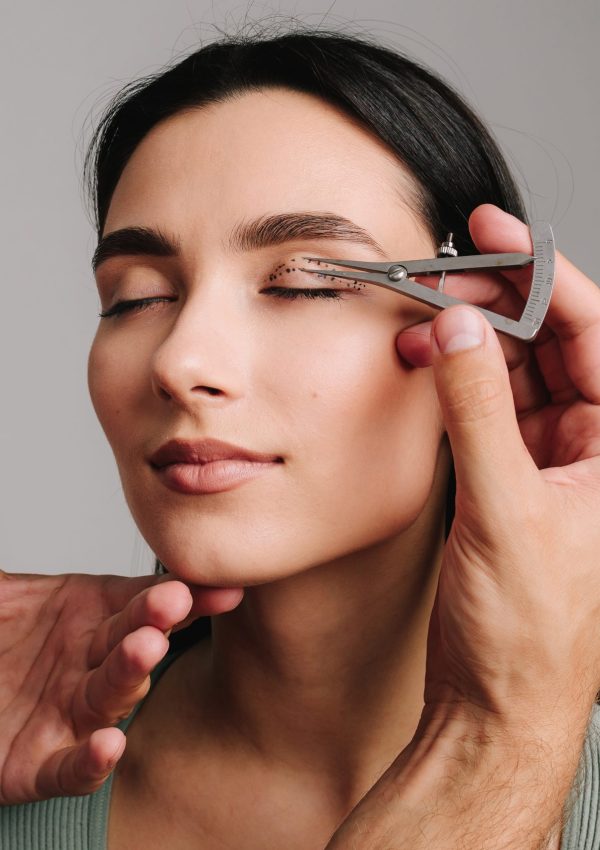
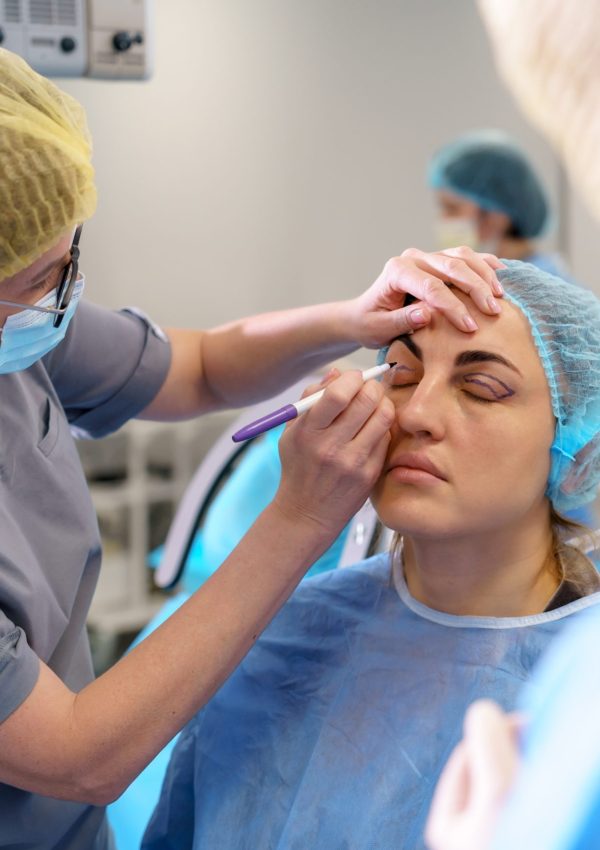
Eyelid surgery, also known as blepharoplasty, is a procedure that may be considered to address selected functional and/or aesthetic concerns of the upper and/or lower eyelids. Depending on individual anatomy and assessment, it may be used to manage upper eyelid hooding or drooping, or lower eyelid fullness commonly referred to as eye bags.
Changes in eyelid appearance often occur with ageing, although some individuals naturally have heavier eyelids from an early age. In certain cases, significant upper eyelid drooping may interfere with vision. Where functional concerns are identified, blepharoplasty may be discussed as part of a broader clinical assessment, and referral to an ophthalmologist may be recommended.
Suitability is determined following a comprehensive consultation, including review of medical history, discussion of expectations, alternatives, limitations, and potential risks. All surgical procedures carry risks, and patients are encouraged to seek a second opinion before proceeding.
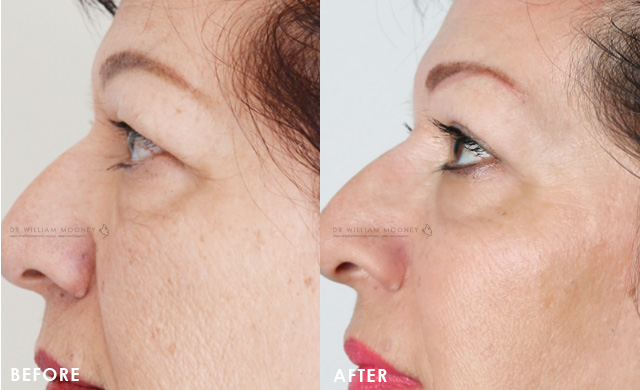
BEFORE & AFTER
Post-procedure images are typically taken between 3 to 12 months following treatment.
Individual results vary and these photographs are provided for illustrative purposes only. They do not represent or guarantee that similar outcomes can be achieved. Factors such as individual anatomy, healing response, genetics, and lifestyle may influence results.
Please refer to our Disclaimer for further information.
Recovery
Recovery
Recovery times can vary between individuals. Generally:
Swelling and bruising around the eyes are common in the early post-operative period
Mild discomfort or tightness may occur and is usually manageable with prescribed medication
Cold compresses may be recommended to reduce swelling
Sutures are typically removed within one week if non-dissolving
Most patients resume normal daily activities within 7–14 days
- Final results may take several weeks to months to fully settle
Following post-operative instructions carefully is essential for optimal healing.
Initial Healing (Week 1–2)
0%
Reduced Swelling (Weeks 3–4)
0%
Ongoing Healing (Weeks 6–8)
0%
Final Healing (Several Months)
0%
0
WEEK 1-20
WEEK 3-40
WEEK 6-80
MONTHSRisks
As with any surgical procedure, otoplasty carries potential risks. These may include, but are not limited to:
- Infection
- Bleeding or haematoma
- Scarring
- Dry or irritated eyes
- Temporary changes in eyelid sensation
- Asymmetry or unsatisfactory cosmetic outcome
- Rarely, changes in vision
Your surgeon will discuss all relevant risks in detail during your consultation.




Important Information
Before proceeding with surgery, patients are encouraged to seek a second opinion from an appropriately qualified health practitioner if desired.
To arrange a consultation, please contact our Patient Coordinator or submit an enquiry via our online form.
For more information on risks and recovery please click here